The Paralyzing Fear of Making the Wrong Choice
Are you tired of opening your massive summer electric bill and feeling sick to your stomach? I felt exactly that way last July, which finally pushed me to look into solar panels. But trying to get a straight answer online felt like fighting through a jungle of pushy salesmen and confusing tech jargon. Let me save you the headache and show you the exact, stress-free steps I used to cut my power bill down to zero without getting scammed.
You type a quick question into Google about home solar panels. Instantly, you are hit with a massive wall of confusing engineering terms.
Suddenly, sales representatives are calling your phone, talking aggressively about micro-inverters, peak sun hours, and tax codes. Instead of feeling excited about clean energy, you just feel completely exhausted.
I still remember opening my summer electric bill and feeling my stomach completely drop. I immediately called the first solar company I found online, but the salesman confused me so much with heavy engineering words that I just gave up for a whole year. I felt totally stuck, and I realized I needed to figure out a simple, scam-free way to do this on my own.
You worry about getting scammed by a dishonest contractor. You stress over whether the heavy panels will damage your roof or if you will end up paying more for electricity than you did before.
This anxiety is completely normal. The renewable energy industry has a bad habit of overcomplicating things for everyday families.
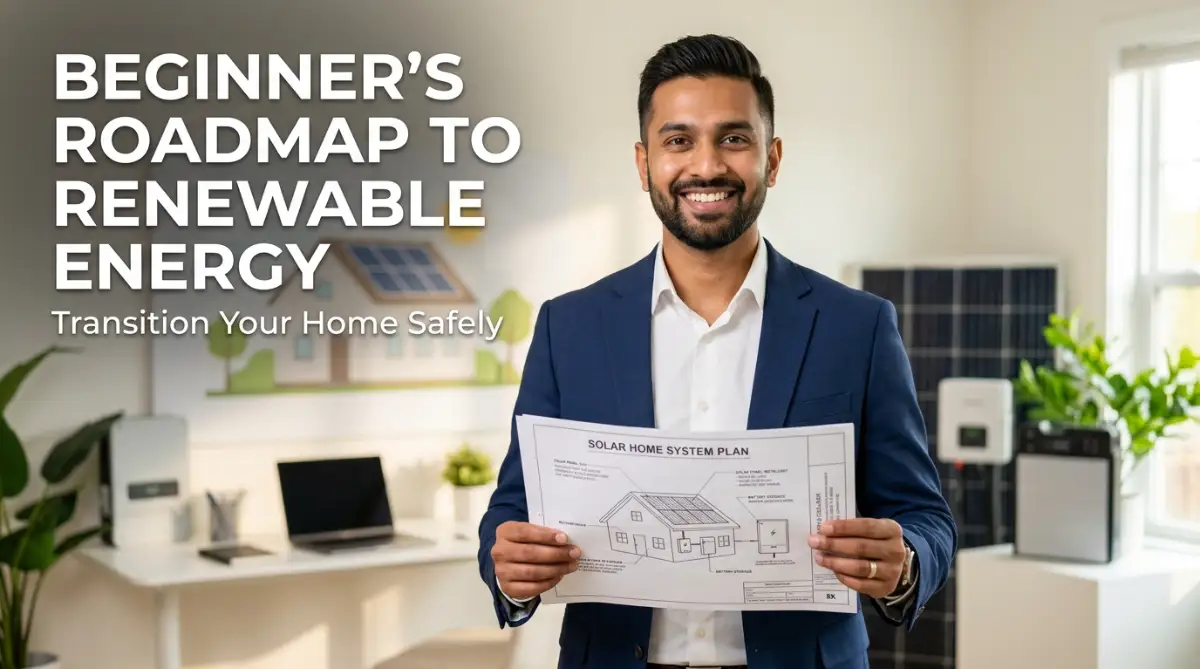
I am going to walk you through a completely stress-free, logical path to making your home self-sufficient. We will translate the heavy science into plain English so you can make confident, safe decisions for your family's future.
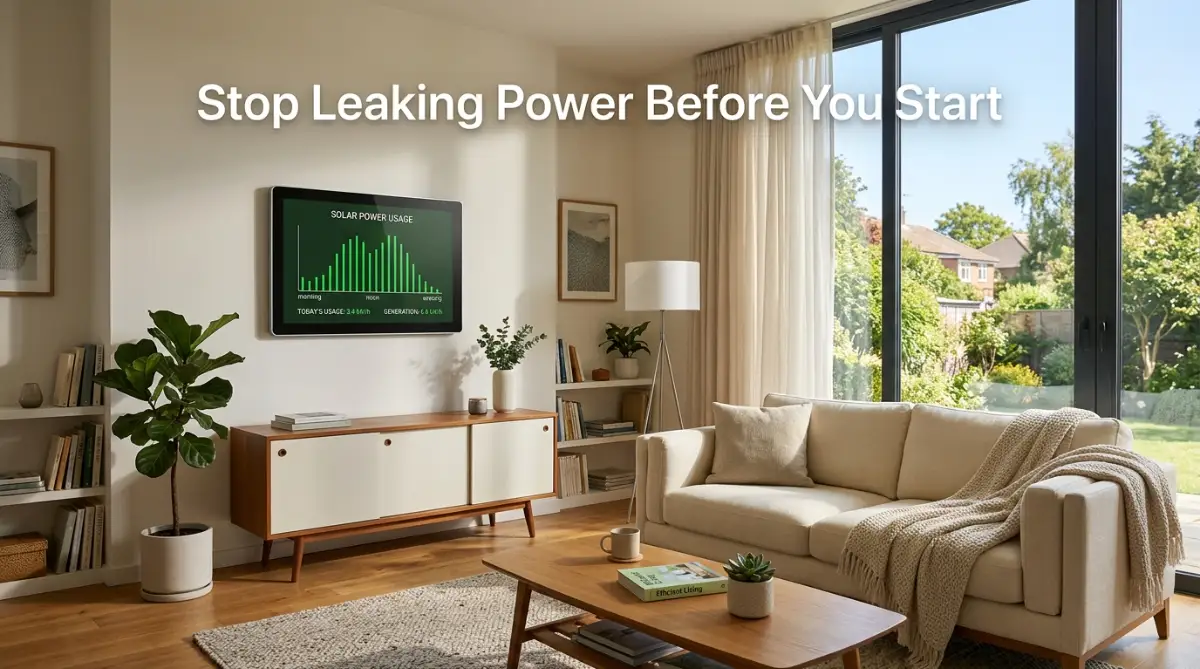
Quick Summary: Your Blueprint for Solar Success
- Fix the Leaks First: Seal your windows and update your lightbulbs so you do not buy a system larger than you actually need.
- Check the Roof: Never install new panels on an old roof. If your shingles are 15 years old, replace them first.
- Stay Connected: For 95% of normal homes, a "Grid-Tied" system without expensive batteries is the absolute smartest financial move.
- Stack Your Chores: Run your heavy appliances (dishwasher, dryer) during the afternoon to use your free sun power instead of buying night-time grid power.
The "Leaky Bucket" Principle of Home Power
Before we even look at a single solar panel, we need to talk about how your house currently operates. Most beginners make a very expensive mistake right at the starting line.
They look at their massive utility bill and immediately assume they need to buy a massive solar power plant for their roof. This is exactly like trying to fill a bucket with water while ignoring the giant holes in the bottom.
If your home is wasting electricity, building a larger power system is the absolute most expensive way to solve the problem. The cheapest energy you will ever buy is the energy you do not use.
My Quick "Energy Diet" Checklist Before Going Solar:
Do these three things before you even call a solar installer. You will save thousands of dollars by needing fewer panels:
Stop the Silent Energy Drains
We need to put your house on an energy diet first. This process is called demand reduction, and it is the secret weapon of every successful solar owner.
Start by walking through your home and identifying the silent power thieves. That extra twenty-year-old refrigerator humming away in your hot garage is likely costing you hundreds of dollars in unnecessary electricity.
Old incandescent light bulbs turn 90% of their energy into useless heat rather than actual light. By simply swapping these out for modern LED bulbs, you instantly slash your lighting energy requirements by a massive margin.
Weatherproofing Your Investment
Next, look at your physical walls and windows. If your home has poor insulation, your heating and cooling systems are constantly fighting a losing battle against the outside weather.
Grab a tube of simple silicone caulk and seal the tiny air gaps around your windows and doors. This small afternoon project traps your expensive climate-controlled air inside where it belongs.
When you fix the leaks first, your total energy demand drops significantly. This means you can buy a much smaller, far less expensive renewable energy system to power your life.
Evaluating Your Canvas: The Roof Reality Check
Now that your house is running efficiently, we need to look upward. Your roof is the foundation of your entire clean energy project.
Many overly aggressive sales teams will promise that they can put panels on any house. This simply is not true, and believing this can lead to decades of poor performance.
We need to act like scientists and objectively evaluate your property. Solar panels are heavy, they require direct light, and they need a solid foundation to survive severe weather.
The Age and Health of Your Shingles
This is a non-negotiable rule of transitioning to home energy. You must honestly evaluate the current age of your roofing materials.
A high-quality solar array is designed to sit on your house and generate power for at least twenty-five years. If your current asphalt shingles are already fifteen years old, you have a major scheduling conflict.
In five years, you will need to replace that old roof. If the panels are already installed, you will have to pay a specialized crew thousands of dollars just to remove the solar equipment, wait for the roofers, and then pay to have the panels reinstalled.
Always align your roof replacement with your solar installation. If your roof is nearing the end of its life, bundle the two projects together. Many contractors offer significant discounts when performing both jobs simultaneously.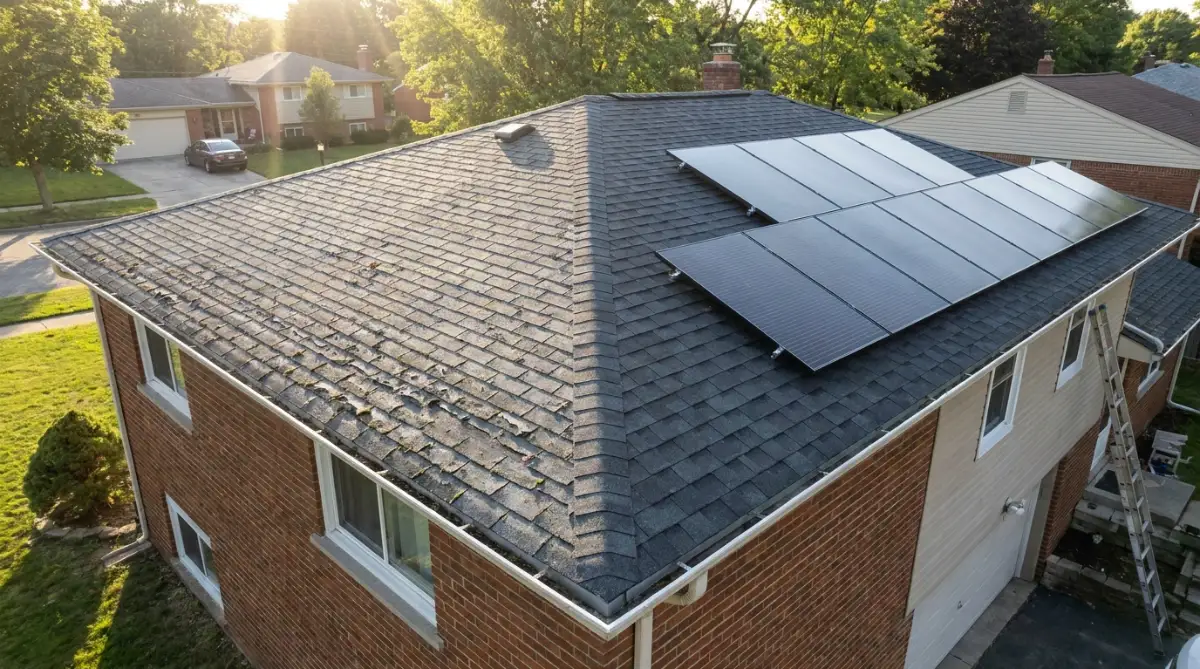
Decoding the Science of Sun Angles
Solar panels are basically mechanical sunflowers. They absolutely crave direct, unobstructed light to perform their chemical magic.
In the Northern Hemisphere, the sun travels across the southern portion of the sky. Therefore, the most productive place for a solar array is on a large, unshaded roof plane that faces directly south.
If your only available roof space faces dead north, the panels will struggle to catch enough direct light to justify their high cost. East and west-facing roofs are acceptable, but they will naturally produce slightly less overall power.
You also need to look at your beautiful landscaping. That giant oak tree in your front yard might provide lovely shade in the summer, but it is the natural enemy of solar production. You must be willing to trim back heavy branches to keep your roof completely bathed in sunlight during peak afternoon hours.
The Three Paths of Power Integration
Once you know your roof is ready, you have to decide how your new system will interact with the outside world. This is where people usually get confused by technical jargon.
There are basically three ways to set up a home renewable energy system. Let us look at a simple breakdown so you can choose the path that fits your comfort level.
If you are still a little confused about how batteries work with city power, watch this incredibly simple video breaking down the exact differences between grid-tied and off-grid setups. It will make your decision so much easier, so check it out and then keep reading below to see why staying connected to the city is usually the smartest move!
Why "Grid-Tied" is the Best Beginner Choice
When you watch movies, you usually see off-grid systems. The hero lives in a remote cabin, completely disconnected from society, relying entirely on massive battery banks.
While this sounds romantic, it is incredibly expensive and requires constant, stressful maintenance. For 95% of normal suburban households, a standard grid-tied system is the absolute safest and smartest choice.
A grid-tied system means your house remains physically plugged into the city power lines. You do not need to buy expensive, heavy chemical batteries to store your power.
The "Bank Account" of Net Metering
Instead of using physical batteries, a grid-tied system uses the city power grid as a giant, invisible storage tank. This is made possible through a billing agreement called net metering.
During a bright, sunny afternoon, your roof will generate far more electricity than your television and refrigerator can use. Your system automatically pushes that extra, unused power backward into the city grid.
When you push power to the city, your utility meter literally spins backward. The power company gives you digital credits for that energy, exactly like depositing money into a savings account.
Later that night, when the sun goes down and your panels turn off, your house automatically pulls power from the city. Instead of paying cash for this night-time power, you simply spend the digital credits you earned during the day.
This creates a beautiful, seamless balance. You get all the financial benefits of clean energy without the fear of your batteries dying in the middle of the night.
Setting Realistic Financial Expectations
The final step in our beginner's preparation is getting your mind right about the money. We need to clear up the confusing financial promises floating around the internet.
You will often see advertisements promising "Free Solar Panels from the Government!" Let me be perfectly clear: there are no free solar panels.
These misleading ads are usually pushing aggressive leasing agreements. When you lease a solar system, a company puts their equipment on your roof, and you simply buy the power from them.
While this might slightly lower your monthly bill, you do not actually own the equipment. You also cannot claim the valuable tax incentives designed to reward clean energy adoption.
The Power of Ownership
To truly benefit from this transition, you need to purchase the system outright. You can do this with cash or through a dedicated home improvement loan.
When you own the hardware, it permanently adds measurable value to your real estate property. When it is time to sell your home, buyers love seeing a house that comes with a nearly zero-dollar electricity bill.
More importantly, ownership unlocks government tax credits. Many national and local programs will directly reduce your yearly tax burden by a large percentage of your total installation cost.
Think of this project as planting an apple tree. It costs money and effort today, but once it takes root, it will provide free resources for decades.
Take your time during this evaluation phase. Do not let any salesperson rush you into signing a contract until you have plugged your energy leaks, checked your roof health, and decided exactly how you want to interact with the city grid.
Unlocking the Hidden Potential of Your Clean Energy Setup
Once you have finally installed your new system, the feeling of watching your meter spin backward is incredible. You have officially taken control of your home’s power supply.
However, installing the equipment is really just the beginning of your journey. The most successful homeowners do not just let the system sit on the roof ignored; they actively work with it to maximize every single dollar of savings.
You do not need an engineering degree to be a power user. You simply need to adopt a few clever daily habits that align your lifestyle with the rhythm of the sun. Let us look at some expert-level secrets that will push your energy independence to the absolute limit.
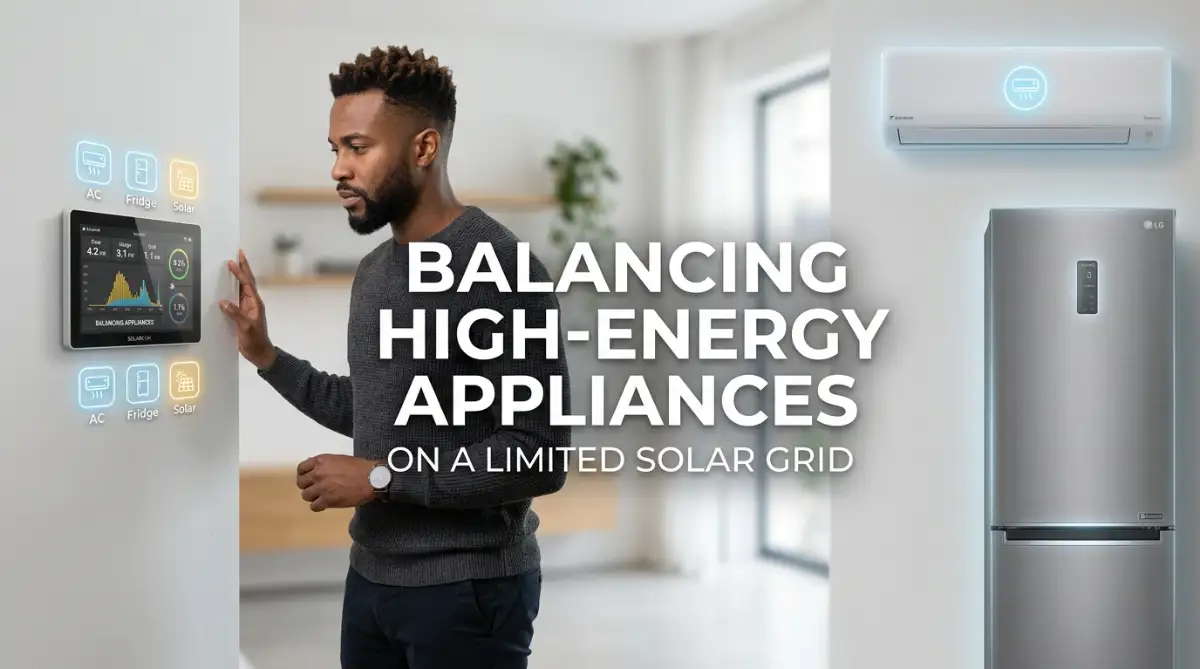
The "Appliance Stacking" Technique
Most families have a bad habit of running all their heavy chores at the exact same time. They get home from work at 6 PM, turn on the oven, start the dishwasher, and throw a load of towels into the dryer simultaneously.
If you do this, you create a massive electrical spike right when your panels are going to sleep for the night. This forces you to buy expensive, peak-hour energy from the city grid.
Instead, you need to practice appliance stacking. You want to spread your heavy electrical chores throughout the brightest parts of the day.
Modern appliances are amazing because nearly all of them have built-in delay timers. Before you leave for work in the morning, load the dishwasher and set it to run at noon. Toss your clothes in the washing machine and set it to start at 2 PM.
By pushing these heavy electrical loads into the middle of the day, they run entirely on free sunshine. 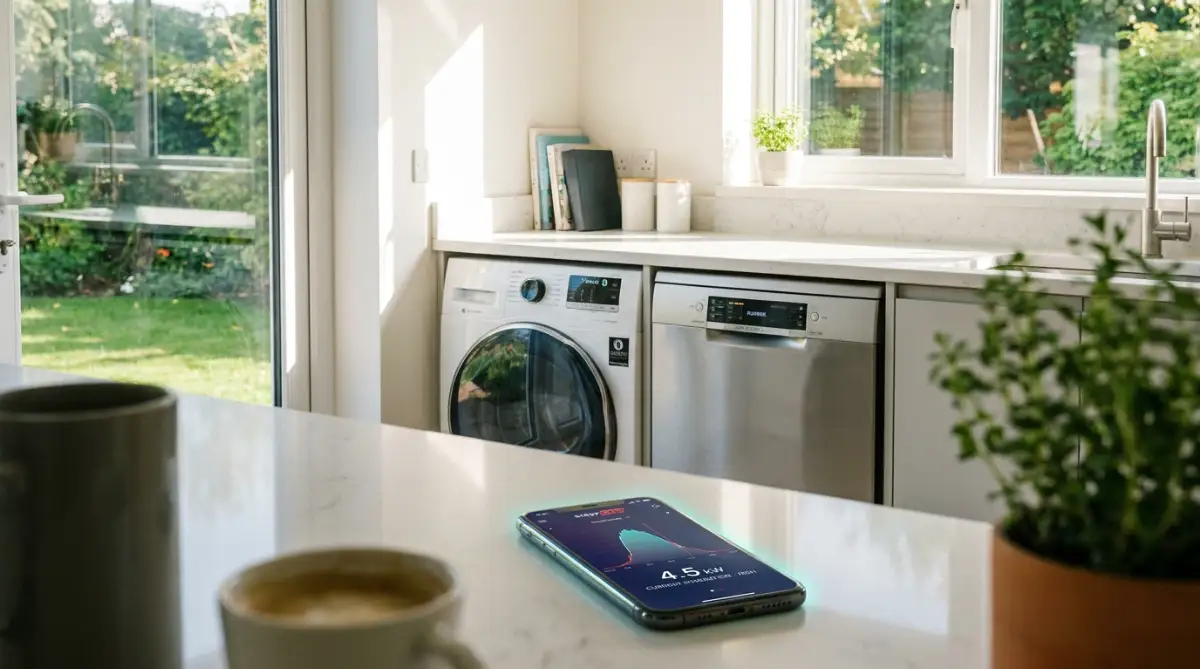 I actually made the huge mistake of running my pool pump and dryer at night during my first month with solar. Once I realized I was buying expensive night-time city power, I simply started using the delay timers on my machines, and I watched my bill finally drop to zero. This simple change in your daily routine can literally save you hundreds of dollars over a single summer.
Managing the Micro-Climate Around Your Hardware
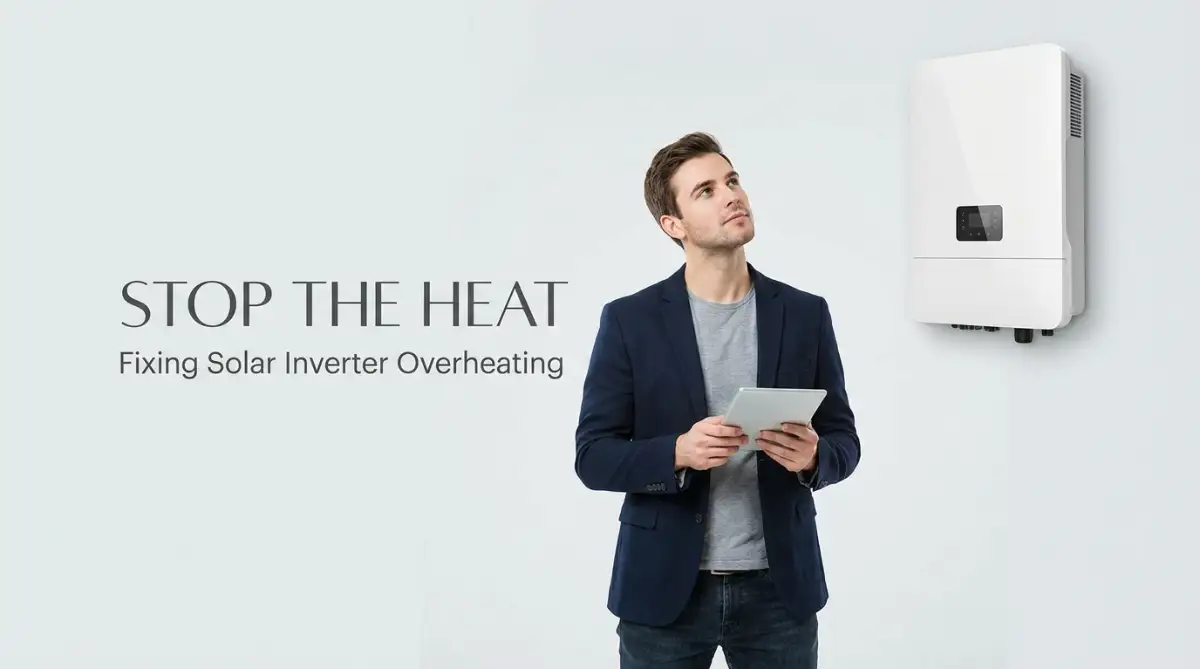
Your solar inverter is the absolute brain of the entire operation. It sits on the side of your house, working incredibly hard to convert raw solar energy into usable household power.
Because it works so hard, it naturally generates a lot of heat. If that machine gets too hot, it will intentionally slow down your power production just to cool itself off.
You need to treat your inverter like a sensitive computer. According to detailed guidelines on maintaining residential solar equipment by the Department of Energy, proper airflow is the number one factor in inverter longevity.
Take a walk outside and look at where your inverter is mounted. Have tall bushes grown up around it? Are there garden hoses or bicycles leaning against the metal casing?
Clear away any debris within a three-foot radius of the machine. If it is mounted in direct afternoon sunlight, consider building a small, ventilated wooden shade over it to block the intense heat. A cool, happy inverter will always yield significantly more electricity.
The Painful Traps of the Solar Honeymoon Phase
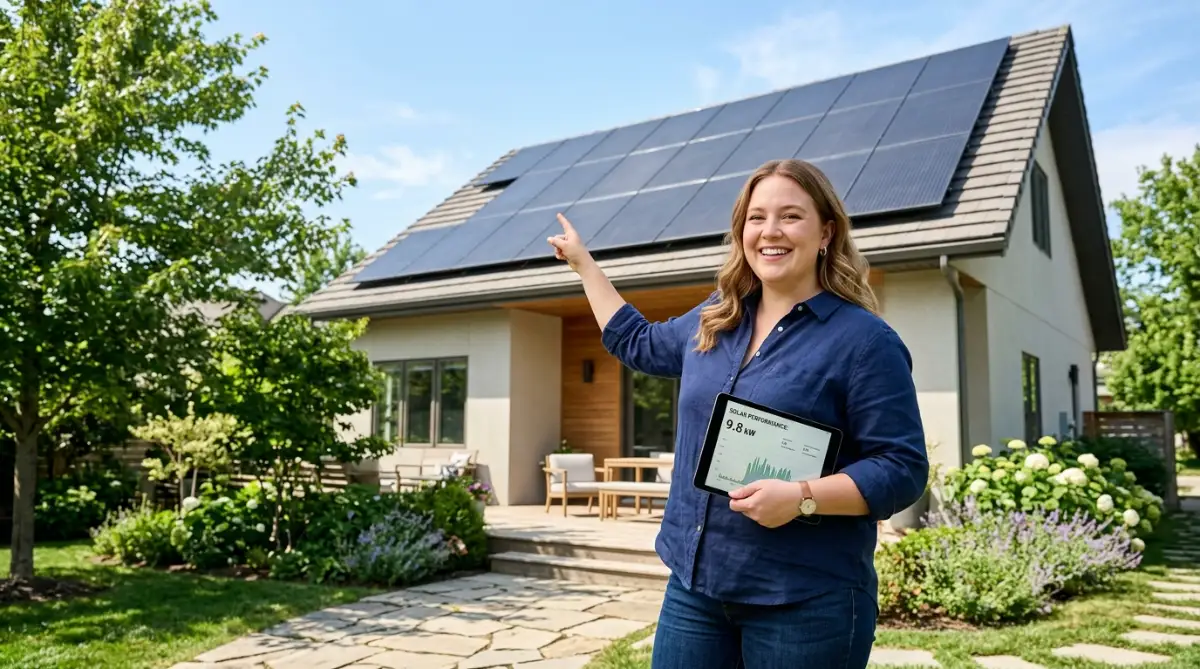
When your system is first turned on, it feels like pure magic. You stare at your mobile tracking app constantly, celebrating every single watt of free power.
We call this the "solar honeymoon phase." But just like any honeymoon, the excitement eventually fades into normal daily life.
This is exactly when homeowners start making devastating, expensive mistakes. They become completely complacent and forget that their roof is covered in highly sensitive technology. Let us look at the most dangerous traps people fall into so you can protect your investment.
The "Self-Cleaning" Illusion
A massive misconception in the renewable energy world is the idea that rain perfectly washes your solar panels. Salespeople love to tell this lie because it makes the system sound completely maintenance-free.
Think about your car sitting in the driveway during a light rainstorm. When the sun comes out, your car is not perfectly clean; it is covered in sticky water spots, pollen, and road dust.
The exact same thing happens to the glass on your roof. Over a few dry months, an invisible layer of micro-debris builds up on the surface. This thin layer of dirt acts like dark sunglasses, blocking the sun and secretly reducing your power output by up to 20%.
Many people do not realize this is happening until they get a surprise utility bill. This is one of the silent mistakes draining your residential solar panel efficiency that costs families money every single day.
Rapid-Fire Question: Does rain actually clean my solar panels?
Short Answer: Absolutely not.
Real Life Example: Think about leaving your car parked outside for a month. When it rains, does your car get a free car wash? No, it just gets covered in sticky water spots and hardened pollen. The exact same thing happens to your roof. You need to wash the glass with pure water at least twice a year to keep the power flowing.
You must establish a safe cleaning routine. Twice a year, use a regular garden hose to gently rinse the dust off the glass early in the morning when the panels are cool. Never use harsh chemicals or high-pressure washers, as they will permanently destroy the delicate anti-reflective coating.
Falling for the "Instant Off-Grid" Fantasy
Another extremely common mistake happens when people get their first low electricity bill. They get overly confident and immediately want to disconnect from the city grid entirely.
They rush out and buy a massive stack of cheap batteries, thinking they are outsmarting the utility company. This almost always ends in a financial disaster.
Going completely independent requires massive planning, lifestyle changes, and a very deep understanding of your winter weather patterns. Many people ruin their expensive battery banks in the first year because they drained them completely dry during a long winter storm.
Before you even consider cutting the cord, you need to educate yourself properly. Spend some time exposing the biggest myths about living entirely on off-grid solar power so you understand exactly what that lifestyle truly demands. For most families, staying grid-tied with a solid net metering agreement is by far the safest and most profitable path.
The Disaster of DIY Roof Work
This pitfall breaks the hearts of technicians everywhere. A homeowner decides they want to save money by cleaning their gutters or trimming a high tree branch themselves.
While up on the roof, they accidentally step right onto the corner of a solar panel. The glass does not shatter, and it makes no loud sound, so they assume no damage was done.
However, beneath that strong tempered glass, the actual silicon cells are incredibly fragile. The weight of a human foot instantly creates microscopic cracks in the electrical wiring inside the panel.
You will not see the damage, but that single panel will immediately stop producing power, and it might drag down the performance of the entire row. Never, under any circumstances, walk on, lean on, or place heavy tools on top of your solar array. Treat them as if they were made of the thinnest, most fragile ice.
Quick Safety Checklist for New Owners
- DO check your monitoring app every Sunday to catch any sudden drops in power production.
- DON'T let tree branches grow tall enough to cast thin shadows across your roof during the afternoon.
- DO keep all heavy landscaping tools far away from your outdoor inverter box.
- DON'T attempt to fix loose wires or open the electrical panels yourself.
By avoiding these completely preventable traps, you guarantee that your system will easily survive its twenty-five-year expected lifespan without any sudden, expensive surprises.
Your Final Checklist for Energy Independence
Taking the leap into renewable energy is one of the smartest financial decisions a family can make. It protects you from the endless cycle of rising utility rates and adds massive, permanent value to your home.
You no longer have to feel anxious about making the wrong choice. You now have a clear, logical roadmap to follow.
You know that the journey starts inside your house by fixing the leaky energy drains first. You understand the importance of evaluating your roof honestly and choosing a simple, grid-tied system to keep your family safe and comfortable.
You are no longer a passive consumer of electricity. You are now an active manager of a powerful, modern micro-utility.
Action Plan for Tomorrow Morning
Do not let this information just sit in your browser history. Start your transition tomorrow morning with these three simple steps:
- The Lightbulb Audit: Walk through your living room and kitchen. Count exactly how many old, hot incandescent bulbs you still have. Buy modern LED replacements this weekend.
- The Shadow Test: Step into your front yard at noon and again at 3 PM. Look at your roof and honestly evaluate if any trees are currently blocking your direct southern sunlight.
- The Billing Review: Pull out your last three utility bills. Look past the final dollar amount and find the section that shows your total "Kilowatt Hours (kWh)" used. This exact number is what a good solar installer needs to design your perfect system.
Embrace the process, take it one logical step at a time, and look forward to the day you open a utility bill and see a balance of absolutely zero!
Making the jump to solar power terrified me at first, but looking at my negative electric bill today makes every second of research completely worth it. You do not need to figure everything out today, just pick one small step from the list above and start taking back control of your power.
Disclaimer: The information provided in this article is for educational and informational purposes only. Designing and installing a home renewable electrical system involves high-voltage equipment that can cause serious injury, property damage, or death if mishandled. Always consult with a licensed electrician, a certified structural engineer, and your local building code enforcement office before purchasing or installing solar equipment. Additionally, financial tax incentives vary greatly by location; always consult a certified tax professional.