
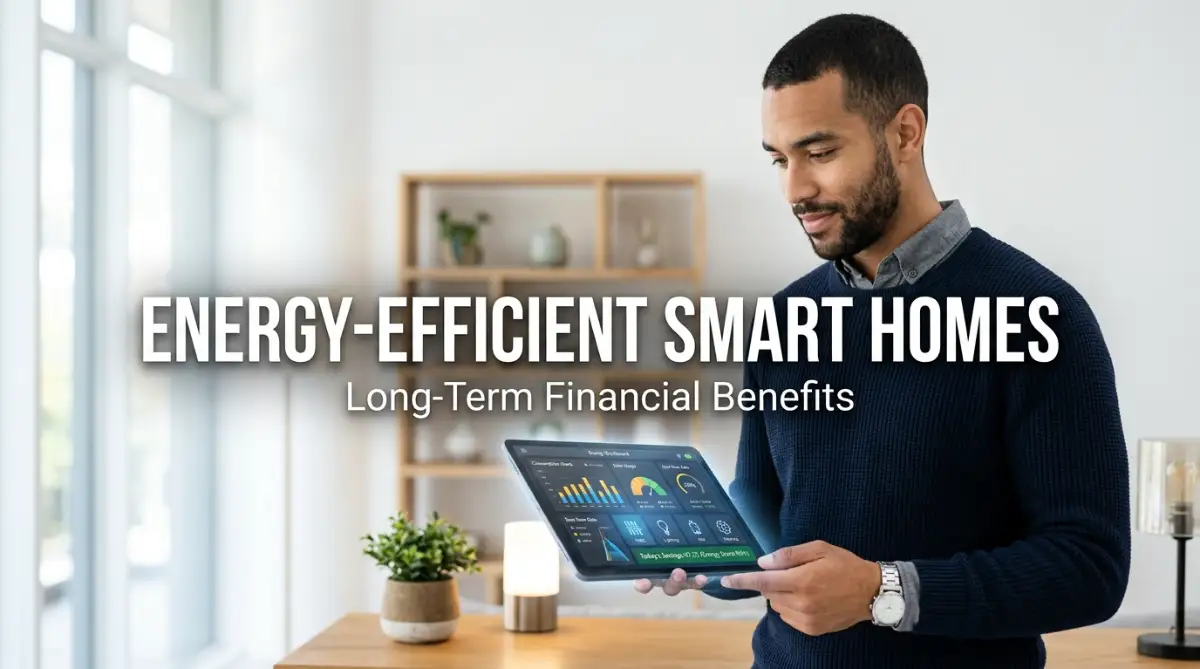
The Envelope That Changed My View on Housing
I will never forget the physical shock of opening my electricity bill during the peak of summer. I was living in a beautiful, traditional older home that I had just purchased. I tore open the paper envelope, expecting a normal monthly charge. Instead, the bold number staring back at me made my stomach completely drop.
My immediate reaction was pure panic. I honestly thought there was a massive mistake or a broken meter outside. I spent the next hour walking around my house, feeling the cold air leaking out of the old windows. I realized I was literally paying to air-condition my entire neighborhood.
That massive bill completely ruined my mental peace for the entire month. I started acting like a crazy person, constantly shouting at my family to turn off the lights. Every time the air conditioner kicked on, I could hear my hard-earned money slowly draining away. It felt like I was trapped in a financial nightmare inside my own home.
This is a painful reality that millions of homeowners face every single day. You work incredibly hard to afford a nice house, only to be punished by out-of-control utility costs. Traditional homes are basically giant leaky buckets, slowly wasting energy and stealing your disposable income. The constant stress of unpredictable bills makes it impossible to fully enjoy your living space.
Families are forced to choose between physical comfort and financial stability. You either sweat through the summer to save a few dollars, or you pay a small fortune just to sleep comfortably. This endless cycle of anxiety pushes many people to look for a better, more permanent solution.
The struggle is not just about the money leaving your bank account. It is about the complete lack of control over your own environment. I finally realized that my old house was entirely working against me. That painful realization pushed me to discover the massive financial power of energy-efficient smart homes.
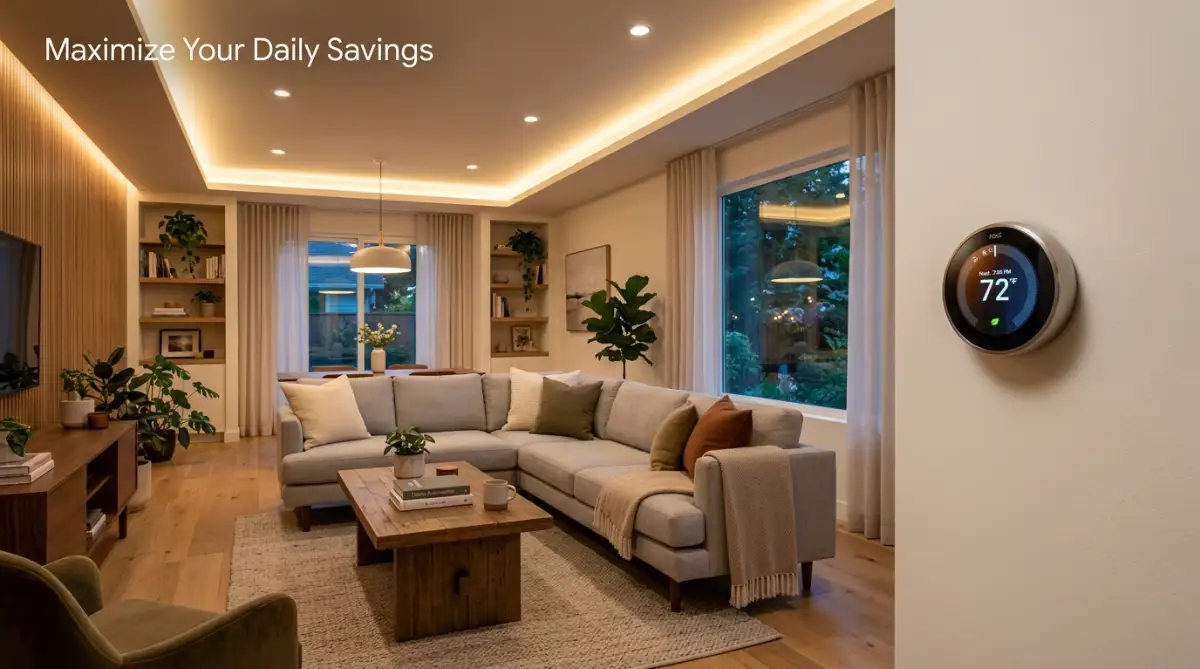
Rethinking How Your House Spends Your Money
When most people hear the term "smart home," they immediately think of fancy voice assistants playing music. They picture expensive gadgets that just look cool but offer no real value. This is a massive misunderstanding of what modern real estate technology actually does.
An energy-efficient smart home is not just a collection of toys. It is a highly advanced financial tool designed to protect your wallet. These homes actively monitor, manage, and reduce the amount of electricity and water you consume daily.
If you treat your home like a long-term investment, you need to care about its operating costs. A house that costs less to run gives you a much higher return on your investment over time. Let's break down exactly how this technology works behind the scenes to keep more money in your bank account.
The Brains of the Operation: Smart Climate Control
Heating and cooling make up the largest portion of any standard utility bill. Traditional thermostats are incredibly dumb devices. They only know exactly what temperature the room is right now, and nothing else. They will blindly blast expensive cold air into a completely empty house for eight hours straight.
Smart thermostats completely flip this broken system upside down. These devices learn your actual daily schedule over time. They figure out when you wake up, when you leave for work, and when you return. They use this data to create a highly optimized heating and cooling schedule that you never have to touch.
The financial savings from this single upgrade are absolutely massive. Instead of paying to condition an empty living room, the system goes into an eco-friendly sleep mode. It only wakes up and adjusts the temperature right before you pull into your driveway.
The Magic of Geofencing
One of the most powerful features of a smart climate system is called geofencing. This uses the GPS location of your smartphone to talk directly to your house. You do not even have to remember to adjust the thermostat when you leave.
When you drive a certain distance away from your property, the house automatically knows you are gone. It instantly drops the energy usage down to a bare minimum. When you cross that invisible boundary on your way home, the system springs back to life.
Think about how many times you have left for a weekend trip and forgot to turn off the air conditioner. That simple human error can easily cost you fifty dollars over a few days. Geofencing completely eliminates human error from your energy budget.
Want to understand exactly how smart thermostats calculate these incredible savings? Check out this excellent visual breakdown of home heating costs.
Defeating the Phantom Power Drain
There is a silent thief hiding in almost every single room of a traditional house. It is known as phantom power or standby power. Many electronics continue to pull electricity even when they are technically turned off.
Your television, microwave, and computer chargers are constantly sipping power from the grid 24 hours a day. While it seems like a tiny amount, these phantom loads add up to a huge yearly expense. Smart plugs and automated outlets solve this problem permanently.
You can program these smart outlets to completely cut power to certain devices while you sleep. The outlet completely physically blocks the electricity from reaching the device. You wake up knowing that your entertainment center didn't cost you a single penny overnight.
My Personal Realization: I used to think I was great at saving energy just by flipping switches. I eventually realized my old gaming computer was pulling 20 watts of power even while completely shut down. Plugging it into a smart outlet that cuts power at midnight easily saved me enough money to buy a new game every few months.
The Long-Term Real Estate Value
Buying or upgrading to an energy-efficient smart home is not just about the monthly savings. It completely changes the actual market value of your property. The real estate market is shifting rapidly, and modern buyers have entirely new expectations.
When a family looks to buy a new house, they are terrified of high hidden costs. If you can prove that your house costs half as much to run as the house next door, you hold massive leverage. Smart home features are now major selling points listed right at the top of property descriptions.
Appraisers are also starting to factor energy efficiency into their official home valuations. A house with a smart HVAC system, automated lighting, and advanced insulation will simply appraise higher. You get to enjoy the monthly savings now, and you get a massive payout when you eventually sell.
Faster Selling Times in a Competitive Market
Homes with integrated smart technology simply do not sit on the market as long. Younger buyers, specifically millennials and Gen Z, actively search for these exact features. They grew up with technology and expect their homes to be just as smart as their phones.
If a buyer has to choose between a standard home and a smart home at a similar price, the choice is obvious. The smart home feels like a premium, luxury product that requires less effort to manage. This high demand often leads to multiple offers and bidding wars.
You are essentially future-proofing your real estate investment. A house that relies on old, inefficient technology will eventually become very hard to sell. Staying ahead of the curve protects your biggest financial asset from becoming outdated and undesirable.
Lowering Your Hidden Ownership Costs
We mostly talk about electricity and gas bills, but owning a home comes with many other costs. Homeowners insurance is a massive yearly expense that continues to rise. Smart home technology can actually help you negotiate better rates with your insurance provider.
Insurance companies lose billions of dollars every year to sudden water damage and electrical fires. They love anything that reduces their overall risk. Because smart homes actively monitor for these exact disasters, insurers view them as incredibly safe investments.
The Value of Smart Leak Detectors
Water damage is one of the most expensive and devastating things that can happen to a house. A hidden pipe leak behind a wall can slowly rot your framing and create dangerous mold. By the time you actually see the water, the repair bill can easily reach thousands of dollars.
Smart water leak detectors are tiny sensors you place near your washing machine, sinks, and water heater. If they detect even a single drop of unwanted water, they instantly send an alert to your phone. Some advanced systems can even automatically shut off the main water valve to the house.
This immediate action prevents a fifty-dollar plumbing fix from turning into a fifty-thousand-dollar disaster. When you tell your insurance company you have these automated shut-off valves installed, they often offer significant premium discounts. The technology pays for itself simply by preventing a single major accident.
Predictive Maintenance Alerts
Your heating and cooling system will eventually break down. However, it rarely happens without warning. Traditional systems just stop working one day, usually on the hottest day of the year. This forces you to pay massive emergency repair fees to a technician.
Smart HVAC systems constantly monitor their own internal health. If a motor starts pulling slightly too much power, or an air filter becomes too clogged, the system notices. It will send a friendly notification to your phone suggesting you schedule a routine checkup.
Fixing a small issue early is always much cheaper than replacing a completely destroyed system later. This predictive maintenance extends the total lifespan of your expensive home appliances. You squeeze every single drop of value out of your equipment before needing to buy new ones.
The Brilliant Automation of Lighting
Lighting accounts for a surprisingly large chunk of your monthly energy budget. We all try to build good habits, but human beings are naturally forgetful. We leave closet lights on, we leave the porch light burning all day, and we fall asleep with bedside lamps glowing.
Energy-efficient smart homes remove this heavy burden from your memory entirely. Smart LED bulbs use barely a fraction of the energy of traditional bulbs. When you combine them with smart motion sensors, the savings become truly spectacular.
Light Only When You Need It
Imagine walking into a dark hallway with a basket of laundry in your hands. You do not have to put the basket down to fumble for a switch. The smart home senses your movement and gently fades the lights on to illuminate your path.
As soon as you leave the hallway, the sensors realize the space is empty. A few seconds later, the lights automatically turn themselves off. You never have to worry if you left a light on upstairs because the house manages it for you.
You can also tie your lighting to the natural rhythm of the sun. Smart switches know exactly when the sun rises and sets in your specific city. Your exterior lights will only turn on when it is actually dark outside, maximizing your security while minimizing your energy waste.
Living in an energy-efficient smart home feels incredibly liberating. You stop worrying about every little switch and dial in your house. The technology works quietly in the background, constantly fighting to save your money while you simply enjoy living your life.
Taking Your Smart Home Savings to the Next Level
Once you understand the basic concept of energy-efficient housing, you might feel tempted to run out and buy every single gadget on the market. However, randomly throwing technology at your house is not a proper financial strategy. To see massive, long-term returns on your investment, you need to think like a professional property manager.
The most successful real estate investors do not just buy devices; they build completely integrated ecosystems. An ecosystem means every single smart device in your house communicates directly with the others. When your home acts as one single, unified brain, your monthly utility bills drop faster than you ever thought possible.
For example, your smart thermostat should actively talk to your automated window blinds. During the hottest part of a summer afternoon, the sun beams directly through your glass windows. This rapidly heats up your living room, forcing your air conditioner to work twice as hard to keep the house cool.
In a perfectly integrated ecosystem, the temperature sensor notices the heat rising. Instead of instantly turning on the expensive air conditioner, the system simply tells your smart blinds to close. Blocking the sun naturally cools the room down, saving you a tremendous amount of electricity over the course of a long summer.
Mastering Time-of-Use Energy Rates
Here is an advanced financial secret that utility companies rarely advertise to normal homeowners. Many electricity providers use a billing system called "Time-of-Use" pricing. This means the actual cost of electricity changes drastically depending on the specific time of day you use it.
During peak hours, usually between four in the afternoon and nine at night, electricity is extremely expensive. This is when everyone comes home from work, turns on their televisions, and starts cooking dinner. During the middle