
The Hidden Weight of Our Dream Vacations
I still remember standing on a breathtaking, world-famous beach in Southeast Asia, feeling completely sick to my stomach. Instead of pristine white sand, my bare feet were stepping on a thick, colorful layer of discarded plastic bottles and tourist wrappers. I had flown thousands of miles to witness this natural wonder, but my own careless travel habits were directly part of the reason it was dying. My heavy suitcase was packed full of single-use plastics, and I had taken three short domestic flights just to save a few hours of transit time. I realized right in that moment that my dream vacations were leaving a toxic mark on the very places I loved the most.
This deep feeling of environmental guilt is something millions of everyday travelers struggle with right now. You desperately want to see the world, experience new rich cultures, and relax away from home, but the heavy burden of climate change constantly weighs on your mind. You watch sad news reports about melting ice caps and heavily polluted oceans, making you heavily question every single flight you book. It feels almost entirely impossible to enjoy a simple holiday without constantly worrying about the dirty carbon emissions you are personally creating.
People spend endless hours staring at confusing booking websites, feeling completely paralyzed by the massive lack of clear, honest green options. We pack our travel bags feeling incredibly anxious because modern society tells us that international travel is actively destroying the planet. Every single time you throw away a tiny plastic hotel shampoo bottle, you feel a sharp, painful pinch of regret. You truly want to do the right thing, but sustainable travel seems way too expensive and incredibly difficult to figure out.
Normal, hard-working families feel entirely disconnected from the real solutions because eco-tourism is almost always marketed as a luxury only rich people can afford. This constant mental battle completely ruins the pure joy of exploring new, exciting destinations. We end up feeling stuck and hopeless between our deep human desire to see foreign lands and our clear responsibility to protect the earth.
Redesigning How You Move Across Borders
To solve this massive travel problem, we need to completely change how we think about moving our bodies from one country to another. Transportation is the absolute biggest contributor to your travel carbon footprint, making up over seventy percent of your total trip emissions. However, you do not need to entirely stop traveling to fix this specific issue.
You simply need to understand the simple science behind how different vehicles burn dirty fuel. Making just one or two smart choices about your physical transit can wipe out hundreds of pounds of bad carbon emissions.
The Hidden Danger of Short-Haul Flights
Most people assume that flying across the ocean is the worst possible thing you can do for the environment. While long flights do burn a lot of fuel, extremely short domestic flights are actually much worse for the planet on a per-mile basis. This happens because airplanes burn the massive majority of their jet fuel during the very heavy takeoff and landing phases.
When you take a quick forty-minute flight between two close European cities, the plane barely reaches its efficient cruising altitude before it has to come right back down. You are creating a massive spike in carbon emissions for a journey you could have easily completed on the ground. Skipping these short flights is the absolute best way to instantly drop your environmental impact.
The Magic of High-Speed Rail Networks
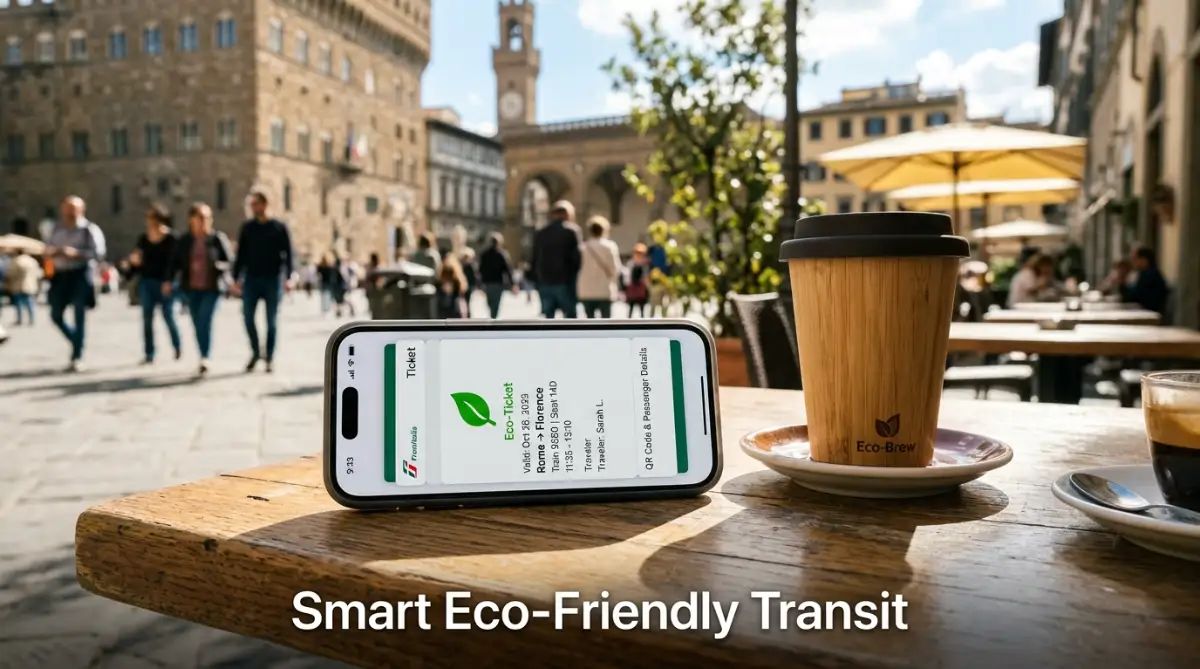
If you are exploring regions like Europe, Japan, or parts of China, high-speed trains are your ultimate secret weapon for green travel. Think of a modern train as a highly efficient, moving hotel room that glides perfectly across the countryside. Electric trains produce only a tiny fraction of the greenhouse gases compared to standard commercial airplanes.
Sitting in a comfortable train car gives you massive legroom, free internet access, and stunning ground-level views of the foreign landscape. Taking a direct high-speed train completely removes the stress of long airport security lines and expensive taxi rides to remote terminals. You actually end up saving a huge amount of time because train stations drop you off right in the very center of the city.
Mastering the Art of Slow Travel
We often try to cram six different cities into a tight seven-day vacation schedule to maximize our holiday time. This rushed style of travel forces you to constantly jump on gas-guzzling planes and private cars just to keep up with your own strict itinerary. Adopting a "slow travel" mindset completely fixes this stressful, highly polluting cycle.
Instead of treating foreign countries like a quick checklist, choose just one single city or region and truly stay there for a week. You will dramatically cut your transportation emissions because you will naturally rely on walking, biking, or simple local buses. You will also form a much deeper, authentic connection with the local culture and the neighborhood shop owners.
Seeing Through the Hotel "Greenwashing" Illusion
Where you choose to sleep every night has a massive impact on the local environment of your destination. Hotels are notorious for using extreme amounts of electricity to run massive air conditioners, heat giant swimming pools, and wash millions of heavy towels. Sadly, many large hotel chains use a sneaky marketing trick called "greenwashing" to trick honest tourists.
Greenwashing happens when a hotel places a cute little sign in the bathroom asking you to reuse your towel, but secretly does nothing else to help the planet. They use the word "eco-friendly" in their online brochures without actually using renewable energy or recycling their daily waste. You have to learn how to spot these fake claims to ensure your money supports truly responsible businesses.
Checking for Real Third-Party Certifications
When you are booking a room online, do not just blindly trust a hotel's own website claims about sustainability. You need to look for official, independent third-party certifications that strictly audit the building's energy and water usage. Look for respected global seals of approval like LEED Certification, EarthCheck, or Green Key on their booking page.
These official organizations send real human inspectors to check if the hotel is actually using solar panels, composting leftover food, and paying their cleaning staff fair local wages. Choosing a certified property guarantees that your hard-earned vacation money is actively funding genuine environmental protection.
I used to just book whatever hotel had the cheapest nightly rate, completely ignoring the massive pile of plastic waste they generated every morning at breakfast. One day, I purposely spent just ten dollars more to stay at a certified eco-lodge that used strictly solar power and served zero-waste meals. The food tasted incredible, the staff was much happier, and I finally realized that spending a tiny bit more for true sustainability drastically improved my overall travel experience.
Are you falling for fake eco-friendly hotel marketing? Watch this simple breakdown to learn how to quickly spot genuine sustainable businesses online.
The Science of Hotel Water Waste
We treat hotel rooms very differently than we treat our own private homes. Most people would never dream of washing their personal bath towel after just one single use at home. Yet, when we stay in a fancy hotel, we happily throw our slightly damp towels on the bathroom floor every single morning for the maids to collect.
Commercial hotel washing machines use millions of gallons of fresh, clean water every single year to wash basically clean items. By simply hanging your towel back on the metal rack, you are directly telling the cleaning staff to leave it alone. This tiny, effortless physical action saves dozens of gallons of heavily treated water during your stay.
The Surprising Physics of Packing Light
You might seriously wonder how the amount of clothing inside your suitcase has anything to do with global warming. The answer comes down to the basic laws of physical weight and jet fuel consumption. Every single extra pound placed inside a commercial airplane requires the engines to burn more highly polluting fuel to keep the metal machine in the sky.
If a large plane is carrying two hundred passengers, and every single person packs just five pounds lighter, the plane instantly loses one thousand pounds of dead weight. This massive reduction in heavy drag makes the flight significantly more fuel-efficient from takeoff to landing. Packing a smaller, lighter bag is a direct, measurable action you can take to lower global emissions.
Building a Reusable Wardrobe
The secret to packing extremely light is not about bringing fewer options, but bringing the right type of smart fabrics. Synthetic materials like cheap polyester quickly trap bad body odor, forcing you to constantly wash them or pack multiple heavy outfits.
Instead, invest in a few high-quality shirts made from natural merino wool or pure organic cotton. These incredible natural fabrics are naturally antibacterial, meaning you can wear them three or four times before they actually start to smell bad. You can easily pack a tiny carry-on bag for a two-week trip in Europe just by mixing and matching these simple, highly efficient items.
Leaving the "Just in Case" Items Behind
We all have a terrible habit of packing heavy items we think we might randomly need during an unexpected emergency. We pack huge umbrellas, three pairs of heavy walking shoes, and bulky rain jackets for a sunny summer trip to Italy. These heavy "just in case" items almost never leave the dark bottom of your suitcase.
Remind yourself that foreign countries actually have regular stores where normal people buy daily things. If it surprisingly rains for one afternoon during your trip, you can easily buy a cheap umbrella from a local street vendor. Trusting that you can buy basic supplies locally entirely frees you from carrying around useless, heavy luggage.
Eating Local to Cut Down Dirty Food Miles
Food is an absolutely massive part of the travel experience, but it also carries a huge, hidden environmental cost. When a fancy resort in a tropical country decides to serve imported salmon or foreign strawberries, those food items have to fly thousands of miles in refrigerated cargo planes. The total distance a piece of food travels to reach your dinner plate is called its "food mile" rating.
Eating heavily imported food directly drives up global carbon emissions and totally hurts the local farming economy. Changing how you approach your daily vacation meals can massively lower your personal carbon footprint while giving you a much tastier experience.
Finding True Local Markets
Instead of eating every single meal inside your familiar, air-conditioned hotel restaurant, step out into the real neighborhood. Visit the busy morning street markets where the actual locals buy their fresh daily produce. When you eat a fresh mango grown just five miles down the road, your meal has an incredibly low carbon footprint.
Street food and local family-run cafes rely entirely on cheap, seasonal ingredients grown by nearby farmers. Eating this authentic local food ensures that your tourist dollars stay directly inside the local community rather than going to massive foreign shipping companies.
The Massive Impact of Reducing Meat
You do not have to become a strict vegan to help save the planet during your travels. However, the commercial meat industry is one of the leading global causes of severe deforestation and greenhouse gas production. Raising heavy cattle for cheap beef burgers requires an unbelievable amount of fresh water and open land.
Try replacing just one single meat-heavy meal a day with a delicious, locally sourced vegetarian option. Many foreign cultures already have a rich, amazing history of incredible plant-based dishes that are extremely cheap and perfectly healthy. This small daily dietary shift dramatically lowers the environmental cost of feeding you during your trip.
Ditching the Single-Use Habit on the Road
When we leave the comfort of our own homes, we completely forget our good recycling habits and default to extreme convenience. We constantly grab single-use plastic water bottles, disposable coffee cups, and tiny plastic bags from every foreign convenience store we visit. These plastics are almost never recycled in developing countries and usually end up directly in the local oceans or massive trash dumps.
Creating a physical barrier against single-use plastic is entirely possible with just a tiny bit of smart daily preparation. You can build a highly effective personal zero-waste kit that easily fits right inside your small daily backpack.
The Ultimate Zero-Waste Day Pack
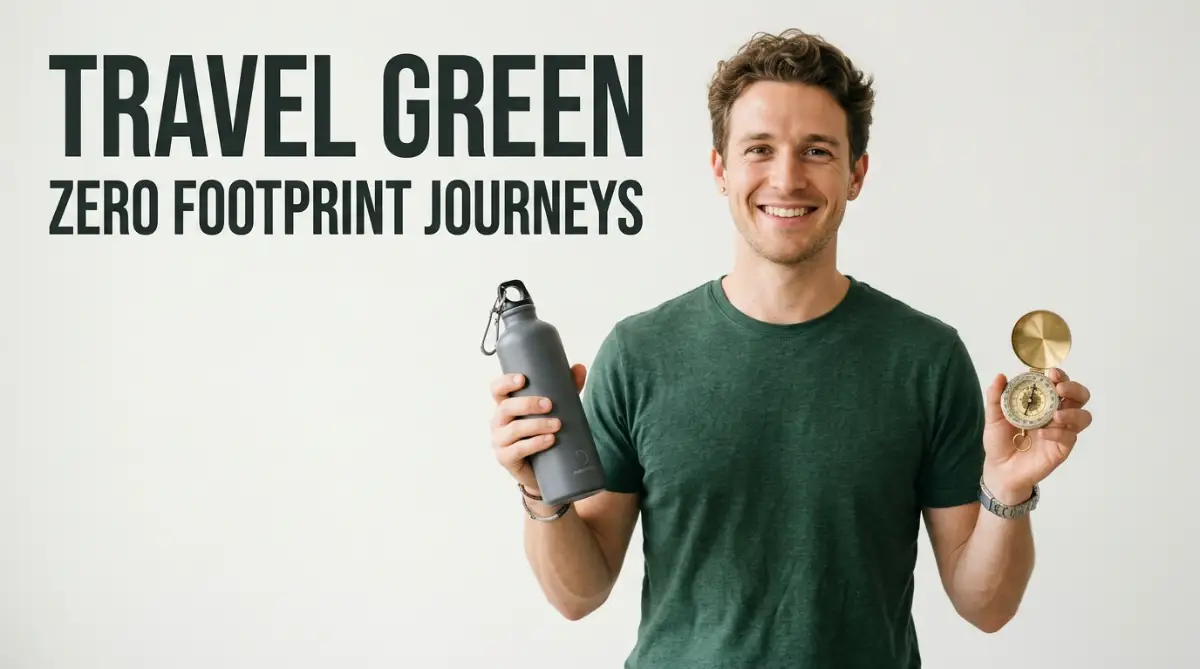
The absolute most important item you need is a high-quality insulated metal water bottle. Many major airports and public train stations around the world now offer free, perfectly clean water refill stations. By simply refilling your own metal bottle, you prevent buying dozens of toxic plastic bottles over a ten-day vacation.