The Quiet Worry in Every EV Owner's Mind
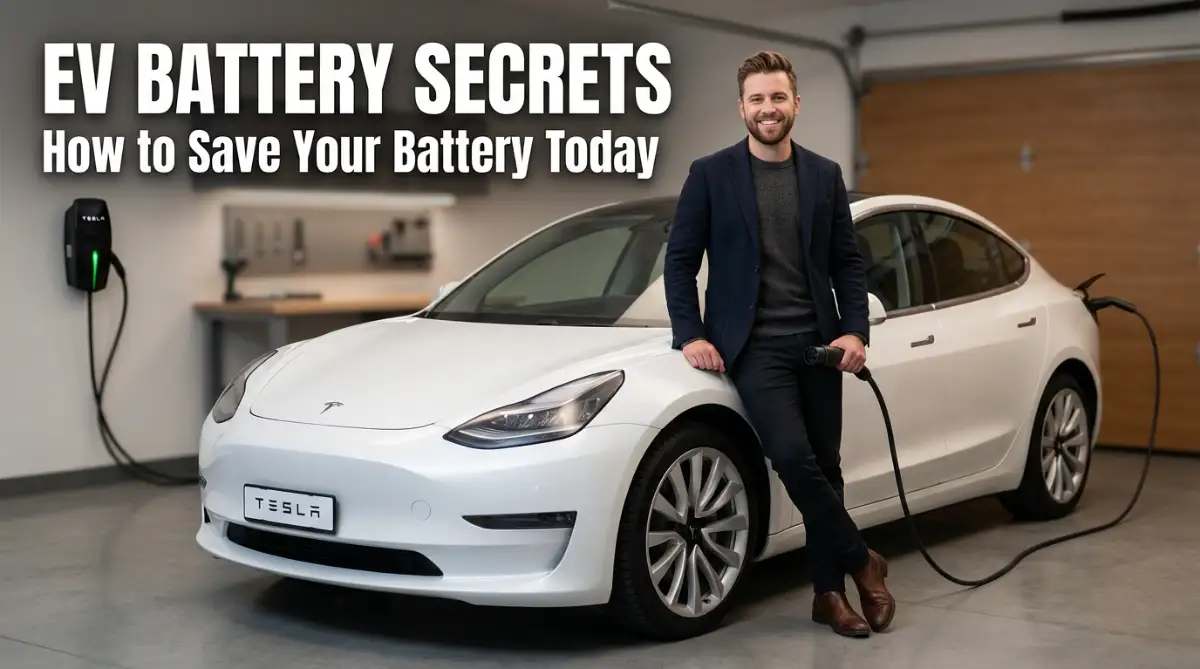
I spent the first month of owning an EV staring at my dashboard like it was a ticking time bomb. I thought plugging it in to 100% every single night was the 'responsible' thing to do. I was wrong. I was actually stressing out the most expensive part of my car without even knowing it. If you’re worried about your battery's health, I want to show you the simple, daily habits I use now to keep my car running like new for years to come.
You finally did it. You traded the gas pump for a charging cable and bought your first electric vehicle. It feels amazing to drive, but there is a small voice in the back of your head. "How long will this battery actually last?"
I see this worry every day. You hear stories about batteries losing their "juice" or costing a fortune to replace. You watch your range meter like a hawk, wondering why it dropped a few miles after a cold night. This stress can take away the joy of owning a modern car.
I remember talking to a new owner named Mark. He was so afraid of "killing" his battery that he barely used the heater in the winter. He sat in his car shivering just to save 1 percent of his power. That is not how you should live with your car.
You deserve to enjoy your ride without fear. The truth is that lithium-ion batteries are tough, but they are also sensitive. They have "feelings" about how they are treated. If you learn their secrets, they will serve you for many years without any trouble.
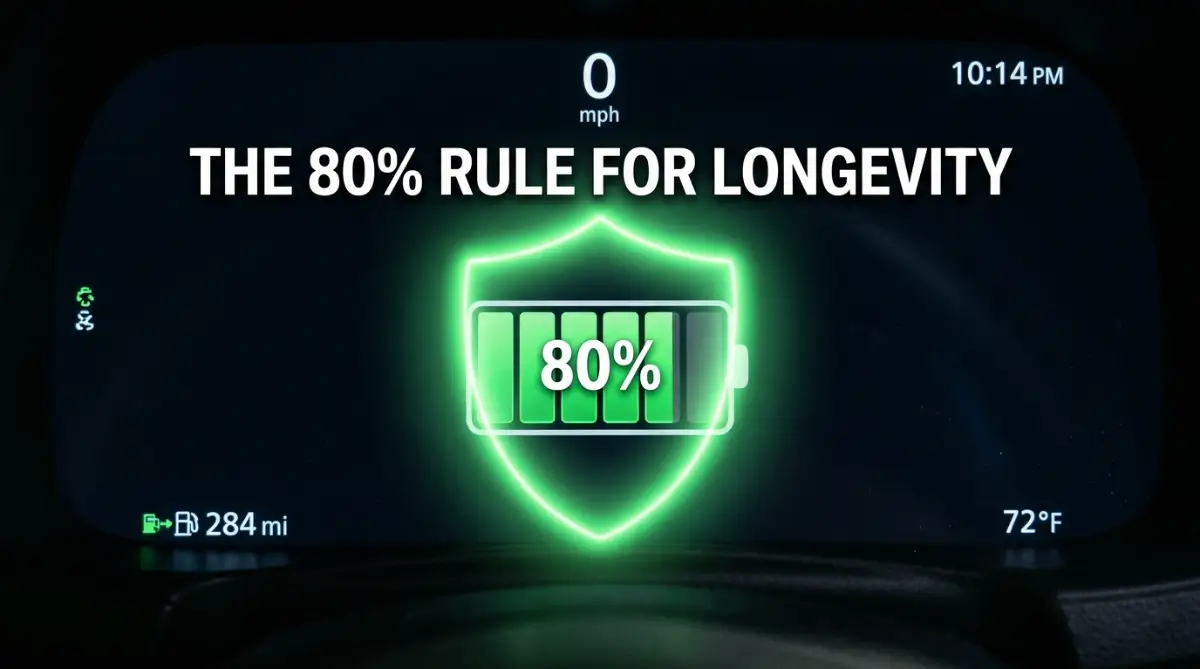 ⚡ Your EV Battery Health Cheat Sheet
- The 80% Cap: Set your daily charge limit to 80% to stop chemical wear.
- Avoid 'The Floor': Never let your car sit at 0-5% for more than an hour.
- Cooling Matters: On hot days, park in the garage or shade whenever possible.
- Smooth is Fast: Avoid 'flooring it' at every green light to prevent heat spikes in the battery cells.
The Science of Stress: Why Batteries Get Tired
To save your battery, you have to understand what makes it "sad." A lithium-ion battery is like a tiny chemistry lab. Inside, ions move back and forth between two sides. When you push them too hard, they get stressed.
Think of a rubber band. If you stretch it just a little bit, it always snaps back. But if you stretch it to the absolute limit and hold it there, it starts to get weak. Eventually, it won't snap back at all.
Your battery is the same. It loves to be in the "middle." When it is totally full or totally empty, the chemicals inside are under a lot of pressure. This pressure creates heat and tiny cracks that you can't see.
The Golden Rule: Living in the 80/20 Zone
If you are still wondering exactly why pushing your battery past 80 percent causes so much internal stress, watch this simple visual breakdown. It clearly explains the science behind the 80% rule and proves exactly why this one daily habit can save you thousands of dollars in future replacement costs.
The biggest mistake people make is treating their car like their old gas car. You used to wait until the tank was empty and then fill it to the top. If you do this with an EV, you are hurting the battery.
Your car loves the "Sweet Spot." This is usually between 20 percent and 80 percent. Keeping your battery in this range can literally double its life.
Try to set your car’s charging limit to 80 percent for daily driving. Only go to 100 percent if you are starting a very long trip. By staying away from the edges, you keep the chemistry calm and happy.
The biggest lightbulb moment for me was realizing I didn't actually need a "full tank" to get through my normal day. Once I set my car's daily charging limit to exactly 80 percent, my daily range anxiety completely vanished, and my battery health hasn't dropped a single percent since. Trust me, changing this one simple setting on your dashboard screen will give you total peace of mind.
Beating the Heat: The Silent Battery Killer
If there is one thing a lithium-ion battery hates more than anything else, it is heat. High temperatures make the chemical reactions go too fast. This creates a "gunk" inside the battery that slows down the ions.
When you park your car in the sun on a hot day, the battery cooks. If you can, always park in the shade or in a garage. Your battery will thank you with a longer life.
Also, be careful with fast charging on hot days. Fast chargers pump a lot of energy into the car very quickly. This creates a lot of internal heat. If the battery is already hot from the sun, this "double heat" is very bad for longevity.
The Fast Charging Trap: Speed vs. Health
We all love the convenience of DC fast chargers. Getting back to 80 percent in 20 minutes feels like magic. But this magic comes at a cost.
Imagine someone trying to force a huge amount of water through a small pipe. The pressure is intense. Fast charging does the same to your battery's internal structure.
Use fast chargers for road trips, not for your daily fill-up. At home, slow charging (Level 1 or Level 2) is like a gentle massage for your battery. It is slow, cool, and very healthy.
The "Vampire" Drain: Why Leaving it Empty is Dangerous
One of the scariest things you can do is leave your car at 0 percent for a long time. When a battery stays totally empty, it can fall into a "deep sleep." Sometimes, it can't wake up at all.
Even when the car is off, it uses a tiny bit of power for its "brain." This is the vampire drain. If the battery is already at 1 percent, that drain can push it into the danger zone.
If you are going on vacation and leaving the car, try to leave it at 50 percent. This is the most stable state for the chemicals. It is like the battery is taking a nap on a comfortable couch.
Myth vs. Reality: Does the Cold Kill Your Battery?
You might notice that your car has less range in the winter. Don't panic! This is not permanent damage.
In the cold, the ions move slower, just like people moving through deep snow. The battery isn't broken; it is just "stiff." Once the weather warms up, your range will come right back.
However, avoid charging a frozen battery at high speeds. Most modern cars will warm the battery up first. This is why your charging might feel slow on a cold morning. It is the car protecting itself from you!
Smooth Driving for a Smooth Life
Did you know that how you drive affects your battery health? Putting your foot to the floor every time the light turns green creates a huge "draw" of power.
This sudden pull of energy creates a spike in heat. Doing this over and over is like running a marathon without a warm-up. It wears the battery out faster than gentle driving.
Try to use "Regenerative Braking" as much as possible. This lets the car slow down naturally and puts energy back into the battery. It is a smooth, circular way of using power that the battery loves.
Monitoring Your Battery's "Social Life"
Most EVs have a screen that shows your battery health. Don't obsess over it every day, but check it once a month.
If you see a sudden drop, think about your recent habits. Did you leave it in the sun? Did you fast-charge five times in a week? Your car is trying to tell you something.
By catching bad habits early, you can stop the damage before it gets worse. You are the doctor for your car. A little bit of attention goes a long way in keeping it healthy.
Simple Habits for Every Owner
- Set a charge limit: Keep it at 80 percent for your daily commute.
- Plug in at night: Slow home charging is the best medicine for lithium-ion.
- Park in the shade: Keep the battery cool to stop chemical breakdown.
- Avoid the "Empty" light: Try to stay above 20 percent whenever you can.
- Drive with flow: Smooth starts and stops are better than racing.
The Reward of Patience
It takes a little bit of effort to change your habits. But the reward is a car that stays strong for ten, fifteen, or even twenty years. You are saving yourself thousands of dollars in the future.
Think of your battery like a pet. If you feed it well and keep it comfortable, it will be your best friend. If you ignore its needs, it will let you down when you need it most.
You have the power to stop rapid degradation today. It starts with one click on your charging screen. Take care of your battery, and it will take care of your journey.
🛑 Fast Charging vs. Home Charging: The Real Cost
Unlocking Advanced Secrets for Long-Term Battery Health
Now that you know the basics of the 80/20 rule and heat management, it is time to look at the professional side of battery care. Experienced owners use specific strategies to ensure their car stays as strong as the day they bought it. One of the most effective secrets is something called Battery Pre-conditioning.
Think of your battery like a human athlete. If you ask a runner to sprint at full speed without a warm-up, they might pull a muscle. Your battery is exactly the same, especially when it is cold outside. Most modern electric cars have a setting to warm up the battery before you start your trip.
When the battery is warm, the lithium ions move much more freely. This reduces the internal "friction" that causes long-term wear and tear. If you use your car's app to set a departure time while the car is still plugged in at home, it uses power from the wall to warm the battery. This simple habit keeps your battery healthy and preserves its total capacity over many years.
Another pro-level strategy is understanding Depth of Discharge (DoD). While we talk about staying between 20% and 80%, the "depth" of your daily use also matters. It is actually better for the battery to be charged frequently in small amounts than to be drained deeply once a week.
If you use 10% of your battery and then plug it back in, you are putting very little stress on the chemical structure. It is like taking a short walk versus running a full marathon. Small, frequent charges keep the internal temperature stable and prevent the "chemical fatigue" that leads to degradation.
You are learning a new language to protect an expensive asset. But once you get the hang of it, these habits become second nature.
You should also pay attention to your storage habits. If you plan to leave your car sitting for more than a few days, never leave it at 100% or 0%. The best state for a resting battery is around 50%. This is where the internal pressure is at its lowest.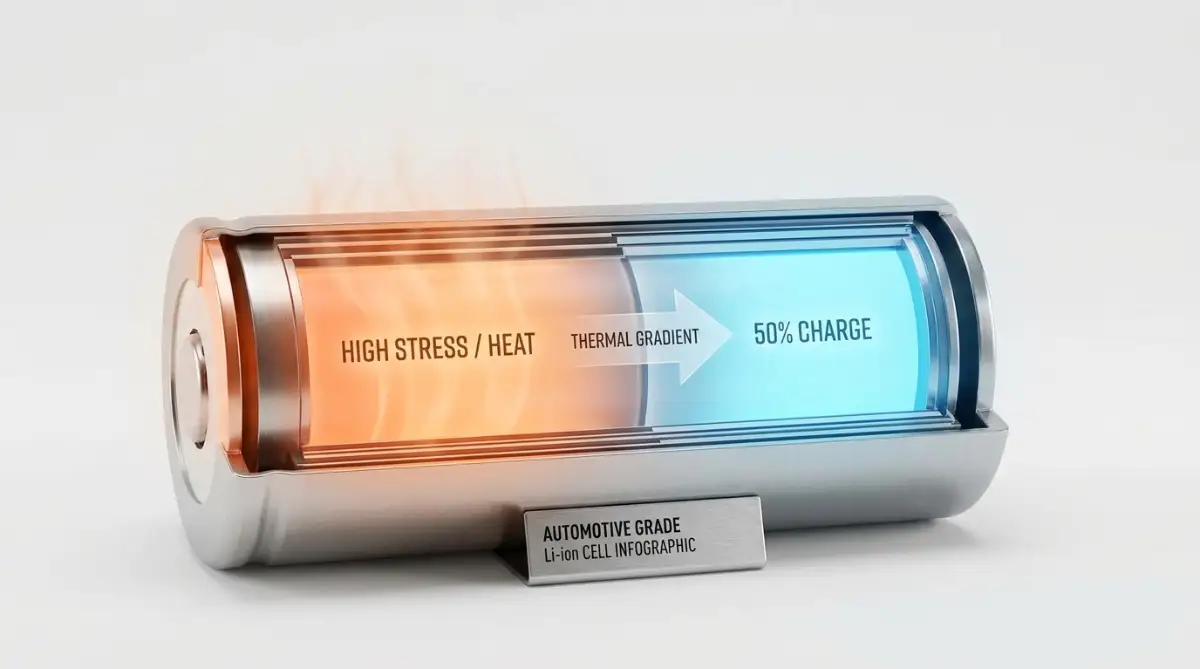
Many people don't realize that the on-board charger in your car also plays a role. Using a slower Level 2 charger at home is much better than using a high-powered DC station. The slower flow of electricity allows the heat to dissipate naturally without needing the car's cooling fans to work at maximum speed.
According to a study by the National Renewable Energy Laboratory (NREL), temperature control is the number one factor in battery life. By using pre-conditioning and slow home charging, you are controlling the temperature perfectly. This ensures your car remains a reliable tool for your daily life.
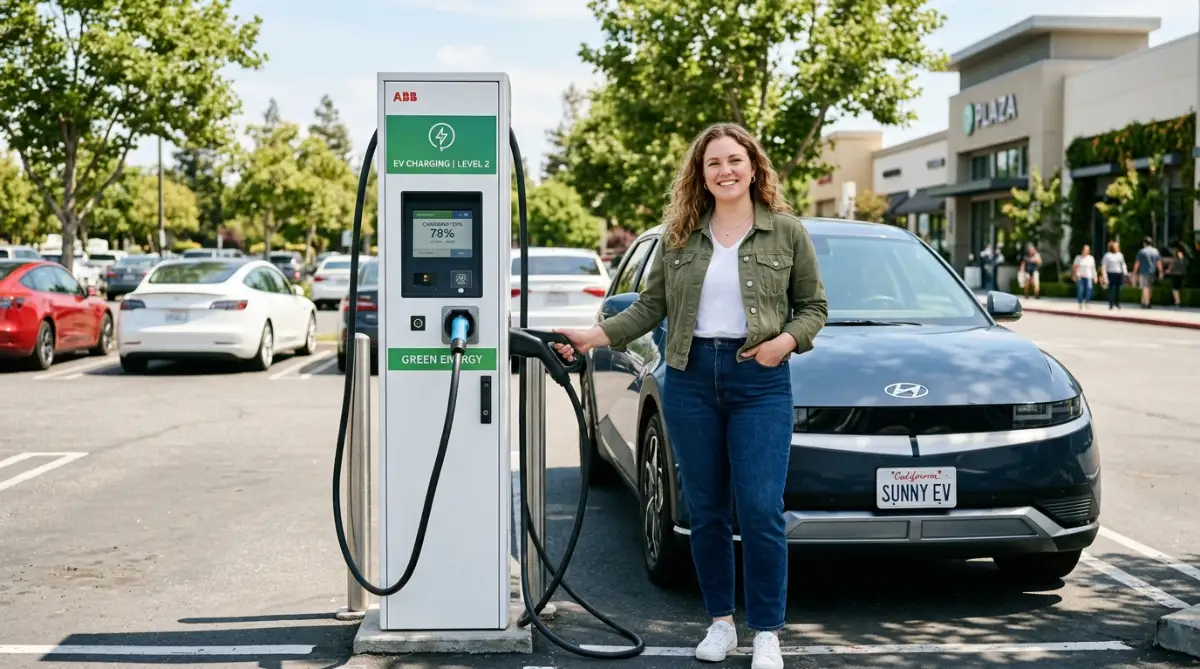 The Emotional Weight of Avoidable Battery Damage
It is a terrible feeling to watch your car's range slowly disappear. You start to feel a sense of regret, wondering if you made a mistake by going electric. This emotional stress often comes from small, daily errors that feel harmless in the moment but add up over time.
One of the most heart-breaking mistakes is the "Daily 100% Trap." You might feel safer having that extra 20% of range "just in case." But unless you are actually driving 200 miles today, that extra charge is sitting in your battery like a heavy weight. It is slowly crushing the internal cells through a process called "lithium plating."
When you realize that your "fear of running out" actually caused the battery to weaken, it feels like a personal failure. But it is not your fault; the industry often doesn't explain these details clearly. We have to be our own advocates for the machines we own.
Another common pitfall is Ignoring Tire Pressure. You might wonder what tires have to do with a battery. When your tires are low on air, the car has to work much harder to move. This puts a constant, heavy "draw" on the battery for every single mile you drive.
This extra load creates heat, and as we know, heat is the silent killer. It is much like making costly mistakes you are probably making when filing a health insurance claim. One small oversight in the details leads to a much bigger problem that costs you money later. Check your tires once a month to keep the load on your battery light and easy.
I have seen many owners get into the habit of Heavy Acceleration just because it feels fun. The instant torque of an electric car is addictive. But every time you floor it, you are asking the battery to dump a massive amount of energy in a split second.
This creates a "spike" in temperature that is very hard for the cooling system to manage instantly. Over time, these spikes create micro-cracks in the battery's structure. You are literally trading the long-term life of your car for a few seconds of excitement.
There is also the mistake of Daily Fast Charging. Some people don't have home charging, so they go to a high-speed station every morning. This is like eating fast food for every single meal. It is convenient, but it is slowly destroying the "body" of your car.
If you don't have a home charger, try to find a slower "Level 2" charger near your work or where you shop. Those slower sessions are much more nutritious for your battery's chemistry. Protecting your battery is a long-term game that requires you to look past the "quick and easy" options.
Neglecting these habits can lead to a drop in your car's resale value. When you go to sell your car, the buyer will check the "Battery Health" report. If that number is low, your car will be worth thousands of dollars less. It is a silent credit score killer for your automotive investment.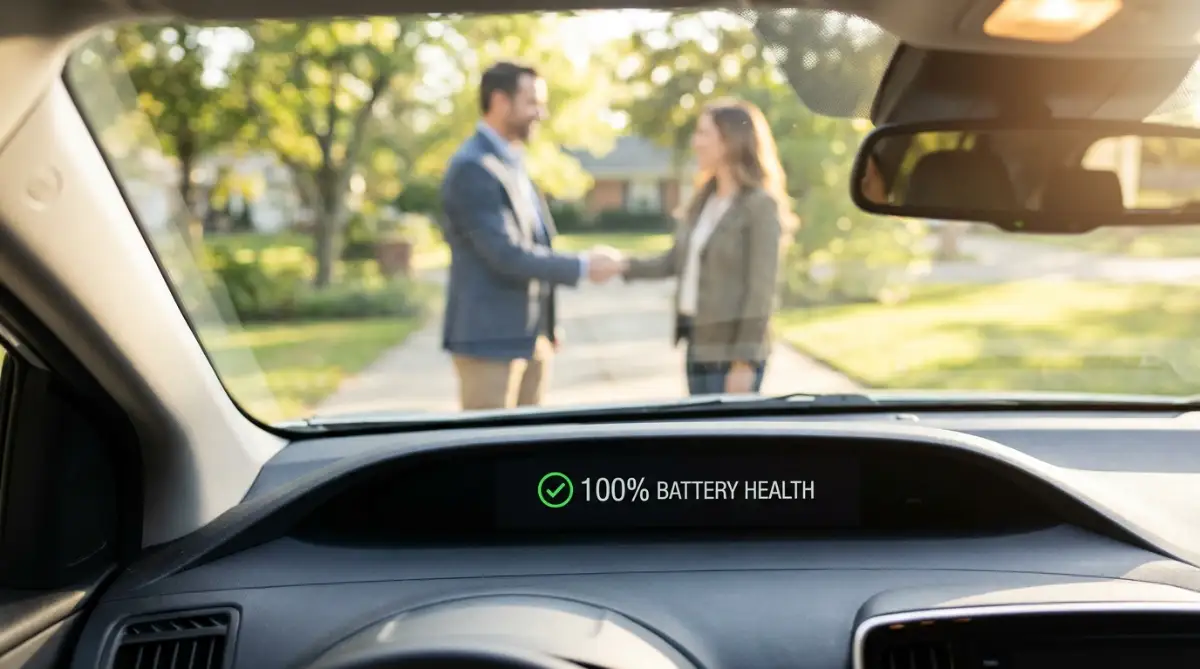
Don't let these mistakes steal your peace of mind. You have worked hard for your car, and you deserve to see it last. By being mindful of these pitfalls, you are staying ahead of the curve and protecting your financial future.
I’ve learned this the hard way: If you're going to park your car at the airport for a week while you're on vacation, never leave it at 100% or 5%. I once left mine at 95% in the summer heat, and the car's cooling fan ran so much it actually drained the battery even more. Aim for 50%—it's the 'rest state' your battery loves most.
Building a Future-Proof Road Plan
The journey to a long-lasting battery is not about being perfect every single day. It is about creating a routine that works for you and your machine. You are now part of a small group of owners who truly understand the science of their vehicle.
Think about how much money you are saving by avoiding a battery replacement. You are also helping the planet by making sure your car stays on the road instead of in a recycling center. Your discipline has a real, measurable impact on the world.
Start your new routine tomorrow morning. Set that 80% limit on your screen. Look for the shady spot in the parking lot. These small choices are the bricks that build a solid future for your electric vehicle.
You should feel proud of the care you are taking. Most people just drive and forget, but you are a true steward of your technology. This mindset of care will serve you well in all areas of your life, not just with your car.
If you ever feel overwhelmed by the technical side, just remember the "Sweet Spot." As long as you stay in the middle—not too hot, not too full, not too empty—you are doing great. Your car is designed to help you, and it will reward your care with thousands of miles of quiet, smooth travel.
We are living in an exciting time for transportation. The transition to electric power is a big shift, but you are handling it with expertise. Your car is a marvel of engineering, and you are the one who ensures it stays that way.
Take a deep breath and enjoy the ride. The road ahead is long, and your battery is ready for the challenge. You have the knowledge, the tools, and the habits to win the game of longevity.
For more guides on managing your high-tech life and staying ahead of the curve, visit HubNestify. We are here to help you navigate the modern world with simple, actionable advice.
So, what is your first move? Go check your charging settings right now. Your battery is waiting for that gentle 80% limit. Safe travels, and here is to many years of happy, healthy driving.
Learning to properly care for my electric car completely changed how I feel behind the wheel, turning my daily worry into pure driving joy. You hold the power to add years to your car's life right now, so go grab your phone or sit in your driver's seat and adjust that charge limit. You are going to feel so proud of yourself for taking control of your car's future today!
Legal Disclaimer: The information provided in this article is for educational and informational purposes only and should not be considered as professional automotive advice. Battery performance and longevity can vary based on the specific make, model, and age of your electric vehicle. Always consult your vehicle's owner manual and follow the manufacturer's official guidelines for battery care and maintenance. We are not responsible for any damage or loss resulting from the application of the tips shared in this blog.