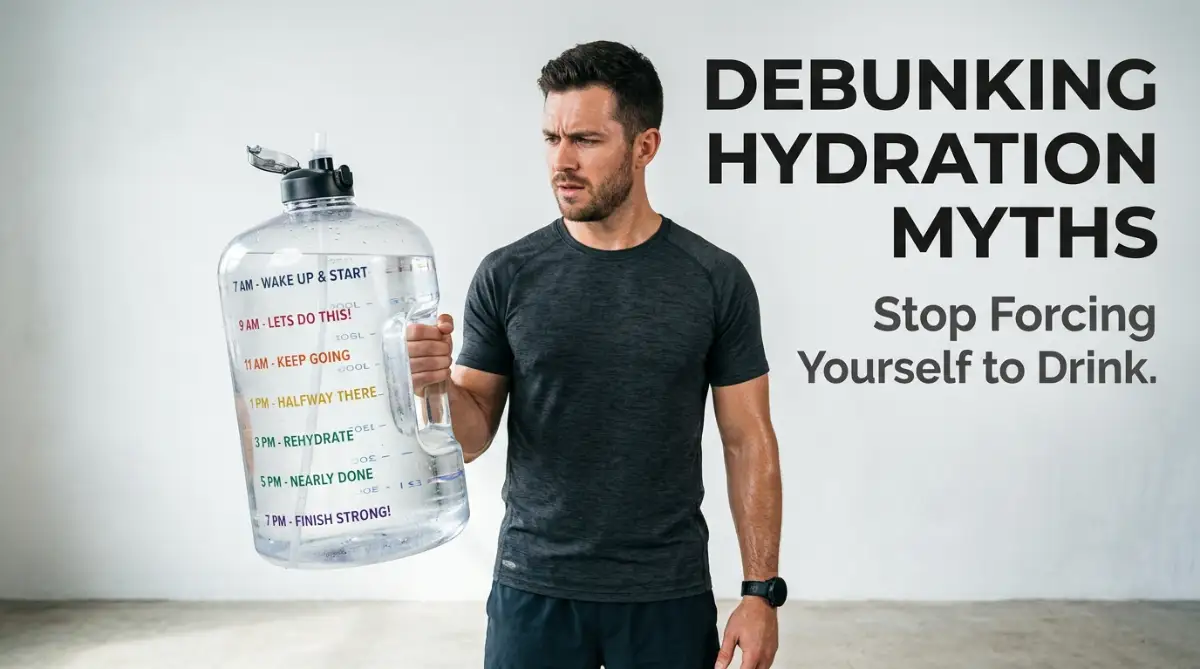
The Heavy Burden of the Gallon Jug
I used to drag a massive, neon-colored gallon jug of water everywhere I went, checking a mobile app every 20 minutes to make sure I was "on track." Instead of feeling healthy and glowing, I just felt constantly bloated, exhausted, and tied to the nearest bathroom. My doctor finally looked at my giant bottle and told me I was actually stressing my kidneys out for absolutely no reason. If you are tired of forcing yourself to chug water until you feel sick just because an influencer told you to, let me show you the actual science of hydration that will set you free.
But instead of feeling energized, I just felt constantly bloated, heavy, and exhausted all the time. One afternoon, my doctor casually looked at my massive water bottle and told me I was actually overworking my kidneys for absolutely no reason. That simple, quiet conversation completely shattered everything my teachers and parents had told me about drinking water.
This hydration anxiety is a silent struggle happening to millions of people every single day. You wake up and immediately force yourself to chug a massive glass of water, even when your stomach feels full. You spend your workday running to the restroom every forty-five minutes, completely ruining your focus and productivity.
People are walking around with a low-level fear of dehydration. We see influencers on social media carrying custom jugs that tell them exactly how many ounces they must consume by 2 PM. This creates a weird psychological pressure to drink even when our bodies are completely satisfied.
The mental peace we should have about our own health is constantly disrupted by arbitrary rules. You start questioning your own physical signals, wondering if a mild headache means you are dangerously dried out. We have turned a very basic, natural human function into a stressful, full-time job.

Your Quick Guide to Stress-Free Hydration
- The 8-Glass Myth is Fake: There is no medical study proving you need exactly 8 glasses a day. Your needs change constantly based on your daily activity and the weather.
- Clear Urine is Not the Goal: Totally transparent urine means you are over-hydrated and flushing out vital electrolytes. Pale yellow is the actual sign of perfect health.
- Coffee Actually Counts: The water used to brew your morning coffee easily cancels out the mild diuretic effect of caffeine. It completely counts toward your daily fluid intake.
- Stop Chugging at Night: Forcing down a liter of water at 10 PM will ruin your deep sleep cycles. Stop drinking heavy liquids two hours before bed.
The Truth Hiding Behind the "Eight Glasses" Rule
For decades, we have blindly accepted certain health rules without ever asking where they came from. When we look closely at the science of the human body, the narrative changes entirely. Your body is an incredibly smart machine that knows exactly how to maintain its internal balance.
We need to unlearn the forced habits that are causing us unnecessary stress. Let us look at the most famous water rules you learned growing up and see what modern science actually has to say about them.
Breaking Down the 8x8 Formula
Almost everyone knows the golden rule: you must drink eight 8-ounce glasses of water every single day to stay healthy. This advice is printed in magazines, taught in elementary schools, and repeated by fitness coaches.
However, if you search for the original medical study that proves this exact number, you will never find it. The history behind this rule is actually a massive public misunderstanding.
Back in 1945, the Food and Nutrition Board released a general guideline stating that adults need about 2.5 liters of water daily. But the public completely ignored the very next sentence in that report. The report clearly stated that most of this needed water is already found in our prepared foods.
People just saw the big number and assumed they had to drink it all in liquid form. Your actual fluid needs change every single day based on the weather, your activity level, and your body size. Forcing exactly eight glasses on a lazy, cold Sunday makes just as little sense as drinking only eight glasses after running a marathon in the summer heat.
The Clear Urine Obsession
Another massive source of daily anxiety is checking the color of your urine to measure your health. We are constantly told that if our urine is not completely clear, we are already failing at hydration.
This leads people to drink glass after glass until their trips to the bathroom produce water that looks exactly like tap water. But biologically speaking, completely clear urine is not a badge of honor.
When your urine is entirely transparent, it simply means your body is forcefully flushing out excess water it cannot use. Along with that water, you are flushing out important electrolytes like sodium and potassium.
The natural, healthy color of human urine is actually a pale, straw-like yellow. This color comes from a harmless pigment called urochrome, which your body naturally produces when it breaks down red blood cells. If your urine looks like pale lemonade, your hydration levels are absolutely perfect, and you can stop forcing yourself to drink.
The Myth That Thirst Means You Are Too Late
Have you ever heard the scary warning that "by the time you feel thirsty, you are already dangerously dehydrated"? This single sentence has caused more unnecessary water-chugging than anything else.
It makes you believe that your body's alarm system is fundamentally broken and operates on a dangerous delay. But human evolution did not survive for thousands of years with a broken thirst mechanism.
Your brain has a highly sensitive monitoring center called the hypothalamus. It constantly measures the exact concentration of sodium and other particles in your blood. When your blood concentration changes by just one percent, your brain instantly triggers the feeling of thirst.
At a one percent drop, you are nowhere near dangerous dehydration; you just need a normal drink. Think of thirst like a fuel gauge in your car. When the low fuel light comes on, the car does not immediately stop running in the middle of the highway. It is simply giving you an early, gentle reminder to pull over and refill at your convenience.
Does Your Morning Coffee Actually Dry You Out?
This is perhaps the most heavily debated topic in office breakrooms around the world. We are constantly told that coffee and tea are diuretics, meaning they make you lose more water than you actually consume.
Because of this, many people believe their morning cup of coffee completely cancels out their water intake. They feel guilty and try to "make up" for their coffee by drinking extra water later.
It is true that caffeine has a mild diuretic effect, which means it might make you need the restroom slightly sooner. However, the water used to brew that cup of coffee or tea easily replaces whatever small amount of fluid you lose.
Unless you are consuming massive amounts of highly concentrated caffeine pills, your daily coffee absolutely counts toward your total fluid intake.
If you still think your morning cup of coffee is secretly drying out your body, you need to hear what actual medical experts say about caffeine and fluid retention. Watch this highly informative breakdown below to finally stop feeling guilty about your daily coffee habit.
The Hidden Water in Your Meals
One of the biggest mistakes we make is completely ignoring the moisture hiding inside our daily meals. We treat food and water as two completely separate categories.
But nature actually packages a massive amount of high-quality water directly into our solid foods. When you eat a fresh apple, a bowl of soup, or a side of vegetables, you are actively hydrating yourself.
Some foods are basically just solid drinks. For example, cucumbers, watermelons, and strawberries are made up of over 90 percent water. Even a piece of baked chicken contains a surprising amount of moisture.
I used to think eating a fresh side salad was just a good way to get my vitamins. But I quickly realized it was basically the equivalent of drinking a massive glass of water in a much tastier form. Once I started eating more juicy fruits throughout the day, my constant feeling of dry mouth completely vanished without needing to carry a bottle everywhere.
Eat Your Water (High-Hydration Foods):
| Food Item | Water Content | Best Way to Eat It |
| :--- | :--- | :--- |
| Cucumber | 96% | Sliced with a tiny pinch of sea salt for electrolytes. |
| Watermelon | 92% | Chilled as a mid-afternoon snack to beat the heat. |
| Strawberries | 91% | Tossed into plain Greek yogurt for a protein-rich breakfast. |
| Spinach | 91% | Lightly sautéed or blended into a green morning smoothie. |
The Real Dangers of Overhydration
We talk so much about the risks of not drinking enough that we completely ignore the opposite end of the spectrum. Yes, drinking too much water is a very real and sometimes dangerous condition.
When you chug massive amounts of water in a short period, your kidneys simply cannot process the fluid fast enough. The excess water has nowhere to go, so it enters your bloodstream and dilutes the sodium levels in your body.
This condition is scientifically known as hyponatremia. Sodium is incredibly important because it helps regulate the fluid inside and outside of your cells. When your sodium drops too low, water rushes inside your cells, causing them to swell up like balloons.
While swelling in your muscles might just cause cramps, swelling in your brain can lead to severe headaches, confusion, and in extreme cases, medical emergencies. This usually happens to endurance athletes who panic and drink gallons of water during a race without replenishing their salt. You cannot simply treat your body like an empty bucket that needs to be filled to the brim every single hour.
Understanding Your Body's Sponge Effect
To really understand how hydration works, you need to change how you visualize your stomach and cells. Imagine your body is a dry kitchen sponge sitting on the counter.
If you take a heavy bucket of water and dump it all over the sponge at once, what happens? Most of the water simply splashes off the sides and creates a mess on the floor. The sponge cannot absorb that much volume that quickly.
Your digestive system works in a very similar way. If you realize you forgot to drink water all morning and suddenly chug a whole liter, your body cannot absorb it fast enough. It will simply send that excess water straight to your bladder, making you run to the bathroom twenty minutes later.
However, if you take that same sponge and slowly drip water onto it over a few hours, it will absorb every single drop and swell up perfectly. This is how you should treat your daily drinking habits. Taking small, consistent sips when you feel a dry mouth is far more effective than forcing down massive quantities out of guilt.
Mastering Your Body's Natural Fluid Balance
Now that we have completely shattered the old myths about forcing down gallons of liquid, you might be wondering what to do next. How do you actually know when to drink? Moving away from strict rules and apps can feel a little scary at first.
When you stop treating your body like a broken machine, staying healthy becomes incredibly easy. Let us explore the smartest, most practical ways to maintain perfect fluid levels without ever feeling bloated or stressed again.
The Magic of Electrolyte Synergy
Drinking plain water is only half of the hydration equation. If you are drinking large amounts of filtered or reverse-osmosis water, you are actually missing out on essential minerals. Your body needs a very specific balance of sodium, potassium, and magnesium to actually absorb moisture into your cells.
Think of electrolytes as tiny electrical messengers in your bloodstream. Without them, the water you drink just passes straight through your digestive tract and into your bladder. This is why you can drink five glasses of plain water and still feel like your mouth is completely dry.
To fix this, you simply need to pair your drinks with a tiny bit of natural salt. You do not need to buy expensive, sugary sports drinks from the grocery store. Just adding a tiny pinch of high-quality sea salt to your morning glass will completely change how your body absorbs the moisture. You can learn more about how specific minerals regulate your cellular health through the National Institutes of Health database.
My Personal 30-Second Electrolyte Recipe:
You do not need sugary blue sports drinks. Every morning, I squeeze half a fresh lemon into a glass of room-temperature water and add exactly one tiny pinch of pink Himalayan salt. The natural minerals in the salt act like a sponge, pulling the water directly into my cells instead of letting it pass straight through my bladder.
Eating Your Way to Better Hydration
We discussed earlier how fruits and vegetables contain massive amounts of hidden water. But you can actually structure your entire diet to make drinking liquids almost optional. People who live in hot, dry climates naturally eat foods that cool them down and hydrate them from the inside out.
Try to incorporate at least two highly watery foods into every single meal. Add cucumber slices to your lunch sandwich, or have a bowl of fresh berries as your afternoon snack. These foods release moisture slowly into your digestive system over several hours.
This slow release acts like a steady drip irrigation system for a houseplant, keeping you perfectly balanced all day long. This simple dietary shift completely eliminates the mid-afternoon brain fog caused by dry cells. It is one of the easiest ways to start fixing your broken morning routine and reclaiming your natural energy.
Listening to the "Micro-Signals" of Thirst
Most people wait until their throat feels like sandpaper before they decide to take a sip. But your body actually sends out much smaller, gentler signals long before extreme thirst hits. You just have to learn how to pay attention to these quiet biological whispers.
One of the first signs of mild fluid loss is a sudden drop in your physical energy. If you are sitting at your desk and suddenly feel sleepy or lose your train of thought, you might just need a drink. Mild dehydration causes your blood volume to drop slightly, which means less oxygen is reaching your brain.
Another hidden sign is craving sweet or salty junk food out of nowhere. Sometimes your brain confuses a lack of fluid with a lack of calories. The next time you feel a random sugar craving, try drinking a small glass of water and waiting ten minutes to see if the craving disappears.
Adjusting for Your Environment Daily
Your daily fluid needs are constantly shifting based on your environment. Following a rigid daily quota completely ignores how the world around you affects your skin and lungs. A cold, dry winter day indoors requires a completely different approach than a humid summer afternoon.
If you work in an office with heavy air conditioning, that artificial air is constantly pulling moisture right out of your skin. You are losing fluids just by breathing in that dry environment. Keeping a small humidifier on your desk is a brilliant way to stay hydrated without having to drink constantly.
If you decide to go for a heavy run, you obviously need to replace the sweat you lost. According to the guidelines published by the American College of Sports Medicine, weighing yourself before and after a heavy workout is the most accurate way to know exactly how much fluid you need to replace. You just drink to replace what you physically lost, nothing more.

The Dangerous Extremes of Forced Drinking
I have seen friends force themselves to follow insane water challenges they found on social media. They push their bodies past the point of comfort, completely ignoring physical pain just to hit an arbitrary goal. These extreme behaviors carry hidden dangers that nobody talks about.
If you do not recognize these pitfalls early, you could end up doing permanent damage to your internal organs. Let us look at the most dangerous mistakes people make when trying to perfect their daily fluid intake.
The "Chugging Before Bed" Disaster
One of the worst habits you can develop is trying to catch up on your daily water goal right before you go to sleep. You realize it is 10 PM, you feel guilty for not drinking enough, so you chug a massive liter of water in the kitchen. You think you are doing your body a favor, but you are actually destroying your restorative rest.
Your kidneys continue to process that fluid while you sleep, which guarantees you will wake up multiple times during the night. Waking up at 2 AM and 4 AM to use the restroom completely ruins your deep sleep cycles. You are trading your highly valuable physical recovery time for a completely unnecessary hydration goal.
When you ruin your sleep architecture, you wake up feeling incredibly groggy, anxious, and physically weak. This exhaustion is one of those hidden daily habits ruining your long-term goals without you even realizing it. To protect your sleep, you should completely stop drinking heavy liquids at least two hours before your bedtime.
Ignoring the Signs of Water Intoxication
We discussed hyponatremia earlier, but the early warning signs are incredibly easy to misread. People often confuse the symptoms of drinking too much water with the symptoms of being dehydrated. This confusion leads to a terrifying cycle that can end in a trip to the emergency room.
When your sodium levels drop from over-drinking, you will start to experience a dull, throbbing headache. You might also feel nauseous, dizzy, and unusually tired. Because these symptoms look exactly like dehydration, many people panic and decide to drink even more water to fix it.
Adding more plain liquid to a body that is already drowning in it causes the brain cells to swell dangerously. The medical experts at the National Kidney Foundation warn that untreated hyponatremia can cause seizures and even comas. You must stop relying on internet challenges and start respecting your body's limits.
Forcing a Robotic Routine on a Human Body
Your body is a dynamic, living organism, not a spreadsheet. When you force yourself to drink on a strict hourly schedule, you strip away your natural intuition. You end up sounding like a robotic system, forcing inputs and outputs without any regard for how you actually feel.
I used to set alarms on my phone every single hour to remind myself to drink. If the alarm went off and I was not thirsty, I would force the water down anyway. This created a terrible relationship with my own digestive system, leading to constant stomach cramps and poor digestion.
Your stomach needs strong, concentrated stomach acid to properly break down the meals you eat. When you flood your stomach with liquid right before or during a big meal, you dilute those digestive juices. This mistake causes severe bloating and prevents you from absorbing nutrients properly.
The "Dieting Trick" That Ruins Metabolism
Many popular weight-loss programs tell people to drink a massive glass of water every time they feel hungry. The idea is to trick your stomach into feeling full so you eat fewer calories. While this might stop you from eating a cookie in the short term, it is a disaster for your long-term metabolism.
Hunger is a biological signal that your body needs energy and raw materials to function. Water has absolutely zero calories, zero fats, and zero proteins. When you constantly drown your hunger signals in plain liquid, your body thinks it is starving.
In response, your metabolism slows down completely to conserve energy. You will eventually feel freezing cold, exhausted, and completely unmotivated to move. Just like making costly mistakes with your health policies, ignoring your hunger cues will eventually catch up with you and demand a heavy price.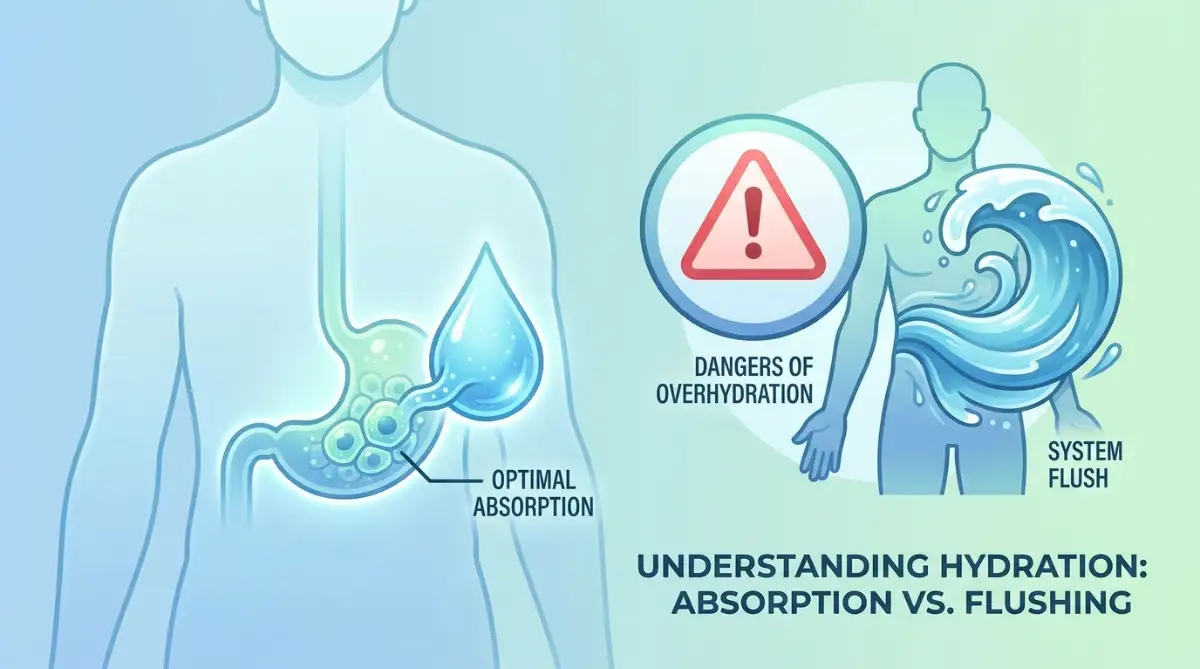
A Stress-Free Approach to Daily Wellness
We have completely unpacked the heavy baggage of the eight-glasses-a-day rule. The truth is incredibly liberating: you do not need to overthink this basic human function anymore. Your body has survived and thrived for a very long time using its own internal alarms.
You can finally throw away that massive, heavy gallon jug if it brings you anxiety. You can stop judging your health purely by the color of your bathroom breaks. You are now armed with the actual science of how your cells absorb moisture and process nutrients.
True health wellness is about flexibility, listening to physical cues, and eating a highly nutritious, water-rich diet. By trusting your natural thirst, you free up so much mental energy to focus on the things that actually matter in your life.
Your Action Plan for a Balanced Body
Instead of setting strict rules, try adopting these gentle guidelines starting today.
- Drink when thirsty: Let your mouth and throat tell you exactly when you need a liquid.
- Eat your water: Add cucumbers, strawberries, or tomatoes to your daily meals for natural hydration.
- Enjoy your coffee: Stop feeling guilty; your morning brew is part of your daily fluid intake.
- Salt your water: If you sweat heavily, add a tiny pinch of natural sea salt to your glass to replenish electrolytes.
- Protect your sleep: Stop drinking large amounts of liquids two hours before you go to bed.
I spent so many years forcing myself to drink until I felt physically sick, just because I wanted to be "healthy." The moment I finally let go of those arbitrary rules and started trusting my own body, my digestion improved and my daily anxiety vanished. I hope you give yourself permission today to simply drink when you are thirsty, knowing your body is incredibly smart and knows exactly what it needs.
Common Questions About Daily Water Intake
Do I need more water if I exercise heavily?
Absolutely, physical activity increases your body temperature and makes you sweat out vital fluids. You should take small, consistent sips during your workout to stay balanced. Afterward, make sure to drink enough to replace the sweat you lost, preferably with a little added sodium.
Is sparkling water just as hydrating as still water?
Yes, sparkling water provides the exact same level of hydration as regular tap or filtered water. The only difference is the added carbon dioxide gas that creates the bubbles. However, if you have a sensitive stomach, drinking too much carbonated water might cause some mild bloating.
Can drinking too much water cause weight gain?
Water itself has zero calories, so it cannot cause you to gain actual body fat. However, if you drink an excessive amount of liquid, your body will temporarily store that fluid. This can lead to a slightly higher number on the scale due to water weight, but it will disappear once your kidneys process it.
Does lemon water actually detox your liver and body?
Your liver and kidneys are highly advanced organs that naturally detox your body 24 hours a day. While lemon water is delicious and provides a nice boost of Vitamin C, it does not magically flush toxins out of your system. It is simply a very healthy and refreshing way to stay hydrated.
How can I tell if a sudden headache is from dehydration?
Dehydration headaches usually feel like a dull ache all over your head and get worse when you bend over or move quickly. If you have not had much to drink today, try having a glass of water and resting for twenty minutes. If the pain slowly fades away, it was likely just a signal that you needed fluids.
Disclaimer: The information provided in this blog post is for educational and informational purposes only and is not intended as medical advice. Always consult with a qualified healthcare professional or doctor before making significant changes to your diet, fluid intake, or exercise routines, especially if you have underlying kidney issues or medical conditions.