The Blue Glow That Steals Your Tomorrow
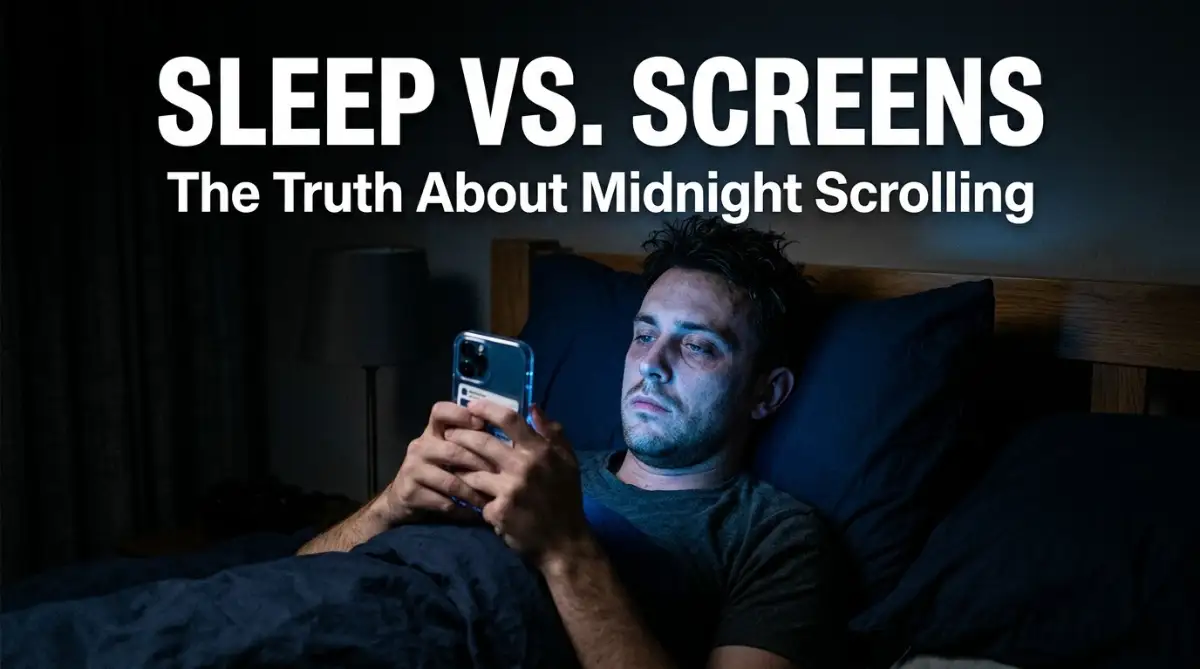
We all lie to ourselves around midnight. You tell yourself, "Just five more minutes," but then you look at the clock and it's 2:15 AM. You are exhausted, your eyes sting, but your thumb just keeps swiping. I spent years trapped in this exact cycle, waking up feeling like I got hit by a truck. If you are tired of feeling like a zombie every morning, let's talk about what that glowing screen is actually doing to your brain and how to stop it without throwing your phone out the window.
This is a story many of us live every single night. We feel a strange pull toward that glowing rectangle in our hands. We crave the next funny clip or the next update from a friend. But while we scroll, something silent and dangerous is happening inside our heads.
The next morning, the alarm feels like a physical blow to your chest. Your head feels heavy, your mood is low, and you reach for coffee just to feel human. This cycle of nighttime scrolling and morning exhaustion is not just a bad habit; it is a direct attack on your body's recovery system.
I know how it feels to be trapped in this loop. You want to sleep, but your thumb just keeps moving on the screen. The guilt you feel when you see the clock hit 2:00 AM adds to the stress, making it even harder to drift off. Your mental peace is slowly dissolving in that cold blue light.
I remember staring at my phone screen at 3:00 AM, my eyes burning and my head throbbing with a dull ache. I was deeply exhausted, but my thumb just kept swiping to the next video, as if I had completely lost control of my own hand. That terrible morning when I almost fell asleep at my work desk made me realize I was silently destroying my health, and I knew I had to make a real change.
We often ignore this because "everyone does it." But your body is paying a high price for these midnight sessions. You are not just losing time; you are losing the very foundation of your physical and mental health. Let’s look at why this happens and how you can finally break free.
The Sleep Fix Cheat Sheet
- Blue light kills melatonin: Looking at your phone at midnight tricks your brain into thinking the sun is still shining.
- You lose the deep sleep window: Staying up late robs your body of the heavy, physical repair cycles it desperately needs to stay healthy.
- The Dopamine Trap: Social apps are built to keep you swiping. It is not weak willpower; it is a chemical loop holding you hostage.
- Charge it somewhere else: The single easiest way to break the habit is to charge your phone in a completely different room overnight.
The Biological Clock: How Your Eyes Lie to Your Brain
Your body has an internal clock that has worked perfectly for thousands of years. It follows the sun. When the sun goes down, your brain knows it is time to start the "shutdown" process. This is called your circadian rhythm.
Inside your brain, a tiny part called the pineal gland starts making a hormone called melatonin. Think of melatonin as a chemical "nightcap." It tells every cell in your body to slow down, repair itself, and get ready for deep rest.
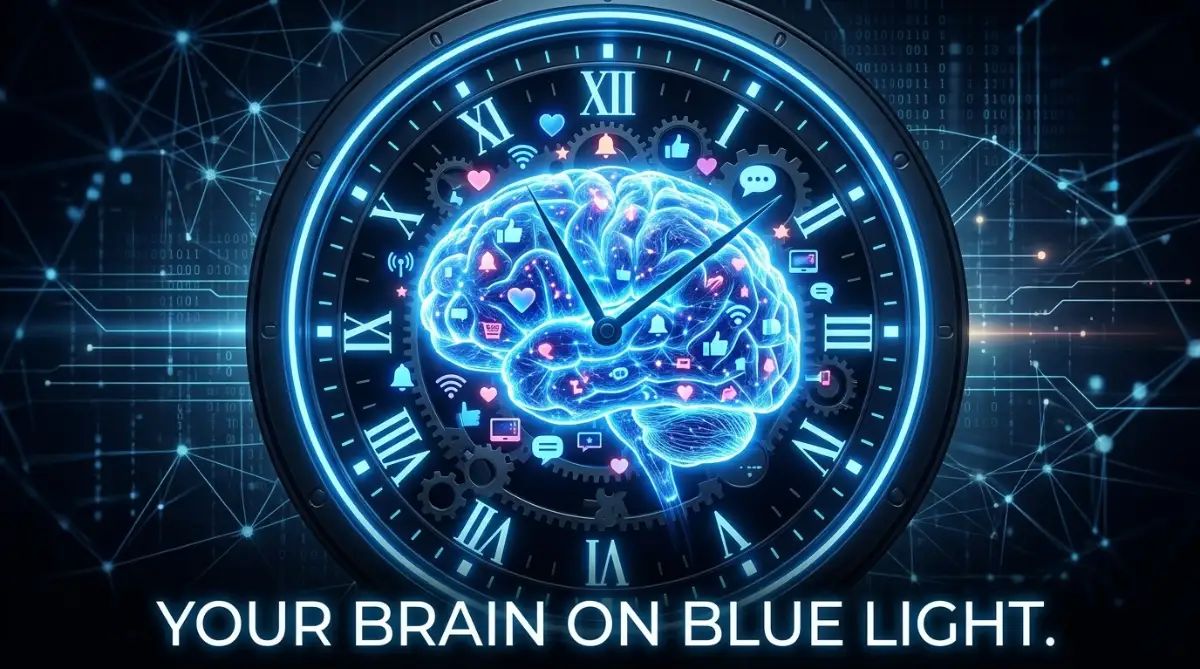
The problem is that your eyes are very sensitive to a specific kind of light called blue light. In nature, blue light only comes from the sun during the day. When you look at your phone at midnight, your eyes send a loud signal to your brain: "The sun is out! Wake up!"
Because of this fake sunlight, your brain stops making melatonin. It thinks it is the middle of the afternoon. Even if you manage to fall asleep after putting the phone down, your body is confused. It stays in a light, restless state instead of dropping into the deep, healing sleep you need.
The Stages of Sleep and the "Deep Sleep" Thief
Sleep is not just one long block of time. It happens in cycles. Each cycle has different stages, but the most important one for your health is Deep Sleep (also known as slow-wave sleep).
During deep sleep, your body does some amazing things:
- It repairs your muscles and tissues.
- It cleans out waste products from your brain.
- It strengthens your immune system.
- It processes your memories and emotions.
When you scroll late at night, you push back your sleep time. This shrinks the window for these cycles to happen. Most of your deep sleep occurs in the first half of the night. By scrolling past midnight, you are literally cutting off the most restorative part of your rest.
If you miss out on deep sleep, you might wake up "on time," but you will feel like you haven't slept at all. This is why you feel foggy, grumpy, and unable to focus at work. You are operating on a low battery because you didn't give your brain the time to recharge.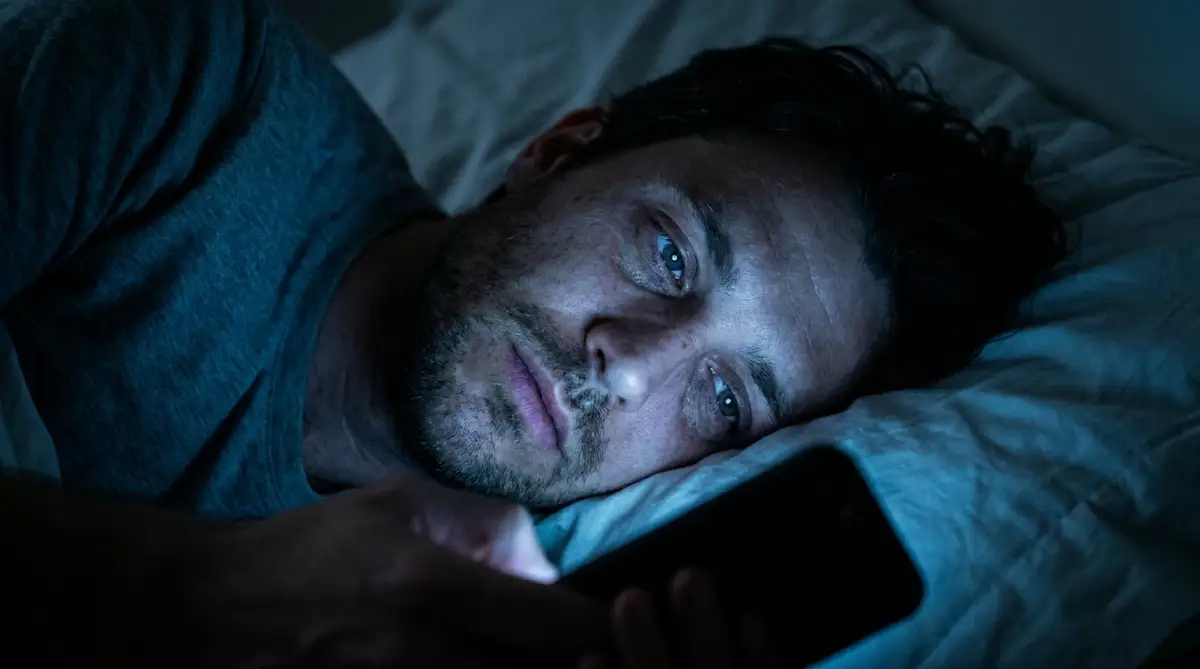
The Dopamine Loop: Why One More Video is Never Enough
Have you ever wondered why it is so hard to just stop? The apps on your phone are designed by experts to be addictive. They use something called the Dopamine Loop.
Dopamine is a chemical in your brain linked to reward and "seeking." Every time you see a new "like," a colorful image, or a surprising news headline, your brain gets a tiny hit of dopamine. It feels good, and your brain wants more.
At night, your willpower is lower because you are tired. This makes it almost impossible to resist the "infinite scroll." You aren't looking for anything specific anymore; you are just hunting for that next dopamine hit.
This constant stimulation keeps your brain in a state of high alert. Instead of relaxing, your mind is processing information, reacting to emotions, and staying ready for the next "hit." This is the opposite of what should happen before bed.
Want to see exactly how your brain reacts to late-night screen time and why social media apps are so incredibly hard to close? Watch this short, eye-opening video below, and then keep reading to discover the simple steps you can take to easily reclaim your sleep!
The Silent Impact on Mental Health and Mood
Midnight scrolling doesn't just affect your body; it changes how you feel about life. When you stay up late looking at other people’s "perfect" lives on social media, you often feel a sense of lack. This can lead to anxiety and low self-esteem.
Because your brain hasn't had enough deep sleep, it cannot regulate your emotions properly the next day. You might find yourself getting angry over small things or feeling sad for no clear reason. Your brain's "emotional filter" is broken due to lack of rest.
Over time, this can lead to a more serious feeling of burnout. You feel like you are running on a treadmill that never stops. The simple act of putting down your phone can be the first step in reclaiming your happiness.
Steps to Reclaim Your Night: Creating a Digital Boundary
The good news is that you can fix this. You don't have to throw your phone away. You just need to set some smart boundaries.
Establishing a "Tech Sunset"
Think about setting a time every night when all your screens go dark. I suggest at least one hour before you want to sleep. This gives your brain time to realize that the "sun" has finally set.
Instead of scrolling, try these activities:
- Read a physical paper book (not a screen).
- Write in a journal about your day.
- Listen to soft music or a calm podcast.
- Do some light stretching.
My Go-To Strategy: The 3-2-1 Sleep Rule
If setting a hard "tech sunset" feels impossible, try this simple countdown:
- 3 hours before bed: No more heavy meals or alcohol.
- 2 hours before bed: Stop doing stressful work or checking emails.
- 1 hour before bed: All screens go off. Read a paper book, take a warm shower, or just talk to your family. It works like magic to settle your brain down.
Using "Warm Light" Settings
If you absolutely must use your device, turn on the "Night Shift" or "Blue Light Filter" mode. This changes the screen colors to warmer tones like orange and red. While this is not as good as avoiding the screen entirely, it is much better than the harsh blue light.
Creating a "Phone Parking Lot"
Don't charge your phone right next to your bed. If it is within arm's reach, you will grab it the moment you can't sleep. Charge your phone in another room or across the bedroom.
If you use your phone as an alarm clock, buy a cheap, old-fashioned alarm clock instead. This removes the temptation to check "just one thing" before you get out of bed in the morning or late at night.
For a long time, I made the huge mistake of keeping my phone on my nightstand, convincing myself I only needed it for the morning alarm. I finally realized that simply moving my charger to the kitchen completely broke my late-night scrolling habit overnight. When your phone is physically in another room, your tired brain will naturally choose sleep over getting out of a warm bed to fetch it.
Comparison: Scrolling vs. Sleeping
Activity Impact on Brain Impact on Morning
Midnight Scrolling High Dopamine, Low Melatonin Brain Fog, Irritability, Tiredness
Reading a Book Low Stimulation, High Melatonin Mental Clarity, Higher Energy
Complete Darkness Maximum Recovery, High Melatonin Refreshed, Strong Immune System
The Habit of "Revenge Bedtime Procrastination"
There is a psychological term for why we do this: Revenge Bedtime Procrastination. If you feel like you have no control over your life during the day because of work or chores, you "take revenge" at night.
You stay up late because it is the only time you feel in control of your time. But this is a false sense of control. By staying up late, you are actually losing control of your health and your energy for the next day.
Real control means choosing to rest so you can win the next day. It means realizing that the video will still be there tomorrow, but your health is something you can't always get back so easily.
Expert Insight: The Connection Between Sleep and Weight
Science shows that lack of deep sleep can even lead to weight gain. When you don't sleep enough, your body makes more ghrelin (the hunger hormone) and less leptin (the hormone that tells you that you are full).
This is why you often crave sugary snacks late at night or the day after a bad night's sleep. Your phone is indirectly making you hungrier. By fixing your sleep cycles, you might find it much easier to maintain a healthy weight.
What Happens When You Stop?
When you stop midnight scrolling, the changes happen fast. Within just a few nights, you will notice that you fall asleep much quicker. You will start to have more vivid dreams, which is a sign of healthy REM sleep.
Most importantly, you will wake up feeling a sense of "lightness." The morning fog will start to lift. You will have more patience for your family and more focus for your work. You are giving your brain the gift of silence, and it will thank you with energy.
The road to better health is paved with good sleep. It is the most natural medicine we have. Don't let a small screen steal the big life you deserve.
Expert Strategies to Reset Your Brain and Body for Better Sleep
Stopping the midnight scroll is the first big move, but you can do even more to help your body recover. We need to think about sleep as a full-day process, not just something that happens when you close your eyes. Your body follows a rhythm that starts the moment you wake up in the morning.
One of the best secrets I can share is the power of morning sunlight. If you want to sleep well at night, you must see bright light as soon as you wake up. This light tells your internal clock that the day has started. It sets a timer in your brain to release melatonin about fourteen hours later.
Try to get outside for at least ten minutes every morning. Even if it is cloudy, the natural light is much stronger than any indoor bulb. This simple habit helps fix your sleep cycles better than almost any medicine. It is a natural way to keep your biological clock on track without spending a penny.
Another pro-level tip is to watch the temperature of your bedroom. Your body needs its core temperature to drop to fall into a deep sleep. If your room is too hot, your brain will stay in a light, restless stage. Most experts suggest keeping your room around 65 degrees Fahrenheit (18 degrees Celsius).
You can think of your body like a computer. If it gets too hot, it cannot run the deep cleaning programs it needs to stay healthy. A cool room acts like a cooling fan for your brain. This allows your "Glymphatic System" to start cleaning out toxins while you rest.
I also suggest looking at your magnesium levels. This mineral is often called "Nature's Relaxant." It helps calm your nervous system and makes it easier for your muscles to let go of tension. You can find it in foods like spinach, pumpkin seeds, and almonds.
Eating these foods for dinner can prepare your body for a peaceful transition to sleep. It is like giving your nervous system a gentle pat on the back. When your body feels physically relaxed, the urge to scroll for dopamine starts to fade away.
If you struggle with a racing mind, try a technique called "Brain Dumping." Keep a notebook by your bed. Before you lie down, write down every worry, task, or thought in your head. Once it is on paper, your brain feels it is "safe" to stop thinking about it.
This prevents that late-night anxiety that often leads us back to our phones. It is a way to tell your mind that you are in control. Just like the ultimate beginner's blueprint to decoding term life coverage terminology helps you understand complex insurance, a brain dump helps you make sense of your messy thoughts.
Lastly, pay attention to your afternoon caffeine. Caffeine stays in your system for a very long time. Even if you drink coffee at 3:00 PM, half of it might still be in your brain at 9:00 PM. This blocks the chemical that tells you that you are tired.
Try to stop drinking caffeine by noon. This ensures that your brain is truly ready for rest when the sun goes down. Small changes in your diet can have a huge impact on how fast you fall into that deep sleep state.

Common Traps That Sabotage Your Sleep Progress
Even when we try our best, we often fall into traps that keep us tired. One of the biggest mistakes is trusting "Night Mode" or blue light filters too much. While these filters help, they are not a free pass to scroll for hours.
The light is only part of the problem. The content you see is also keeping you awake. If you read a piece of news that makes you angry or see a photo that makes you feel jealous, your heart rate goes up. Your body releases cortisol, which is the "stress hormone."
Cortisol and sleep do not get along. If your cortisol is high, your deep sleep will be low. It is an emotional trap that no blue light filter can fix. We must be honest about how the things we see online affect our peace of mind.
Another major pitfall is checking your phone "just once" if you wake up in the middle of the night. You might think looking at the time or checking one notification is harmless. But the bright light and the new information instantly reset your brain to "daytime mode."
This makes it nearly impossible to get back into the deep sleep cycles you need. If you wake up, keep the lights off and try to stay in the "sleep zone." Avoid the temptation to see what the world is doing while you should be resting.
Some people also make the mistake of using their bedroom as an office. If you work or eat in bed, your brain stops associating the bed with sleep. It starts to see the bed as a place of activity and stress. This is a psychological barrier that can lead to chronic insomnia.
Keep your bed for sleep and rest only. This creates a strong mental link that says "Bed = Sleep." When you lie down, your brain will automatically start to power down. This is a simple but powerful change in your environment.
Quick 60-Second Bedroom Audit
Look around your room tonight. Are you accidentally keeping your brain awake?
- The Charger Trap: Is your phone cord plugged in right next to your pillow? Move it to the bathroom or kitchen.
- The Temp Check: Is the room warmer than 68 degrees? Turn on a fan or drop the AC.
- The Light Leak: Can you see the glowing lights from your TV, router, or streetlamps? Put black tape over the little LED lights and get cheap blackout curtains.
Relaxing into sleep is better than trying to force it. Sleep is a natural gift, not a job you have to do perfectly every night. If you have one bad night, don't let it ruin your whole week. Just get back to your routine the next day.
Lastly, be careful with late-night exercise. While moving your body is great, doing a heavy workout right before bed raises your body temperature and your adrenaline. This can keep you wide awake for hours. Try to finish heavy exercise at least three to four hours before you plan to sleep.
Building a Brighter Future with Restorative Sleep
Reclaiming your sleep is one of the best things you can do for your future. When you sleep well, you are a better friend, a better worker, and a happier person. You are giving your brain the silence it needs to stay sharp and creative.
Think about how much more you can achieve when you wake up with real energy. You won't need to fight through the day with coffee and sugar. You will have the mental strength to handle whatever life throws at you. Your sleep is the foundation of your entire life.
I want to encourage you to start your new routine tonight. Don't wait for the "perfect" time to change. Just put the phone away a little earlier than usual. Feel the softness of your pillow and the quiet of the room.
The internet will still be there in the morning. All those videos, posts, and news stories aren't going anywhere. But your health and your peace are precious. They deserve your protection.
You have the knowledge now. You understand the science and the steps you need to take. According to the National Sleep Foundation, consistency is the most important part of sleep health. Try to go to bed and wake up at the same time every day, even on weekends.
If you want more tips on living a healthy and balanced life, check out HubNestify for more guides. We believe that small changes lead to big results. You are in control of your habits, and your habits create your health.
Take a deep breath. Turn off the screen. Let the darkness help you heal. You are doing something wonderful for yourself, and you will feel the difference as soon as the sun rises tomorrow.
The road to a better life starts with a single night of good sleep. I am cheering for you as you take this step. You deserve to wake up feeling amazing every single day.
Goodnight, and sleep well. Your best self is waiting for you in the morning.
Breaking the midnight scrolling habit was honestly the best gift I ever gave my mind and body. I promise that if you just leave your phone outside your bedroom tonight, you will wake up tomorrow feeling a kind of natural, happy energy you haven't felt in years. Turn off that screen, take a deep breath, and get ready to finally take your life back.
Disclaimer: The information provided in this blog is for educational purposes only and is not intended as medical advice. Always consult with a healthcare professional or a sleep specialist before making significant changes to your health routine or if you suffer from chronic sleep disorders like sleep apnea or severe insomnia. These tips are general and may not apply to everyone's specific medical situation.