The Weight of the Green Choice
I used to feel like a superhero every time I drove past a gas station in my EV. But then, a friend sent me a photo of a massive lithium mine and asked, 'Is your car really any better for the earth?' Honestly, it stopped me in my tracks. If you’ve ever felt that same guilt or confusion after seeing a scary headline, let’s sit down and look at the real numbers together—no sugar-coating allowed.
Someone shared a picture of a massive hole in the ground. They claimed that mining for your car's battery is worse for the planet than burning oil. Suddenly, that feeling of pride turned into a heavy knot of guilt in your stomach. You started to wonder if you were lied to.
I remember the exact day I brought my first electric car home, feeling so happy about never buying gas again. But that same evening, a family member sent me a viral video showing a massive, ugly lithium mine, telling me my new car was actually destroying the earth. I honestly felt sick to my stomach and spent the next three nights wide awake, frantically researching to see if I had made a huge mistake.
This is a struggle many people face today. We want to do the right thing for our children and the future. But the information we see online is often confusing and full of anger. The mental stress of trying to be "perfectly green" is exhausting.
We need to look past the scary pictures and the loud arguments. We need to talk about the real numbers and the real science. You deserve to know the truth about what it takes to build and throw away an electric car. Let's clear the air and look at the facts together.
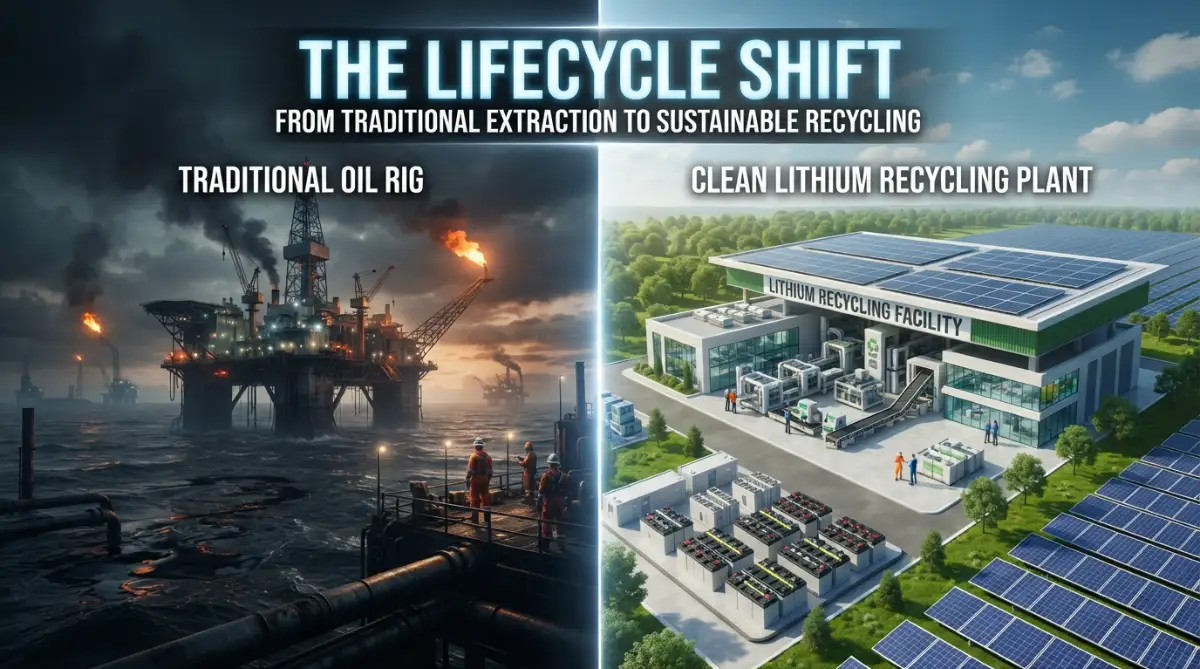
✅ The EV Footprint: Real Talk
- Yes, making them is harder: Building an EV battery creates more CO2 upfront than a gas car.
- The 'Debt' gets paid back: Most drivers 'break even' within the first 15,000 to 20,000 miles.
- Recycling is real: We don't just toss batteries; we can now save over 95% of the materials inside them.
- Second Life: Even when a battery is too weak for a car, it can power a home for another 10 years.
The Dirty Secret of the Starting Line
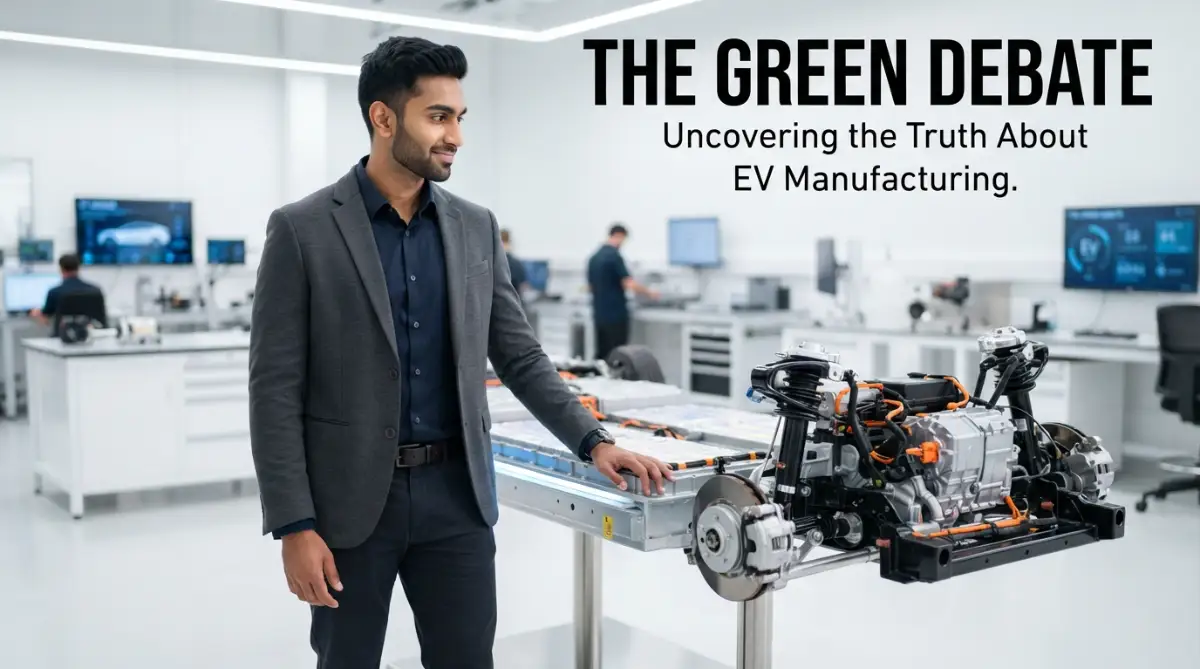
It is a fact that making an electric car creates more pollution than making a gas car. This is the "starting debt" that every EV carries when it rolls out of the factory. Most of this pollution comes from the battery.
Building a battery requires mining for materials like lithium, cobalt, and nickel. This process uses a lot of energy and can be hard on the local environment. Factories also need a massive amount of electricity to turn these rocks into high-tech cells.
If you only look at the first day of a car's life, the gas car looks "cleaner." But this is like judging a marathon by the first ten steps. A car's life lasts for many years and thousands of miles.
We have to ask: how long does it take for the EV to pay back its "carbon debt"? Science tells us that once the car starts driving, the math begins to change very quickly. The tailpipe of a gas car never stops adding to its footprint.
⏱️ The 'Green' Payback Clock
How long do you have to drive before your EV becomes cleaner than a gas car? It depends on your power grid:
- If you live in a place with mostly Wind/Solar: About 6 to 10 months.
- If your grid is an average mix of gas/coal: About 1.5 to 2 years.
- If your grid is 100% Coal (rare): About 5 to 6 years.
- The good news? Most people hit that 'break-even' point way faster than they think!"
The Tipping Point: When the EV Wins the Race
Most studies show that an electric car becomes cleaner than a gas car after about one to two years of driving. This depends on where you live and how your local power is made. Even if your power comes from coal, the EV usually wins in the long run.
Electric motors are incredibly efficient at turning energy into motion. A gas engine wastes about 70% of its fuel as heat. An electric motor uses almost 90% of its energy to move the wheels.
Over the life of the vehicle, the EV will save tons of greenhouse gases. The "dirty" start is a one-time cost. The savings are a daily benefit that grows every time you drive.
Think of it like an investment. You pay a higher price at the start to get a much better return later. The longer you own the car, the better it is for the world around you.
Myth vs. Reality: The Mining Debate
Expert Insight: The Energy Mix Matters
I often hear people say that EVs are "coal-powered cars" in some states. While it is true that some grids use more coal, the grid is getting cleaner every day. A gas car will always be a gas car.
Old power plants are being replaced by wind, solar, and natural gas. As the grid gets cleaner, your EV gets cleaner too. Your car actually improves its environmental footprint over time without you doing a thing.
This is a unique feature of electric transport. You are plugged into a system that is actively moving toward a better future. You are part of a growing web of clean energy.
The Real Story of Battery Recycling
One of the biggest fears is that we will have millions of dead batteries sitting in trash heaps. This is a scary thought, but it is not what is happening.
Used batteries are far too valuable to just throw away. They are essentially "urban mines." It is much easier and cheaper to get lithium from an old battery than from a rock.
Companies are already building massive recycling centers that can shred old batteries. They use magnets and chemicals to pull out the copper, cobalt, and lithium. These materials can then be used to build a brand-new battery.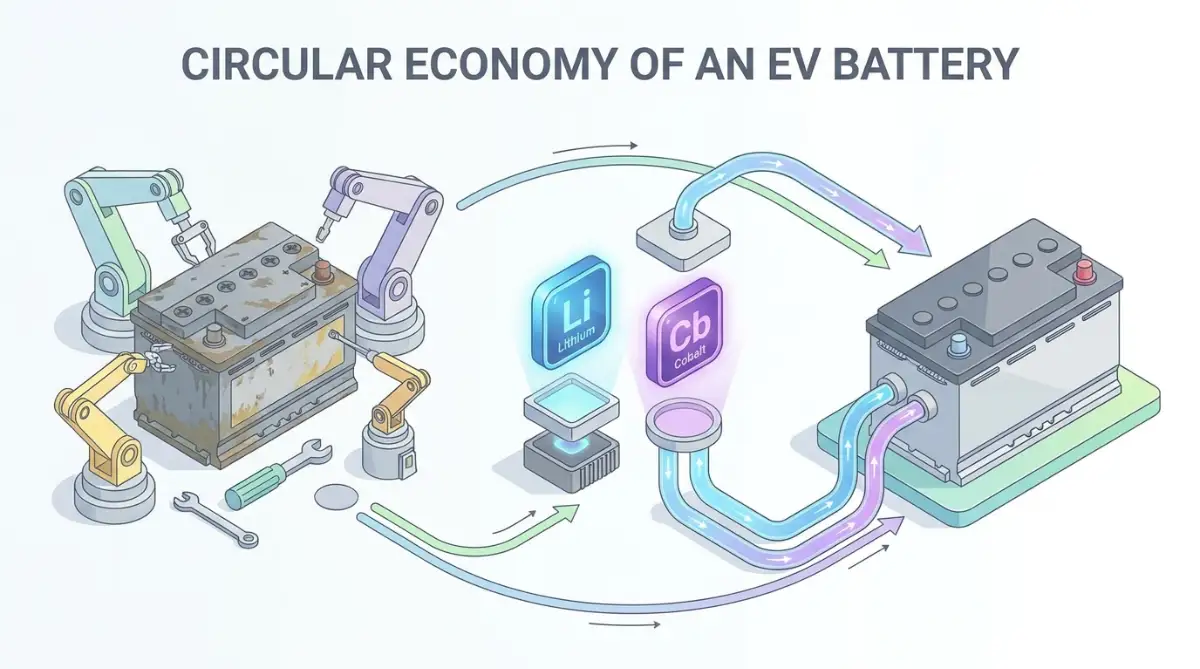
This is called a "circular economy." Instead of digging a new hole for every car, we use the same materials over and over. We are moving toward a world where we don't need to mine as much at all.
If you are still worried about millions of old batteries ending up in landfills, I highly recommend watching this amazing short video right now. It clearly shows exactly how these massive recycling centers pull out the valuable metals to build brand-new batteries, making this whole circular process so much easier to understand!
The "Second Life" Strategy for Old Power
Before a battery is recycled, it often has a "second life." When a battery is too weak for a car, it still has about 70% of its capacity. This is perfect for stationary storage.
These old batteries can be stacked together to store energy from solar panels. They can help power homes or schools during the night. They act as a giant battery for the whole neighborhood.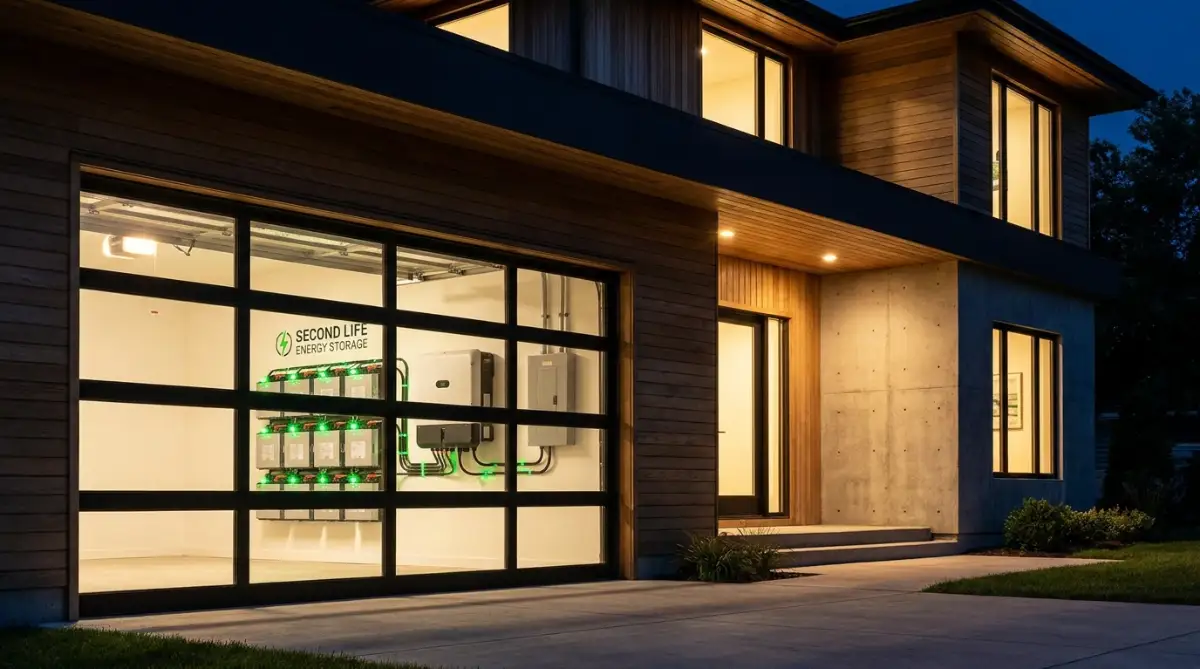
This extends the life of the battery by another ten or fifteen years. By the time it finally goes to the recycling plant, it has done a massive amount of work. The environmental cost per year becomes very small.
This is a key part of making the whole system sustainable. We don't just use things and toss them. We find every bit of value we can before we start over.
Small Habits for a Smaller Footprint
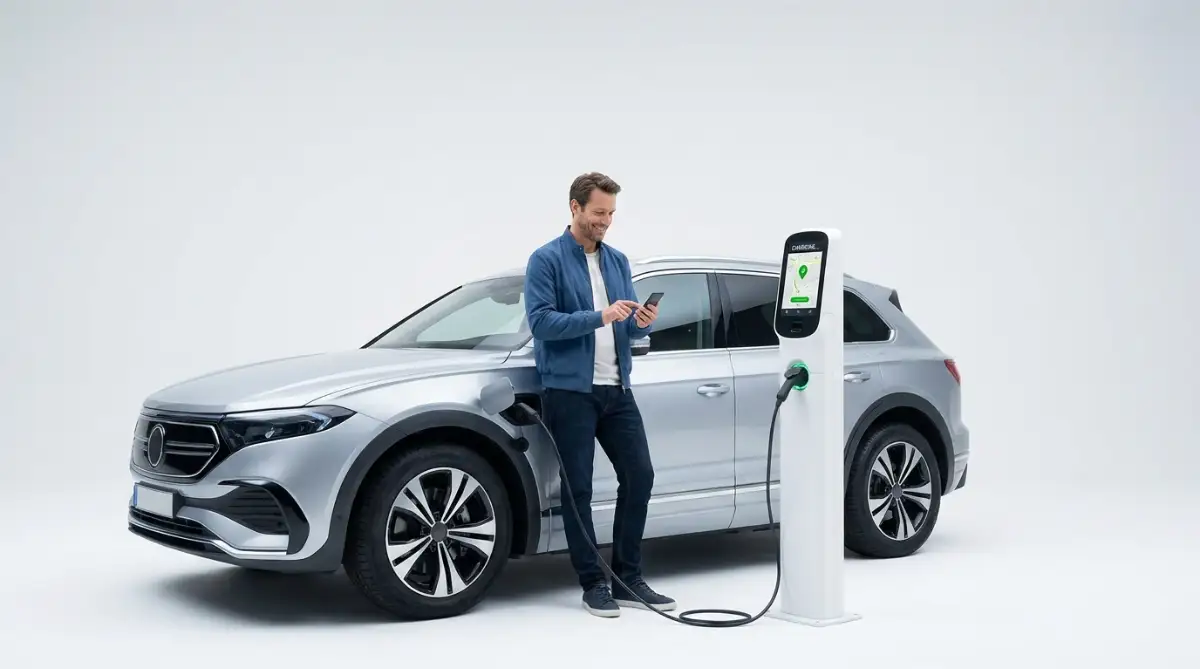
If you want to make your EV even cleaner, you can change how you charge. Try to charge your car when the sun is shining or the wind is blowing. Many apps can tell you when your local power is the "greenest."
Charging during these times means you are using "surplus" clean energy. This reduces the need for the grid to turn on extra power plants. It is a simple way to be an even better stewardship of the planet.
I’ve learned a simple trick: I use a free app called 'Electricity Maps.' It shows me exactly when my local grid is using the most sun and wind. I set my car to charge during those hours. It feels pretty cool knowing my car is literally running on sunshine that would have otherwise gone to waste!
Also, take care of your battery so it lasts longer. Avoid letting it sit at 100% or 0% for long periods. A battery that lasts 20 years is much better than one that only lasts 10.
Staying informed is your best tool. Don't let a single picture or a loud video change your mind. Look at the big picture and the long-term data.
The Logical Conclusion of the Energy Shift
The world is moving away from burning things to make them move. This is a massive change, and it won't be perfect on day one. But every step forward is a step away from a much bigger problem.
Electric vehicles are a powerful tool for a cleaner future. They are not a magic fix, but they are a significant improvement over what we had before. The footprint is real, but it is shrinking every single day.
You can drive your EV with confidence knowing that you are on the right side of history. You are helping to build the demand for recycling and clean energy. Your choice matters more than you think.
Pro Tip: How to Read Environmental Reports
When you see a report about EV impact, always look for the "Lifecycle Analysis" (LCA). This is the only way to see the full story from mining to driving to recycling. Reports that only focus on manufacturing are only giving you 10% of the truth.
Look for data from trusted groups like the International Council on Clean Transportation or the Union of Concerned Scientists. These groups look at the whole picture without trying to sell you something. Knowledge is the best shield against fear.
I also suggest following the progress of new battery types like "Solid State." These future batteries will use fewer rare materials and will be even safer and cleaner. The technology is evolving faster than the myths can keep up with.
Stay curious and keep asking questions. The more we know, the better choices we can make. The road to a clean future is paved with facts, not fear.
Mastering the Art of Sustainable EV Ownership
Owning an electric car is more than just driving without gas. It is about becoming a manager of a high-tech energy system. If you want to make sure your car is as green as possible, you need to look at how you use it every single day.
One pro-level secret is the concept of "Charging for the Grid." Most people plug their cars in as soon as they get home from work. But this is often the time when the electrical grid is under the most stress.
If everyone charges at 6:00 PM, power plants have to work harder to keep up. This usually means they turn on "peaker plants" that often burn more coal or gas. By waiting until late at night to charge, you are using cleaner, more stable energy.
You should also look into your car's Charge Limit Settings. A common mistake is charging to 100% every single night. This is bad for the chemical health of your battery and leads to faster wear.
Think of your battery like a rubber band. If you stretch it to the absolute limit and hold it there, it eventually loses its snap. By keeping your battery between 20% and 80%, you ensure it stays strong for much longer.
During my first few months of owning an EV, I made the terrible mistake of plugging it in every single night to hit 100%, treating it exactly like my smartphone. I quickly noticed my total range dropping, and I realized that forcing the battery to sit at maximum charge was secretly burning it out. Now, I always set my car's charging limit to 80% for my daily drive, which completely stopped that early battery wear.
This habit is a key part of stopping EV battery drain with simple daily habits. A healthy battery means you won't need to replace it for a long time. The longer your battery lasts, the smaller its environmental footprint becomes.
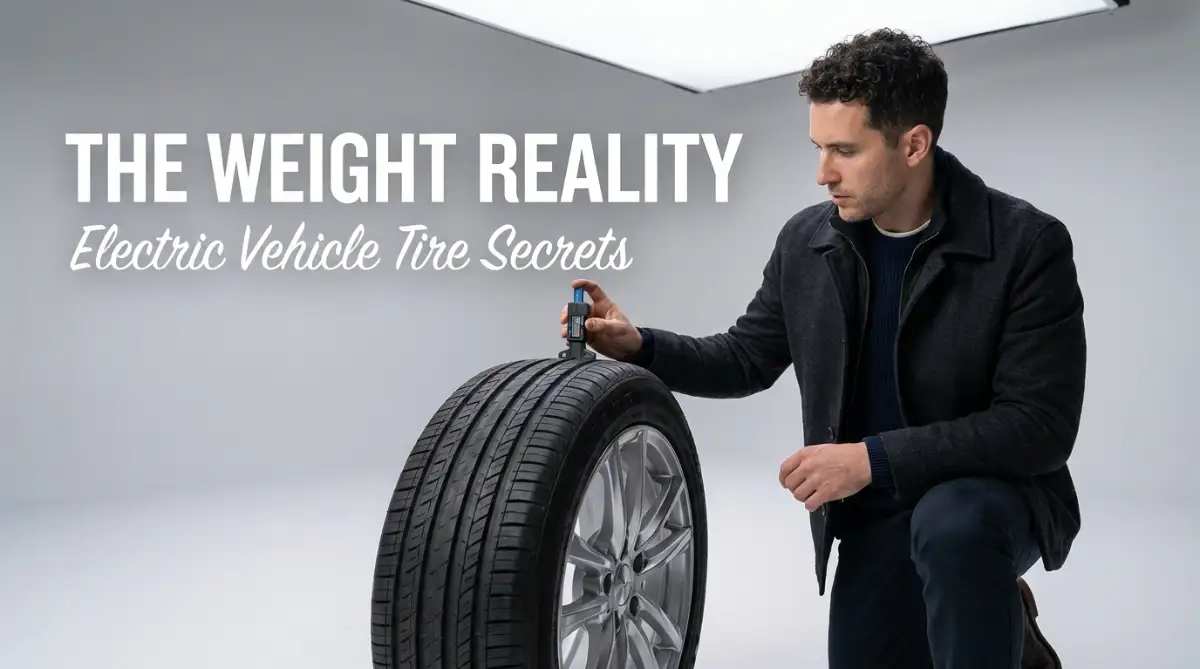
You should also focus on Strategic Tire Management. Electric cars are heavy because of their batteries. This weight puts more pressure on your tires than a traditional car.
If you use cheap, standard tires, they will wear out very quickly. This creates "tire dust," which is a type of microplastic pollution. Always choose tires specifically designed for EVs to reduce this waste.
Keeping your tires at the correct pressure is also a small move with a big impact. When your tires are low on air, the car has to work harder to move. This wastes energy and wears out your tires even faster.
According to data from the Argonne National Laboratory GREET model, the driving phase of an EV is where the most carbon savings happen. Every mile you drive with high efficiency adds up over time. This is why mastering your car's systems is so important for the planet.
Another secret to staying green is the secret power of stopping. Using your car's motor to slow down saves your brake pads from wearing out. This prevents heavy metals from brakes from entering the air and water.
Lastly, stay updated on your local Battery Second-Life programs. When your car battery is too old for driving, it is still very useful. It can be used to store solar energy for homes or schools.
Supporting companies that offer these programs helps build a circular economy. It ensures that the materials mined for your car are used for thirty or forty years instead of just ten. This long-term thinking is what makes electric transport truly sustainable.

Invisible Traps That Hurt Your Green Progress
It is a sad reality that many people fall into habits that ruin their car's environmental benefits. They mean well, but they don't have the right information. One of the biggest mistakes is the "Fast-Charging Addiction."
Fast-charging stations are amazing for long road trips. However, using them every day creates a lot of heat inside your battery. This heat causes the internal chemicals to break down much faster.
I have seen people ruin their batteries in just a few years by only using high-speed chargers. When you have to replace a battery early, you double the environmental cost of your car. Patience is a green virtue when it comes to charging your vehicle.
Another emotional trap is "Range Panic" during cold weather. Many owners get scared when they see their range drop in the winter. They might think their car is broken or that EVs are a failure.
In reality, EV range drops in winter because of physics and chemistry, not because the car is bad. If you panic and start driving aggressively or charging to 100% every day to "feel safe," you are hurting the battery. Stay calm and understand that the range will come back when the weather warms up.
There is also the pitfall of Believing Every Scary Headline. You might see a post saying that EV batteries can't be recycled. If you believe this, you might feel like your car is just future trash.
This loss of hope can lead to poor maintenance habits. Why take care of something that is "going to the landfill anyway"? This is a dangerous mindset that leads to a shorter vehicle life.
You must also be careful about Improper Disposal of Small Electronics. If you treat your car's small components like regular trash, you are causing harm. Every circuit board and sensor in your car contains valuable and sensitive materials.
Always take your car to a certified service center for repairs. They have the tools and the legal duty to handle these parts correctly. Cutting corners on repairs is a hidden environmental cost that many people forget.
Lastly, don't ignore the Source of Your Power. If you live in an area that uses a lot of coal, your EV is still cleaner than a gas car, but it could be better. If your power company offers a "Green Energy" plan, sign up for it.
This simple choice tells the power company that people want clean energy. It helps speed up the transition to wind and solar power. If you drive an EV but don't care where the power comes from, you are missing half of the puzzle.
Neglecting these details is a lot like silent credit score killers. You don't see the damage day by day, but eventually, it catches up with you. Protecting the planet requires us to stay alert and stay informed.
Scientific research from the European Environmental Agency confirms that EVs are significantly better for the air we breathe. But we must do our part by avoiding these common daily mistakes. Our habits are the final layer of the car's environmental footprint.
Your New Path Toward Clean Transportation
As we reach the end of this guide, I want you to take a deep breath and feel proud. You are a pioneer in a world that is changing for the better. You have looked past the myths and found the truth.
The "True Environmental Footprint" of an electric car is a journey, not a single number. It starts with mining and ends with a battery living a second life as a home energy storage unit. By choosing an EV, you are supporting this new, circular way of living.
Don't let the loud arguments on the internet steal your peace of mind. The data is clear: even with the costs of manufacturing, your choice is a win for the future. Every mile you drive is a gift to the next generation.
Start your new habits tomorrow morning. Check your car's charge limit and set it to 80%. Look at your tires and make sure they are full of air. These small acts of care are how we win the long game of sustainability.
I want to encourage you to keep learning and keep sharing what you know. When a friend asks you about "that giant hole in the ground" from a meme, tell them about the circular economy. Explain how recycling is becoming the new mining.
You are an ambassador for a cleaner world. Your car is a powerful tool, and you are its master. Stay curious, stay efficient, and keep driving toward a brighter, cleaner horizon.
If you want more guides on how to live a balanced and sustainable life, visit HubNestify. We are here to help you navigate the high-tech world with simple and honest advice.
The road ahead is long, but it is beautiful. Your battery is ready, and your footprint is shrinking. Go out and enjoy the ride.
The Final Sustainability Checklist
- Set a charge limit of 80% for your daily driving needs.
- Charge during off-peak hours (usually late at night) to use cleaner energy.
- Use EV-specific tires and check the pressure every single month.
- Maximize regenerative braking to save your brake pads and reduce dust.
- Choose a green energy plan from your local utility company if possible.
- Keep your vehicle for as long as possible to spread the manufacturing debt over more miles.
- Stay informed with real data from scientific sources rather than social media memes.
A Word from the Expert: Sustainability is not about being perfect; it is about making better choices than we did yesterday. Every small shift in your habits makes a real difference in the long-term health of our planet. You are doing a great job.
Whenever I hear people arguing online about whether electric cars are perfectly clean, I just smile and remember how much cleaner my own city's air has become without those extra tailpipes. We might not have a flawless system yet, but driving my EV gives me real hope for the future. Take a deep breath, follow these simple daily habits, and feel incredibly proud of the choice you made for our planet.
Legal Disclaimer: The information provided in this article is for educational and informational purposes only. We are not environmental scientists or automotive engineers. Data regarding emissions and environmental impacts can vary based on geographic location, specific vehicle models, and local energy grid compositions. Always consult with certified professionals and refer to official government reports for the most current and accurate data. Any action taken based on this content is at the reader's own risk.