
The Silent Heartbreak of the "Perfect" Home
I almost lost $15,000 on my first house because I fell in love with a shiny kitchen island. It’s so easy to get swept up in the excitement of buying a new home, but trust me, a pretty coat of paint can hide some seriously expensive nightmares. Sellers know exactly how to distract you from the bad stuff. Let’s look at the sneaky tricks people use to cover up massive problems, so you don't end up buying a total money pit.
You start imagining where the Christmas tree will go. You can already see your kids playing in the backyard. It feels like the search is finally over. But this is exactly when you are most at risk.
Buying a home is the biggest financial move of your life. It is also the most emotional one. When you fall in love with a property, your brain tends to ignore the things that don't fit the dream. This "love blindness" can lead to a lifetime of debt and stress.
I have seen people move into their dream home only to find out the basement floods every time it rains. I have seen families lose their savings because the "fresh paint" was hiding a massive mold problem. The mental toll of realizing you bought a "lemon" is heavy. It can ruin your sleep and strain your relationships.
You aren't just buying four walls and a roof. You are buying the plumbing, the wiring, the history, and the ground underneath it. If those things are broken, your peace of mind will break too. Let’s talk about how to keep your eyes wide open when your heart wants to close them.
I still remember walking into what I thought was my dream home, completely falling in love with the shiny hardwood floors and ignoring a strange, musty smell in the hallway. Just three months after moving in, I found out that the "minor" smell was actually a massive mold problem hidden behind a fresh coat of paint. That single mistake wiped out my entire emergency savings, and it taught me the hard way that a pretty house can hide ugly secrets.
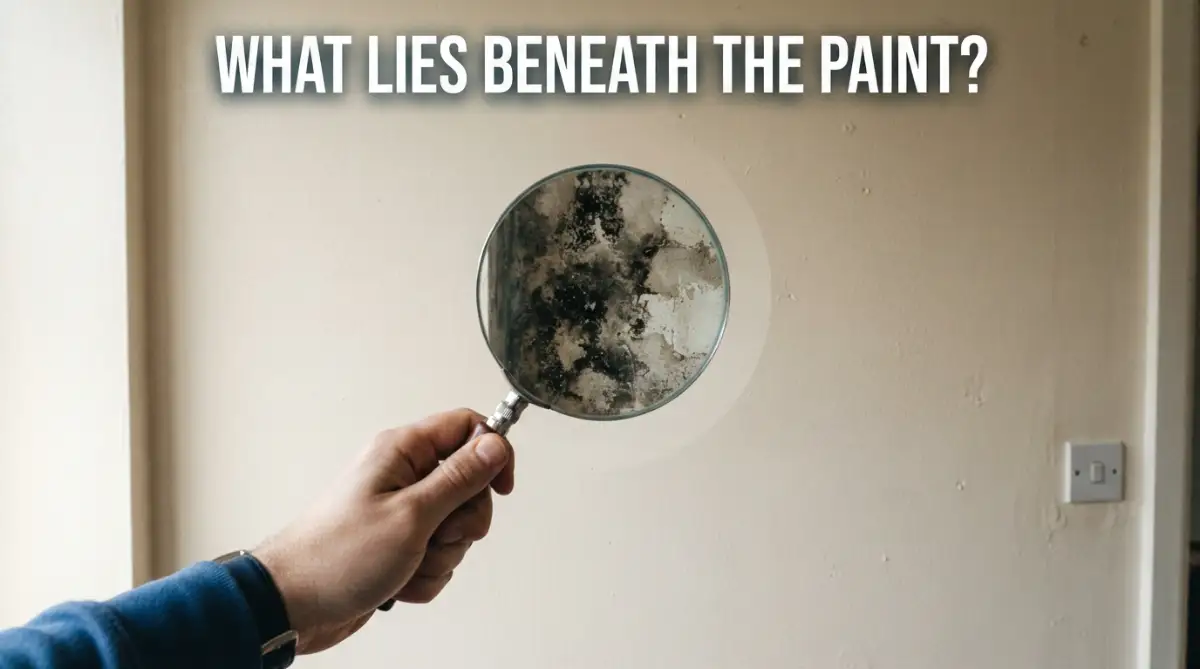
Before We Jump In, Here Is Your House-Hunting Cheat Sheet:
- Don't trust your eyes alone: Use your nose to spot hidden mold and your feet to feel for bouncy, rotting floors.
- Look outside first: Bad grading and poor water drainage cause 90% of foundation problems.
- Demand the paperwork: Unpermitted home additions become your expensive legal problem the minute you buy the house.
- Check the bones: Forget the staging furniture; inspect the electrical panel, the attic space, and the water pressure instead.
The "Fresh Paint" Trap: What Are They Really Hiding?
"Before we break down these specific traps, watch this quick video to see the biggest hidden red flags you must look out for during a house tour, and then keep reading to learn how to spot a cover-up!"
One of the oldest tricks in the book is a fresh coat of paint right before an open house. It makes the rooms look clean, bright, and new. But paint is also a great mask.
Sellers often use thick, light-colored paint to cover up water stains or patches of mold. If you see one wall that looks "too new" compared to the others, ask yourself why. Is there a leak behind that drywall?
Quick Reality Check: The Paint Myth vs. Fact
- The Myth: A freshly painted basement means the seller took great care of the home.
- The Fact: Waterproofing paint (like Drylok) is often slapped on right before a sale to temporarily hide foundation leaks. If the paint feels slightly chalky or you see tiny bubbles forming under the surface, moisture is pushing its way through the wall. I always drag my hand across basement walls—if it feels damp or powdery, walk away.
Take a close look at the corners where the wall meets the ceiling. Look for any bubbling or uneven texture. If the paint feels soft or looks like it is peeling already, there is a moisture issue hiding underneath.
Trust Your Nose: The Scents That Speak Volumes
Your eyes can be fooled, but your nose is much harder to trick. When you walk into a home, take a deep breath. Does it smell like a flower shop?
If the seller has three different scented candles burning and five plug-in air fresheners, they might be trying to hide a smell. Usually, they are hiding the damp, earthy scent of mold or the sharp smell of pet urine. A healthy home shouldn't need that much perfume.
Go down into the basement or the crawl space. These areas should be dry and relatively odorless. If it smells like a wet dog or old socks, you probably have a drainage problem or a leaky foundation.
The Slope of Doom: Checking the Exterior Drainage
Most first-time buyers only look at the inside of the house. They want to see the kitchen and the bathrooms. However, the outside of the house is actually more important.
Look at the ground where it meets the foundation. The soil should always slope away from the house. If the ground is flat or slopes toward the house, you are looking at a future flood.
Rainwater needs a place to go. If it flows toward the foundation, it will eventually find a way inside. This leads to cracks, mold, and very expensive repairs. Look for "puddling" near the walls even if it hasn't rained recently.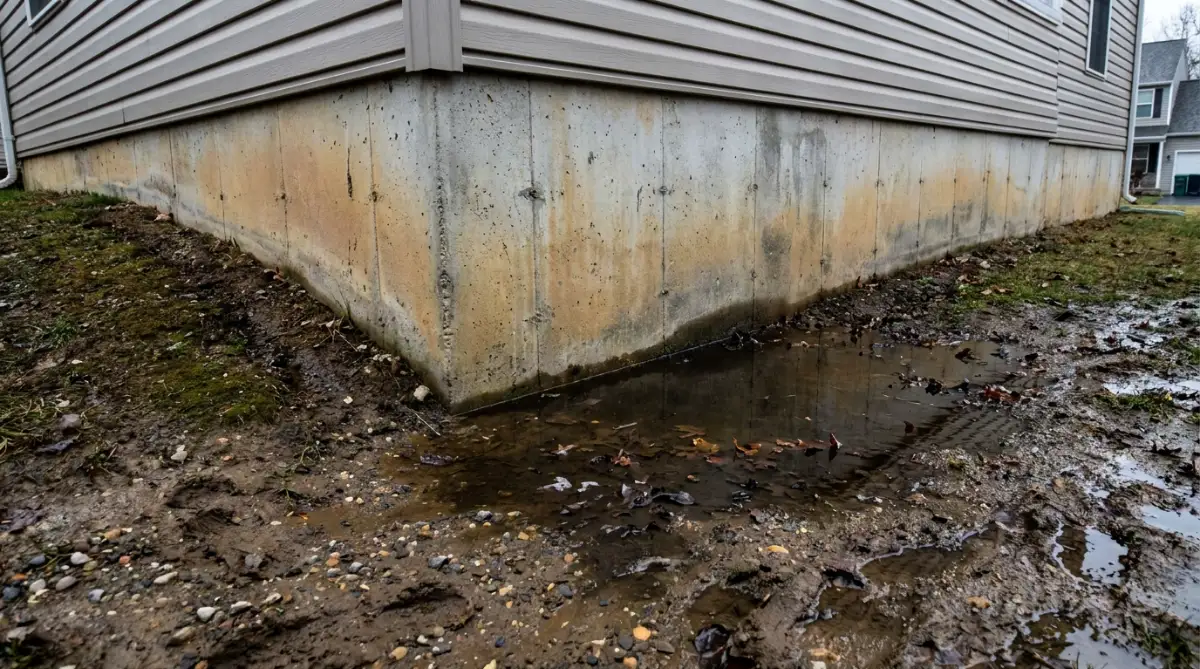
The Neighborhood Vibe Check: Look Beyond the Fence
A house can be perfect, but you can't change where it is located. Many people forget to check the surrounding area. You are buying into a community, not just a lot.
Visit the house at different times of the day. Is it quiet at 2 PM but a loud party zone at 10 PM? Is there a train track nearby that makes the windows rattle? These are things you won't notice during a 15-minute tour.
Check the neighboring yards. If the neighbor has a collection of old cars or a yard full of trash, it could lower your property value. Also, look for "For Sale" signs on the same street. If everyone is trying to leave, you should ask why.
The Electrical Skeleton: Investigating the Panel
You don't need to be an electrician to spot a dangerous panel. Ask the agent to show you where the main electrical box is. Open it up and take a look.
Does it look like a messy "bird's nest" of wires? Do you see any black soot or smell something like burning plastic? If the panel looks 40 years old and has many different brands of breakers, it is a fire hazard.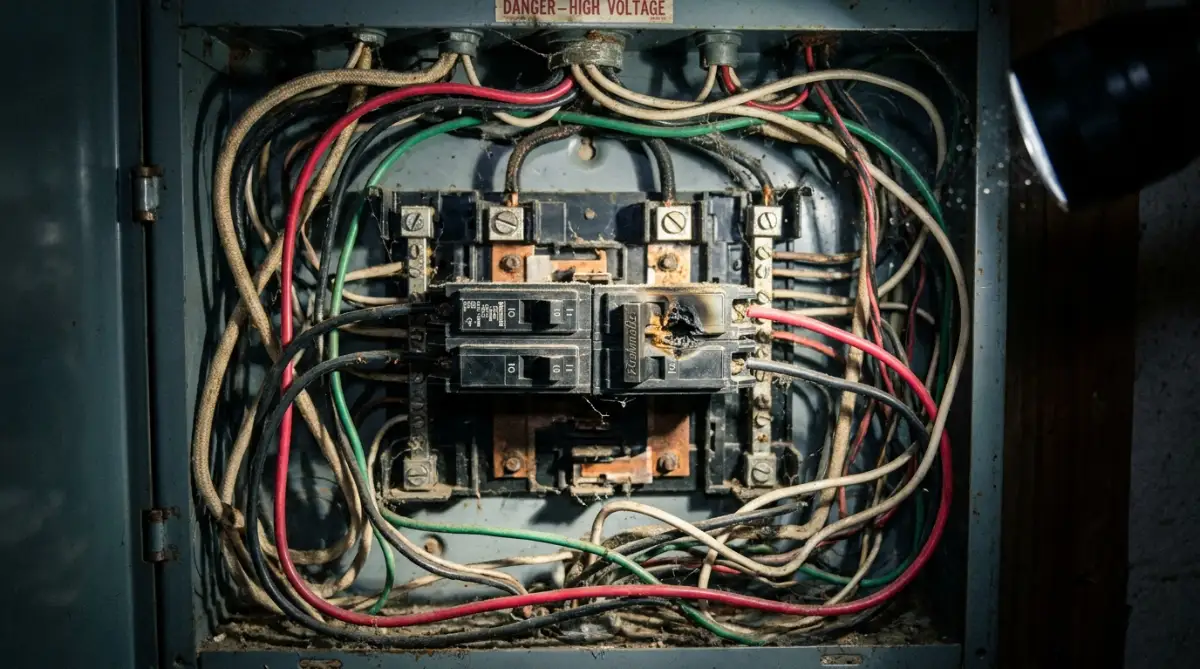
Rewiring a house is not a small job. It can cost thousands of dollars and requires tearing into the walls. If the "skeleton" of the house is weak, the rest of the body will eventually fail.
The Mystery of the Missing Permits
Imagine you find a house with a beautiful new deck or a finished basement. It looks like a great bonus! But did the owner get a permit for that work?
If someone builds an addition without a city permit, it might not be up to code. This means it could be structurally unsafe. Even worse, you might be the one forced to tear it down later.
Always ask for proof of permits for any major renovations. If the owner can't provide them, they were probably trying to save money by cutting corners. A house built on "short-cuts" is a house full of hidden dangers.
The Hidden Costs of Unpermitted Work:
Let's talk numbers. If you buy a house with a DIY unpermitted bathroom, here is what you might face when the city finds out:
- Retroactive Permit Fines: $500 - $2,000+
- Tearing Open Walls for Inspection: $1,000 - $3,000
- Hiring a Pro to Bring it to Code: $5,000+
- The Bottom Line: You take on the previous owner's legal and financial mess the second you sign the deed. Always ask for the paperwork!
The Window Warning: Looking for Fog and Drafts
Windows are one of the most expensive things to replace in a home. During your walk-through, look closely at the glass. Do you see any fog or moisture between the panes?
If you see condensation inside the window, it means the seal is broken. The window is no longer doing its job of keeping the heat or cold out. Your energy bills will be much higher because of this.
Try opening and closing every window in the house. They should move smoothly. If they are painted shut or stuck, it is a safety issue. In an emergency, you need to be able to get out fast.
The Myth of the "Easy Fix"
Sellers will often tell you that a problem is an "easy fix." They might say, "Oh, that crack in the ceiling just needs some putty." Do not take their word for it.
If a fix was truly easy and cheap, the seller would have done it themselves to get a higher price. If they didn't fix it, it is probably because it is a symptom of a much larger problem.
A crack in the ceiling could be a sign of a shifting foundation. A small water stain could be a sign of a roof that needs to be replaced. Always assume that small problems are just the tip of the iceberg.
Expert Insight: Why the Kitchen Floor Matters
Walk into the kitchen and stand in the middle of the room. Does the floor feel bouncy? Does it slope toward one side? Use your feet to feel the house.
If you feel a "dip" in the floor, it could mean the floor joists underneath are rotting or shifting. In old houses, floors aren't always level, and that is normal. But a bouncy floor is a structural red flag.
Check the transitions between rooms. If there is a big gap between the wood floor and the tile, the house might be settling unevenly. Gravity never sleeps, and it will eventually win.
The Low-Pressure Secret: Checking the Faucets
When you are in the bathroom, turn on the shower and the sink at the same time. Watch the water pressure.
If the water slows down to a trickle, the plumbing might be old and clogged with mineral deposits. Replacing pipes is a messy and expensive job. You don't want to find this out during your first shower in your new home.
Also, look at the color of the water. If it looks slightly brown or rusty when you first turn it on, your pipes are likely corroding from the inside out. This is a silent issue that can lead to a major burst later.
The Attic Investigation: Looking for Unwanted Guests
Most people are afraid to go into the attic, but it is one of the best places to find red flags. Grab a flashlight and take a peek.
Look for animal droppings or shredded insulation. Squirrels, raccoons, and rats can cause massive damage to your wiring and insulation. They are also very expensive to remove permanently.
Look at the underside of the roof. Do you see any dark spots or white "salt" marks? These are signs of a roof leak. A roof that looks good from the outside can still be leaking on the inside.
Why You Need to Be Your Own Detective
Real estate agents want to close the deal. Sellers want to get the highest price. You are the only person who is truly looking out for your bank account.
Don't feel rushed. If you want to spend ten minutes looking at the water heater, do it. If you want to smell the inside of the kitchen cabinets, do it. This is your future, and you have every right to be thorough.
Keep a small notebook with you. Write down every "weird" thing you see, smell, or hear. Later, when you are away from the excitement of the house, read your notes with a clear head.
You are building a life, not just buying a building. By spotting these invisible red flags now, you are saving yourself years of financial pain. Knowledge is the best tool you have to protect your dream.
Mastering the Long-Term Health of Your Property Investment
Once you have identified the immediate red flags, you need to think like a seasoned property owner. Buying the house is only the first step in a much longer journey. To keep your property value high, you must learn to spot issues before they become expensive disasters.
One professional secret is to keep a "Home Health Log." This is a simple notebook where you record every repair, every inspection, and every small change. When it comes time to sell later, this log acts as a badge of honor for your house.
Think of your home maintenance like your personal wellness routine. Just as you would avoid natural body detox mistakes for clearer skin, you should avoid "quick fixes" for your home that cause damage later. Consistency is the only way to protect your financial future.
Another advanced tip is to perform a seasonal "water audit." Most people only check for leaks when they see a puddle. I suggest you go into your basement or attic during a heavy rainstorm with a flashlight.
Look for damp spots that might dry up before the sun comes out. These small "weeping" leaks in the foundation can lead to major structural cracks over time. Catching a moisture problem early can save you tens of thousands of dollars in foundation repair.
You should also look into the history of the soil in your area. According to a research study by the United States Geological Survey (USGS), land subsidence or sinking soil is a major issue in many residential zones. Knowing if your house sits on clay or sandy soil helps you understand how the foundation will move.
The Digital Shield: Protecting Your Home from Modern Risks
We often talk about physical locks and fences, but modern homes have a digital side too. Many new houses come with "Smart Home" devices like cameras, thermostats, and smart locks. These are convenient, but they are also doors for invisible threats.
If you are moving into a home with existing smart tech, you must reset everything to factory settings immediately. Just as you wouldn't risk browsing without antivirus protection on your computer, you shouldn't leave your home’s digital security to a previous owner’s settings. Change the Wi-Fi passwords and update the firmware on all connected devices on your first day.
Understanding the "Soul" of Your Specific House Type
Every home has a personality based on when and how it was built. An old Victorian home has different "health needs" than a modern glass-and-steel condo. You need to learn the specific quirks of your property style.
Spend time researching the materials used in your home. Talk to neighbors with similar houses to see what problems they have faced. The more you know about the "DNA" of your house, the better you can care for it.

The Psychological Trap of Emotional Attachment
The most dangerous thing you can bring to a home purchase is a "must-have" attitude. When you fall in love with a kitchen or a view, you stop being a detective. The seller’s agent knows this and will use it to their advantage.
I have seen people ignore a failing roof because they loved the garden. This is a mistake that leads to "buyer's remorse." " You must remember that a house is a financial asset first and a dream second.
If you find yourself saying, "We can fix that later," stop and ask for a quote. "Later" is often much more expensive than you think. If the cost of repairs is more than 5% of the home's value, it is time to walk away.
The Danger of Trusting the "Staged" Version of a Home
Professional stagers are experts at making small rooms look big and dark rooms look bright. They use specific furniture and lighting to distract your eyes. Their job is to hide the flaws and highlight the beauty.
I have seen stagers place large rugs over damaged floorboards or put a painting over a crack in the wall. Always look behind and underneath the staging.
Ask the agent if you can move a rug or a chair if you suspect something is hidden. If they say no, that is a red flag in itself. A transparent seller has nothing to hide under a fancy carpet.
My biggest mistake during my early house hunts was trusting the beautiful staging furniture without actually peeking underneath it. I eventually realized that lifting up a big rug or moving a perfectly placed couch often reveals giant floor cracks or water stains that the seller desperately wants you to miss. Always be a little nosy during your tour, because a five-second peek can easily save you thousands of dollars later!
Ignoring the HOA: The Hidden Legal Contract
Many first-time buyers think the Homeowners Association (HOA) is just about picking the color of your front door. It is actually a powerful legal entity that can fine you or even take your home.
Read the "Covenants, Conditions, and Restrictions" (CC&Rs) before you sign anything. Some HOAs have rules against parking certain cars in the driveway or running a business from your home. If these rules don't fit your life, the house isn't the right fit either.
Check the HOA's financial health as well. If they don't have enough money in their "Reserve Fund," they might suddenly charge you a "Special Assessment." This could be a bill for thousands of dollars to fix a community pool or roof that you weren't expecting.
The Hidden Threat of Radon and Environmental Hazards
You can see a hole in the roof, but you can't see radon gas. This is a naturally occurring gas that can leak into homes through the foundation. It is the second leading cause of lung cancer in the world.
Always insist on a Radon test, especially if the house has a basement. Many sellers will say, "No one else in the neighborhood has it," but that doesn't mean this house is safe. Each house sits on different ground.
You should also check the EPA’s map of environmental concerns for your specific zip code. Knowing if there was once a chemical plant or a gas station nearby is vital information. Environmental issues can lower your property value and affect your health for years.
Your Final Action Plan for Homeownership Success
Buying your first home is a giant leap, but you are now armed with the tools to land safely. Don't let the excitement of the moment cloud your judgment.
You have learned to look past the fresh paint and smell beyond the scented candles. You know that the slope of the yard matters just as much as the color of the cabinets. This knowledge is your protection.
Take your time during the final walk-through. This is your last chance to make sure everything is exactly as promised. Turn on every faucet, flush every toilet, and check every window one last time.
If you find a new problem, don't be afraid to delay the closing. It is better to wait a few days than to spend years fixing a mistake. You are in charge of this transaction.
The road to your dream home might be full of hidden traps, but you are a detective now. Trust your gut, trust your research, and never settle for a "lemon."
Go out there and find the house that is truly solid, safe, and worth your hard-earned money. You have worked hard for this, and you deserve a home that brings you peace, not stress.
Start your journey today by making a list of your "non-negotiables." Keep this article bookmarked and read it again before your next viewing. Your future self will thank you for being so careful today.
Welcome to the world of smart homeownership. You are ready.
Disclaimer: The information on this website is for general educational purposes only. Real estate laws and property conditions vary by location. We are not licensed real estate agents or inspectors. Always hire a professional, certified home inspector and a qualified real estate attorney to review your specific situation before signing any legal documents or making a purchase.