The Quiet Anxiety of the Disappearing Mile
I spent my first month with an EV sweating over the battery percentage, even turning off the AC on 90-degree days just to make it home. I thought I had to fight my car to save miles, but I was wrong. The secret isn't driving less; it’s learning how to let your car 'breathe' energy back into the battery. Here is exactly how I stopped my range anxiety using one simple pedal trick.
This feeling is something many new electric vehicle owners know very well. I still remember my very first week driving an EV, sweating nervously in rush hour traffic as I watched my battery percentage drop faster than a countdown timer. I actually turned off my air conditioning on a hot summer day and rolled the windows down just because I was so scared I would not make it home. It took me a while to realize I was driving it exactly like my old gas car, which was my absolute biggest mistake.
Most of us were taught to drive gas cars where "braking" always meant "wasting." In an old car, every time you hit the brakes, you turned your hard-earned fuel into heat that just vanished into the air. It was a one-way street for energy. Seeing that same habit drain your battery feels like watching money fall out of your pocket.
The struggle is not just about the battery; it is about your peace of mind. You want to enjoy the smooth, quiet ride of your EV without constantly staring at the range numbers. You want to feel in control of your journey again.
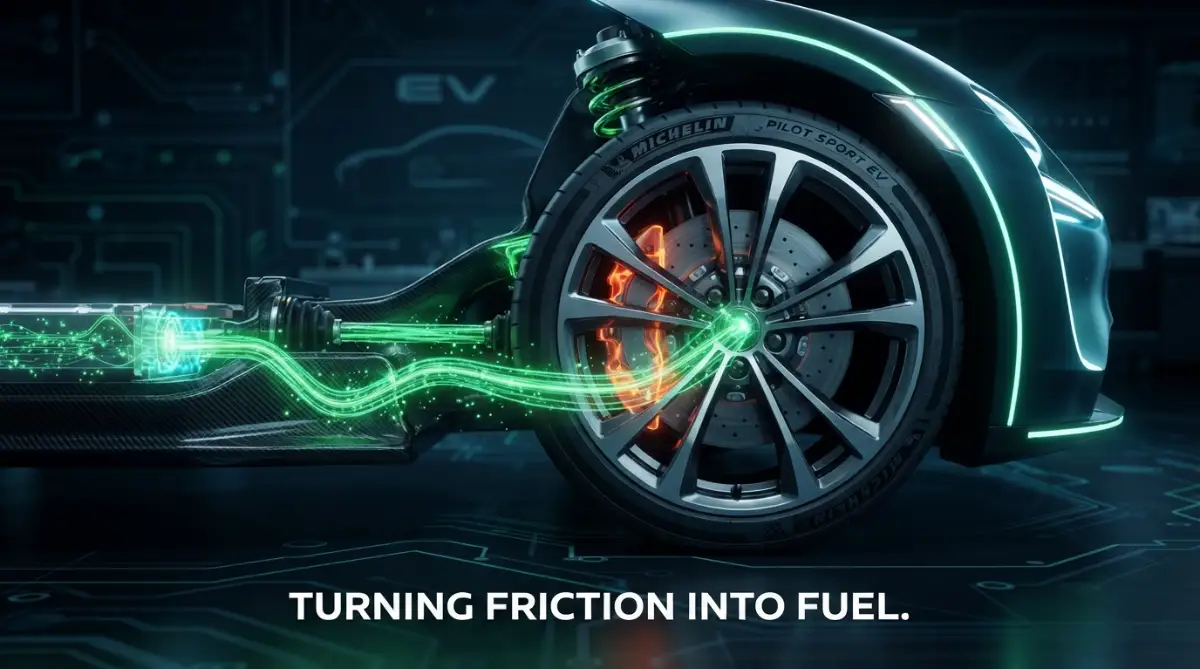
The good news is that your car has a hidden gift waiting for you. It is a system that turns the act of slowing down into a way to "refuel" on the go. Once you understand how to use it, that range anxiety starts to fade away.
⚡ Quick Comparison: When to use Regen?
🚗 Your 30-Second Guide to More Miles
- Ease off, don't stomp: Lift your foot slowly from the gas pedal to start the 'energy capture' process.
- Look far ahead: If you see a red light, start slowing down 100 yards early to get the most power back.
- The 80% Rule: Keep your battery below 90% if you want the regenerative braking to work at full strength.
- Winter Hack: Warm up your car while it’s still plugged in so the regen works the moment you pull out of the driveway.
The Energy Loop: Turning Your Motor into a Generator
To understand this magic, we need to look at what happens when you lift your foot off the pedal. In a normal car, the wheels just spin freely until you hit the brakes. In an electric car, the motor has a dual personality.
When you press the "gas" or accelerator, the battery sends electricity to the motor to turn the wheels. But when you let go, the system flips. The motor stops being a motor and starts acting like a generator.
The spinning wheels now drive the motor, which creates electricity and sends it back into the battery. This process creates a natural drag that slows the car down. It is like the car is catching its own breath and using it to run even further.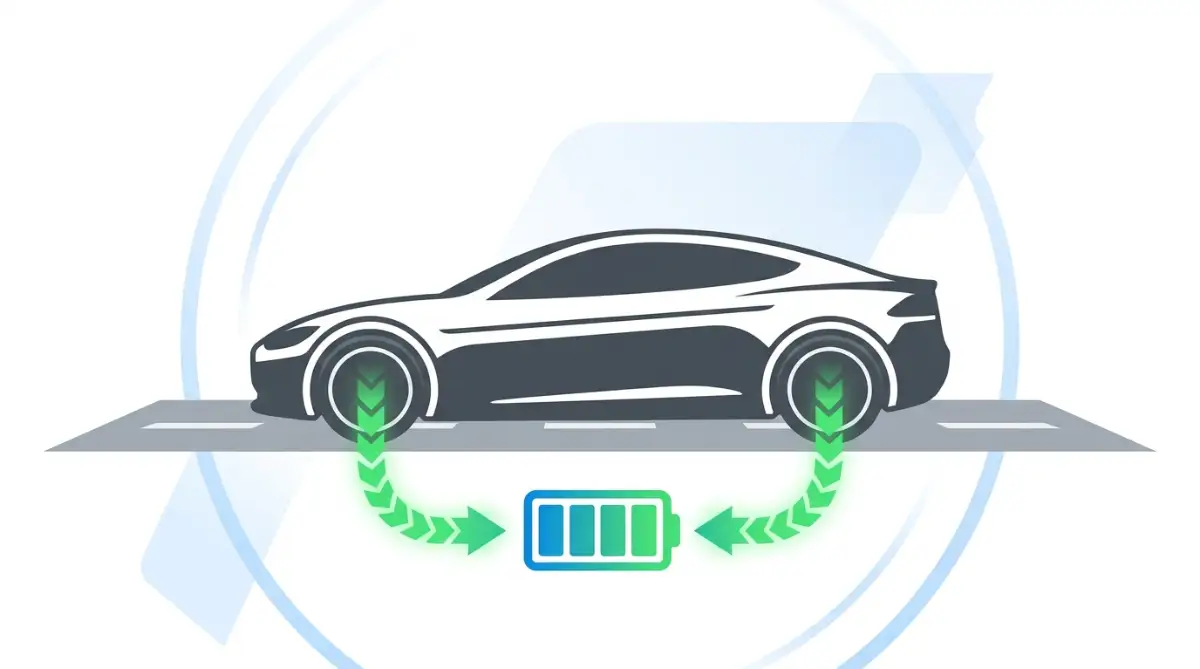
Mastering the "One-Pedal" Driving Technique
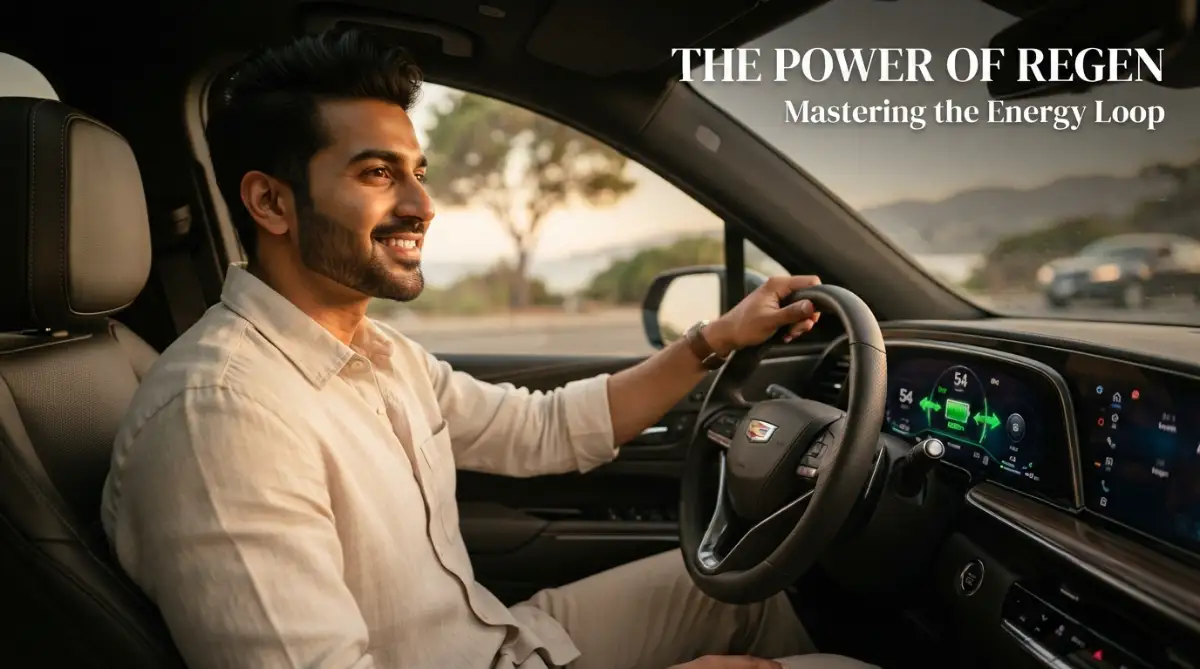
One of the most effective ways to use this system is called one-pedal driving. This might feel strange at first if you are used to jumping between two pedals. Instead of using the friction brakes, you use the accelerator for almost everything.
You press down to go and slowly lift up to stop. As you lift your foot, the car begins to slow down quite quickly. This is the moment your battery is getting a "free" top-up.
By learning the right timing, you can bring the car to a full stop without ever touching the actual brake pedal. This is excellent for your battery and also saves your brake pads from wearing out. It turns driving into a smooth, flowing experience that feels more like flying.
If you are still wondering how one-pedal driving actually looks and feels in real life, watch this short video demonstration before reading further. It shows exactly how to master this foot movement, making the advanced energy-saving tips below so much easier to follow!
The Art of Reading the Road Ahead
To get the most energy back, you have to change how you look at traffic. Professional EV drivers don't look at the car right in front of them. They look three or four cars ahead.
If you see a red light far away, don't wait until the last second to brake. Lift your foot early and let the car coast smoothly toward the light. This long, steady slowing down period captures more energy than a sudden, hard stop.
Hard braking often forces the car to use its traditional friction brakes. When that happens, the energy is lost as heat instead of being saved in the battery. Anticipation is your best friend when you want to drive further for less.
City Streets vs. Open Highways: Where Regen Shines
Regenerative braking is most powerful in stop-and-go traffic. In the city, you are constantly speeding up and slowing down. Every red light and stop sign becomes a mini charging station for your car.
On the highway, things are a bit different. When you are moving at a steady high speed, you want to maintain your momentum. In these cases, "coasting" is sometimes better than "regen."
Some cars let you adjust the strength of the regenerative braking. For highway trips, you might want to set it to a lower level. This allows the car to roll freely without losing speed too quickly.
In the city, turn it to the highest setting. You will find that you can drive for miles without ever touching the brake pedal. It is a satisfying game of efficiency that saves you time and energy.
Weather and Temperature: The Hidden Factors
It is important to know that your car's ability to recover energy changes with the weather. Batteries are like humans; they don't like being too cold. If your battery is frozen on a winter morning, it cannot accept energy as fast.
You might notice that the "braking feel" is much weaker when you first start your car in the cold. The car is protecting the battery from a "surge" of energy it can't handle yet. As the battery warms up during your drive, the full power of the system will return.
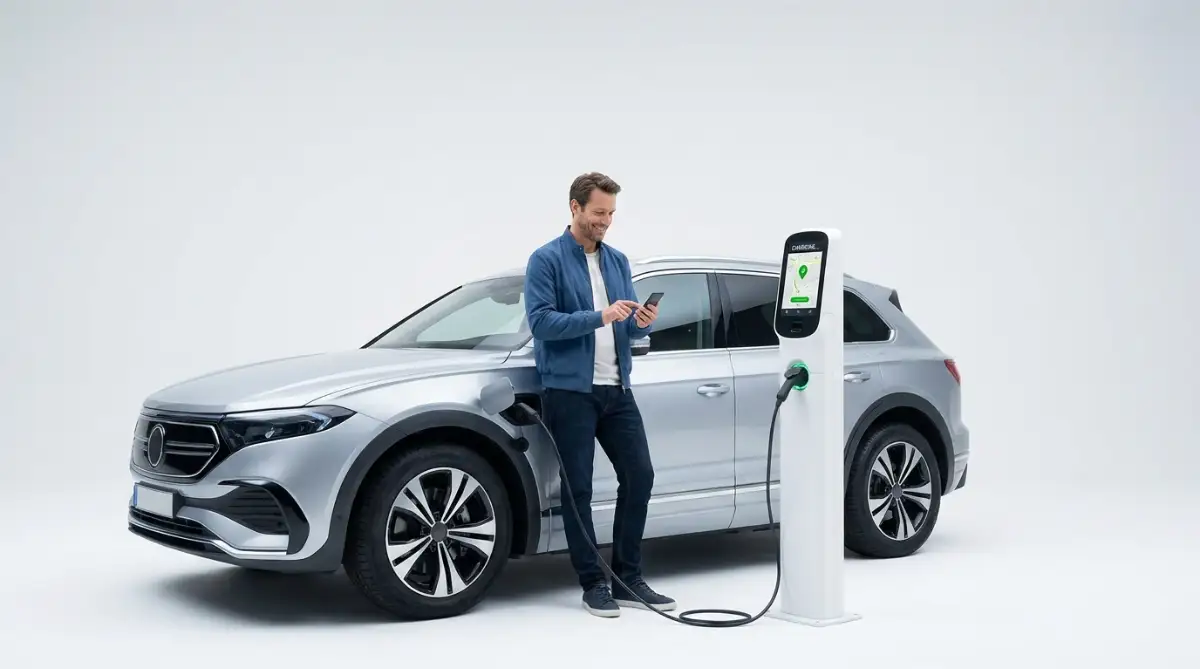
I suggest "pre-conditioning" your car while it is still plugged in at home. This warms up the battery using power from your house. When you hit the road, your regen system will be ready to work at 100% efficiency immediately.
The Scientific Connection: Kinetic to Chemical Energy
Regenerative braking is a way to respect that energy. We are taking the motion of a 4,000-pound machine and turning it back into chemical energy inside the battery cells. It is a beautiful loop of efficiency.
While no system is 100% perfect, modern EVs can recover a huge amount of lost power. Some studies show that you can increase your range by 15% to 30% just by using these habits. That is like getting a free gallon of gas every time you drive.
Myth vs. Reality: Does it Hurt the Battery?
Some people worry that constantly sending small bursts of energy into the battery will wear it out. This is a common myth that we need to clear up.
Electric car batteries are designed for this exact type of behavior. The management system inside the car is very smart. It handles these small charges perfectly and keeps the battery healthy.
Myth vs. Reality: The Battery Health Debate
- The Myth: Charging the battery in small bursts with regen will wear it out faster.
- The Reality: Actually, it’s the opposite. These small 'top-ups' keep the battery in a steady state and prevent it from getting too hot compared to heavy friction braking. My car's battery health hasn't dropped even 1% after a year of heavy one-pedal driving."
In fact, using regenerative braking is often better for the car. It reduces the heat build-up in the wheels and keeps the mechanical parts of the car in better shape. You are doing your car a favor by driving this way.
Step-by-Step Training for New Owners
If you are new to this, don't try to be perfect on day one. Start by setting your car to "Standard" or "Low" regen mode. Get used to how the car slows down when you lift your foot.
Once that feels natural, move the setting to "High" or "Max." Practice trying to stop exactly at a stop line without using the brake pedal. It becomes a fun challenge that makes you a more focused driver.
Listen to the sound of your car. Many EVs make a faint humming sound when they are recovering energy. That sound is the sound of your range extending.
Safety First: When to Use Traditional Brakes
While regen is great, it is not a replacement for safety. In an emergency, you must use the brake pedal. Traditional friction brakes are there to stop you instantly in a dangerous situation.
Also, on very slippery or icy roads, the regenerative system can sometimes cause the wheels to slip. Most modern cars will automatically adjust for this. However, it is always good to be extra careful when the weather is bad.
Always keep your traditional brakes in good condition. Even if you don't use them often, they need to be ready when you do. A smart driver knows how to balance efficiency with total safety.
Managing Passenger Comfort
One small tip for one-pedal driving is to be gentle. If you lift your foot off the pedal too fast, the car will "jerk" backward. This can make your passengers feel a bit sick.
The secret is a "smooth release." Imagine there is an egg under the pedal. When I first tried one-pedal driving, I kept taking my foot completely off the pedal way too fast, which made my poor family feel carsick from the constant jerky stops. I quickly learned that gently easing off the accelerator is the real secret to keeping both my passengers happy and my battery fully charged. Lift your foot slowly and steadily. This keeps the ride smooth for everyone inside while still saving every bit of energy possible.
You will soon find that you can drive more smoothly than a professional chauffeur. It is a skill that makes your car feel more premium and refined.
Long-Term Savings: More Than Just Battery
The benefits of mastering this go beyond just driving further. Because you are not using your friction brakes as much, they last a very long time. Some EV owners go over 100,000 miles before they need new brake pads.
This saves you hundreds of dollars in maintenance costs over the life of the car. It is a win for your wallet and a win for the environment.
You are also reducing "brake dust," which is a type of pollution caused by traditional brakes. By driving this way, you are helping keep the air in your city cleaner.
The Psychological Shift to "Flow" Driving
Mastering this technology changes how you feel about your commute. Instead of being a stressful race from one stop to the next, it becomes a game of "flow." You become more patient and relaxed.
You stop trying to "beat" the traffic and start trying to "read" the traffic. This change in mindset is one of the best parts of owning an electric car. It turns a boring chore into an engaging, mindful experience.
When you arrive at your destination, you feel less tired. You feel a sense of pride seeing how much energy you put back into the battery. It is a high-tech way of being more connected to the road.
Preparing for the Future of Transportation
Regenerative braking is just the beginning. As cars get smarter, they will use GPS and cameras to adjust the braking automatically. But for now, the most powerful tool in the car is you.
By learning these habits now, you are staying ahead of the curve. You are becoming an expert in the most important technology of our time. Every mile you save is a step toward a cleaner future.
We are moving away from a world of waste and toward a world of recovery. Your car is a perfect example of this new way of thinking.
Expert Insight: The Efficiency Benchmark
If you want to know how well you are doing, look at your "Wh/mi" or "miles per kWh" screen. Try to see how high you can get that number in city traffic.
On a good day, with smart regen habits, you might even see the numbers go up as you drive down a long hill. That is the ultimate "free lunch" in the world of physics.
Don't compare yourself to others. Compare yourself to your drive yesterday. Every little bit of improvement counts toward your goal of a stress-free journey.
Leveling Up Your Energy Management Habits
Once you have learned the basics of one-pedal driving, it is time to think like a professional energy manager. Most drivers just lift their foot and let the car do the work. But the real experts know that timing and road awareness are the keys to long-term success.
One pro-level secret is understanding the "Regen Cut-off Point." Most electric cars cannot use regenerative braking when the battery is completely full. If you charge your car to 100%, your brakes might feel "loose" or "weak" for the first few miles.
This happens because there is no room in the "energy bucket" to put more power. To fix this, try setting your daily charge limit to 80% or 90%. This leaves a "buffer" that allows your car to start saving energy the second you leave your driveway. This habit is a part of stopping EV battery drain with simple daily habits that keep your vehicle healthy.
Another advanced strategy is "Terrain Mapping." If you know a big hill is coming up, don't accelerate right to the top. Let your speed drop slightly as you reach the peak. Then, use the long way down to "pour" energy back into your battery.
Think of your car like a roller coaster. You want to use your momentum to carry you through the dips and turns. The less you use the friction brakes, the more money you stay in your pocket. This type of planning makes you a master of your machine.
You should also look into your car’s "Auto-Regen" settings if it has them. Some modern vehicles use front cameras and radar to adjust the braking force based on the car in front of you. It is like having a digital co-pilot that manages your energy flow.
However, don't rely on it 100%. Your human brain can see things a camera might miss, like a light that is about to turn red. Always keep your eyes on the horizon to stay one step ahead of the traffic flow.
According to technical research by the National Renewable Energy Laboratory (NREL), thermal management is a massive part of vehicle efficiency. If your battery is too hot or too cold, the regen system will be less effective. Keeping your battery at a stable temperature helps you capture more "free" miles every single day.
If you live in a cold climate, remember that EV range drops in winter because the chemistry of the battery slows down. On a freezing morning, your regen might not work at all until the battery warms up. Be patient with your car and allow it to reach its operating temperature before you expect maximum efficiency.
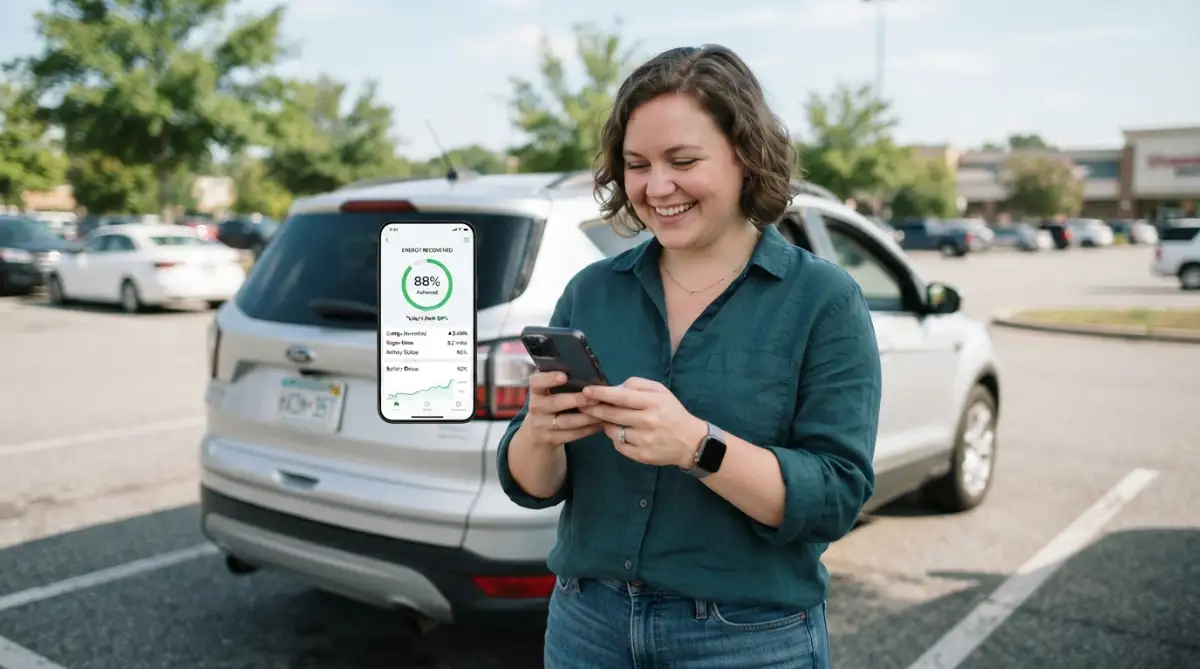
The Hidden Traps of Relying Too Much on Technology
While regenerative braking is a wonder of modern engineering, it can lead to some dangerous habits if you aren't careful. One of the biggest mistakes is the "Slippery Surface Trap." On icy or very wet roads, the electric motor can sometimes slow the wheels down too fast.
This can cause a "micro-skid" because the car is trying to save energy instead of focusing on grip. Most modern cars have software to stop this, but physics always wins. In heavy rain or snow, I suggest turning your regen setting to "Low" or "Standard."
This allows you to have more traditional control over the car's movement. Safety must always come before energy savings. The fear of sliding on a dark, wet road is a weight no driver should have to carry.
Another silent problem is "Brake Component Neglect." Because we use the physical brake pads so rarely in an EV, they can actually start to rust or get "stuck" over time. I have seen beautiful cars need expensive brake repairs simply because the owner never used them.
This is a physical reality that can catch you off guard. To prevent this, experts suggest doing a "Friction Clean" once a week. Find a safe, empty road and use your physical brake pedal to come to a complete stop from a moderate speed.
This scrubs the rust and dirt off the rotors and keeps the calipers moving freely. It is a small price to pay to ensure your emergency brakes work when you truly need them. Ignoring this can lead to a sudden failure during a crisis, which is a terrifying thought. 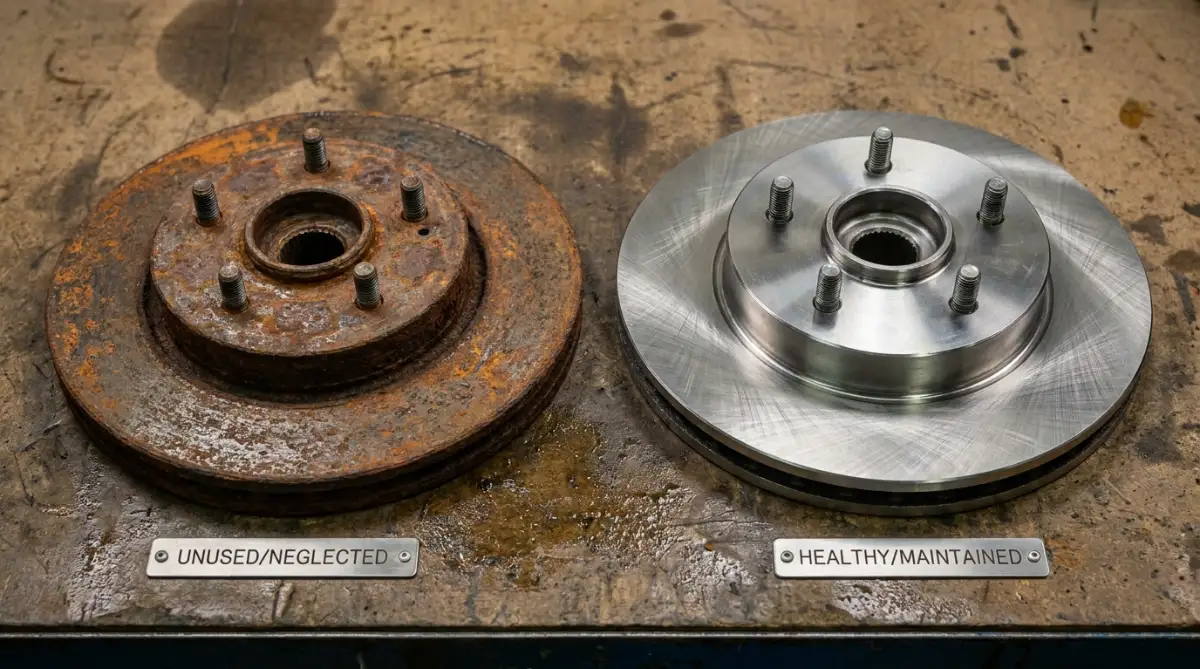
There is also the "Regen Efficiency Illusion." Many drivers think that if they brake hard with regen, they get more power back. This is not true. In fact, gentle, long braking is much more efficient than a short, sharp lift of the foot.
When you "slam" the regen on, a lot of that energy is lost as heat in the wires and the motor. Think of it like trying to pour a gallon of water into a tiny funnel. If you pour too fast, most of it spills over the sides.
Slow and steady is the name of the game. If you feel your head jerking forward when you lift your foot, you are being too aggressive. Smoothness is the ultimate sign of an expert driver. It saves your tires, it saves your battery, and it makes your passengers much happier.
According to data from the U.S. Department of Energy, aggressive driving can lower your efficiency by up to 30%. In an electric vehicle, that could mean the difference between getting home or calling a tow truck. Don't let your "lead foot" steal your freedom.
Your New Relationship with the Road
To wrap up, I want you to take a deep breath and feel the power you now have. You are no longer just a driver; you are a pioneer in a new world of transportation. You have the tools to make your car do things that were impossible just a few decades ago.
By mastering regenerative braking, you are doing more than just saving battery life. You are reducing your carbon footprint and helping the world move toward a cleaner future. You are proving that high technology and simple habits can work together to create something amazing.
Start small tomorrow morning. Try to complete your commute using the brake pedal as little as possible. Listen to the quiet hum of your motor as it drinks in that captured energy. Feel the pride that comes with seeing your "miles per kWh" number go up on the screen.
This journey is a marathon, not a sprint. Every day you practice these habits, you become more connected to your vehicle. You learn its rhythms, its strengths, and its limits. This bond is what makes owning an EV such a rewarding experience.
You have the knowledge now. You know the secrets of the pros and the traps to avoid. Go out there and show the world what a smart, efficient driver looks like. Your battery is ready, your path is clear, and the future is yours to drive.
Check your tire pressure tonight. Set your charge limit to 80%. Take that first smooth step toward a longer, stress-free range today. I am rooting for you every mile of the way.
Looking back, mastering this simple driving trick completely changed how I feel about my electric car, turning my daily commute from a stressful chore into a fun, relaxing game. I promise that if you just give it a little practice this week, you will stop worrying about your battery and finally start loving the ride.
The road ahead is waiting for you. Happy driving!
Legal Disclaimer: The information provided in this article is for educational and informational purposes only. Every electric vehicle (EV) has unique software and mechanical systems. Always refer to your vehicle's official owner's manual for specific instructions regarding regenerative braking and braking safety. We are not responsible for any mechanical failures, accidents, or warranty issues that may occur from following these general tips. Always prioritize safety and local traffic laws over energy efficiency while driving.