
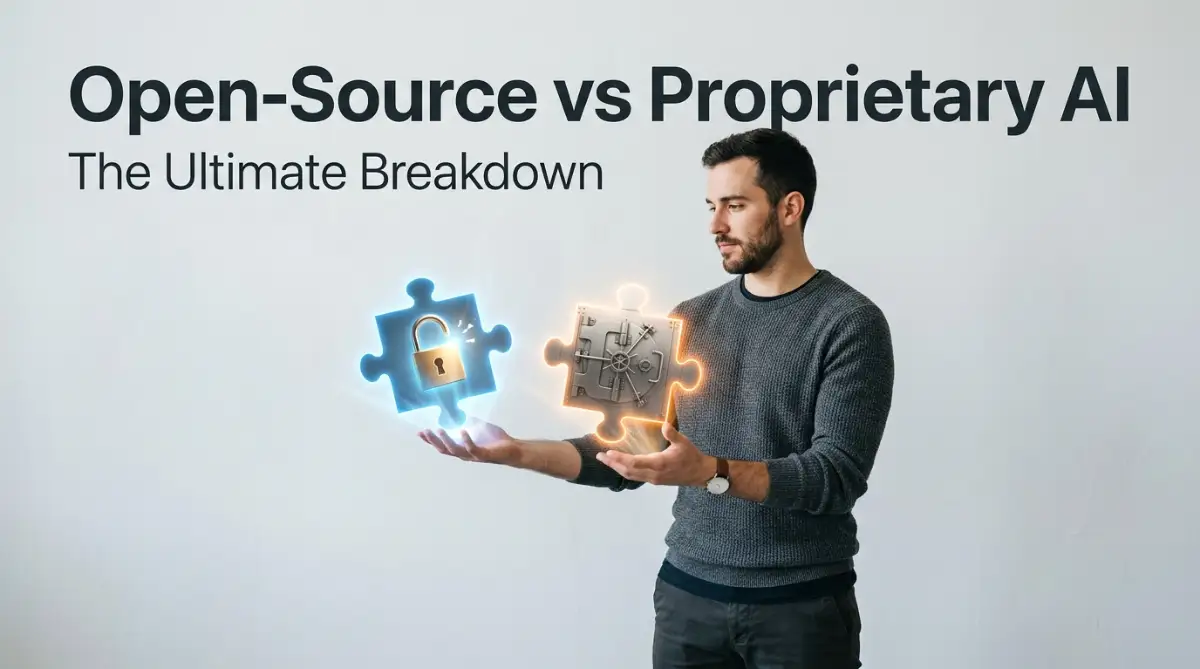
The Hidden Frustration Behind the AI Magic
I remember staring blankly at my computer screen just last month, completely paralyzed by the overwhelming number of choices. I simply wanted to build a basic smart writing assistant to help me draft my daily emails faster. But as I started searching for the right tool, the sheer number of confusing AI options made my head spin uncontrollably. I finally signed up for a famous paid AI service, only to realize I had to agree to hand over my personal data just to use it. My monthly software subscription bills were already piling up fast, and I felt entirely trapped inside a closed, expensive system. I honestly wondered how normal people were supposed to navigate this confusing tech maze without losing their minds or their privacy.
This exact feeling of helplessness is something thousands of everyday people experience right now. We are constantly told that artificial intelligence is going to make our lives infinitely easier. Yet, when we actually try to use these tools, we immediately hit a massive brick wall of confusing technical terms and hidden fees.
You might be trying to summarize a deeply personal medical document or write a sensitive business proposal. Suddenly, a dark thought crosses your mind about where that sensitive information is actually going. Are giant tech companies reading your private thoughts? Is your personal data being secretly used to train a machine without your clear permission?
These valid fears completely destroy our peace of mind and stop us from enjoying some genuinely helpful technology. We depend on these digital tools to save us time, but the constant worry about data theft and expensive monthly charges creates a huge layer of unnecessary daily stress.
People end up feeling forced to choose between protecting their privacy and accessing smart technology. We treat these programs like mysterious black boxes, completely unsure of what happens to our words once we hit the enter button. It feels incredibly unfair that everyday users are left in the dark about how these systems truly operate.
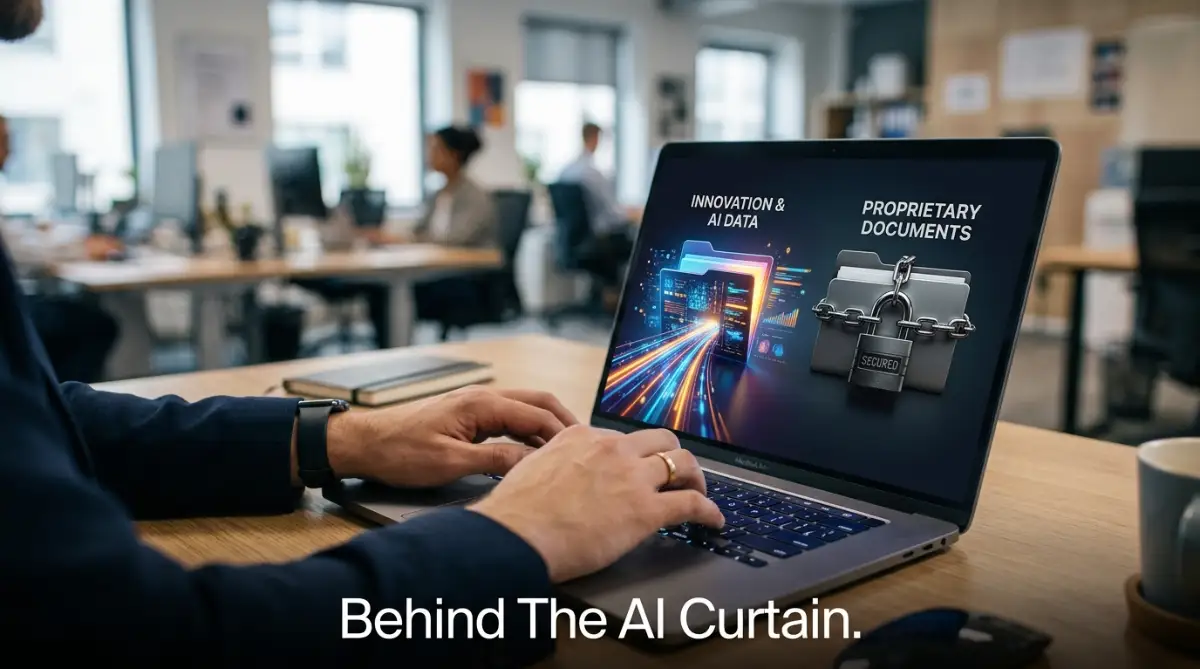
Breaking Down the Brains of Artificial Intelligence
To completely solve this massive headache, we need to strip away the confusing tech jargon and look at how these systems are actually built. At the core, tools like ChatGPT or other popular chatbots are known as Large Language Models. You can just think of them as giant digital brains that have read millions of books and learned how to predict the next logical word in a sentence.
However, the way these digital brains are owned and shared with the public falls into two very distinct categories. Understanding this single division is the absolute best way to regain control over your digital life. Let us look at these two completely different approaches.
The Secret Restaurant Sauce: Proprietary Systems
When we talk about a proprietary system, we are talking about a product that is entirely owned, controlled, and locked down by a single company. You can think of this like eating at a high-end, famous restaurant. You can walk in, order a delicious meal, and enjoy the food at your table.
But if you ask the chef for the exact recipe, they will firmly refuse to tell you. The company keeps the internal code, the training data, and the core mechanics completely hidden from the public. They own the secret recipe, and you are simply paying for the privilege to taste the final product.
This means you have absolutely zero control over how the system operates in the background. If the company decides to suddenly change the rules, increase the monthly price, or alter how the AI responds, you just have to accept it. You cannot look inside the code to see if they are storing your private chat history on their massive cloud servers.
The Community Cookbook: Open-Source Systems
On the completely opposite side of the spectrum, we have open-source models. Imagine walking into a massive community kitchen where every single recipe is printed out and pinned to the wall for anyone to read. Not only can you eat the food, but you can also take the recipe home, change the ingredients, and cook it yourself.
In an open-source system, the creators freely share the underlying structure and the "weights" of the digital brain with the entire world. Anyone with a computer and internet connection can download the core files. You are allowed to look completely under the hood and inspect exactly how the system is wired together.
This community approach completely changes the power dynamic. Because the code is publicly available, independent researchers and everyday users can constantly check it for hidden flaws or privacy risks. You do not have to rely on the promises of a giant tech corporation, because you can literally see the truth with your own eyes.
Are you constantly confused about where your private data goes when you chat with AI? Watch this clear visual breakdown to understand exactly how information travels through different language models.
How Your Data Travels Through the Cloud
The biggest physical difference between these two systems is where the actual thinking takes place. When you use a proprietary model, the digital brain does not live on your phone or your computer. It lives thousands of miles away in a massive, air-conditioned server farm owned by a major corporation.
Every single time you type a question, your text is sent over the internet to their servers. The massive computers process your request, generate an answer, and send it back to your screen. This constant back-and-forth communication means your data always leaves your personal device.
If your internet connection drops, the tool completely stops working. More importantly, you have to blindly trust that the company is securely handling your data during this long digital journey. Even if they promise not to read your chats, your information is still resting on someone else's computer.
The Power of Local Privacy
Open-source models offer a completely different reality. Because you are allowed to freely download the core recipe, you can choose to run the entire digital brain directly on your own personal computer. This is what tech people call running a model "locally."
When you set up a model on your own machine, you completely cut the internet cord. You can ask it highly sensitive questions, summarize private tax documents, or brainstorm a secret business idea, and not a single word ever leaves your physical room.
My biggest turning point came when I finally figured out how to run a small open-source model on my home laptop. I was completely blown away by the fact that I could disconnect my Wi-Fi, ask the AI to help me organize some highly confidential financial notes, and get instant answers securely. The relief of knowing my private data was staying exactly where it belonged was simply incredible.
The Hidden Financial Reality
Another massive structural difference lies in how you actually pay for these services. Proprietary models almost always operate on a subscription basis or a pay-per-use model. You might pay twenty dollars every single month just to keep your access active.
Over a full year, that adds up to a significant amount of your hard-earned money. If you stop paying, you instantly lose access to all the smart tools you have heavily integrated into your daily routine. You are basically renting the software, and you build zero equity in the tools you use.
Open-source systems flip this financial script entirely. The core models are completely free to download and use forever. You do not owe a monthly subscription fee to anyone, and you never have to worry about a sudden price increase.
While you do need a reasonably strong computer to run them smoothly, that is a one-time physical purchase. You actually own the hardware, and the software is freely given by the community. Over a long period of time, moving away from paid subscriptions saves you an incredible amount of money.
The Reality of Censorship and Restrictions
When a giant company owns a proprietary model, they are terrified of bad public relations. To protect their corporate image, they place incredibly strict safety filters on what the system is allowed to discuss. Often, these filters are so aggressive that the tool refuses to help with perfectly innocent tasks.
You might be writing a fictional mystery novel and ask the AI for ideas on how a detective would solve a crime. The corporate system might suddenly block you, claiming the topic is too dangerous or violates their strict terms of service. This over-censorship is incredibly frustrating when you are just trying to be creative.
Because open-source models are decentralized, you have complete control over the safety boundaries. You can choose to download versions that are unfiltered or adjust the settings to match your specific comfort level. You are treated like a responsible adult who can manage their own digital tools without a massive corporation acting as a strict babysitter.
Understanding Customization and Fine-Tuning
One of the most powerful features of any language model is the ability to teach it new tricks. With a proprietary system, you can only customize things within the tiny boundaries the company sets for you. You might be able to give it a short set of custom instructions, but you cannot fundamentally change how the digital brain operates.
With an open-source model, you possess the master keys to the entire system. If you want the tool to sound exactly like a 1920s newspaper reporter, you can deeply train it on specific historical text. This deep level of customization is known as fine-tuning, and it is a game changer for personal productivity.
You can literally teach an open-source system to understand the specific jargon used in your specific workplace. Instead of dealing with a generic, robotic assistant, you can mold the software to become the perfect, highly specialized helper for your exact daily needs.
The Speed of Community Innovation
You might assume that giant tech companies with billions of dollars always build the best technology. While they certainly have massive resources, they move very slowly because of endless corporate meetings and strict legal reviews.
The open-source community moves at a completely different, incredibly fast pace. When thousands of independent developers around the world have full access to the underlying code, they constantly share brilliant improvements. If a bug is found in an open system, a random developer halfway across the world might fix it within just a few hours.
This collective brainpower means open-source tools improve dramatically almost every single week. You do not have to wait for a massive yearly corporate update to get better features. You simply download the latest community improvements for free and instantly enjoy a smarter, faster system.
By understanding these fundamental structural differences, you are completely removing the mysterious magic from artificial intelligence. You are no longer just a passive consumer forced to accept whatever terms a big company hands you. You now clearly see the physical separation between renting a secret corporate service and owning a flexible, private community tool. This clear knowledge is the very first step to building a digital workspace that actually respects your wallet and completely protects your personal information.
Expert Secrets for Running Private AI at Home
Now that you understand the physical difference between corporate servers and community-driven software, you might be wondering how to actually use this information. Transitioning from a paid, locked-down system to a free, open-source setup might sound like something only a professional programmer can do. However, the everyday tools available right now have made this process incredibly simple for regular people.
You do not need to learn complex coding languages to take back control of your digital privacy. By adjusting just a few simple habits and understanding your computer's hardware, you can easily build a powerful, completely private smart assistant. Let us walk through the most effective ways to set up and manage these systems in your daily life.
Understanding Your Computer’s Physical Desk Space
The single most important thing to know about running an open-source model on your own computer is how it uses your machine's memory. You can think of your computer’s RAM (Random Access Memory) like a physical office desk. When you open a massive language model, the computer needs a lot of flat desk space to spread out all the digital books it needs to read.
If your laptop only has a tiny amount of RAM, the digital brain simply cannot fit on the desk. It will start dropping information on the floor, causing your entire computer to freeze or crash completely. To comfortably run a capable smart assistant entirely offline, you generally need a modern computer with at least sixteen gigabytes of system memory.
If you are planning to upgrade your home office setup soon, always prioritize buying more RAM over a slightly faster processor. Having that extra digital desk space allows you to run much smarter, highly capable community models without a single stutter.
The Magic of User-Friendly Offline Installers
Just a short time ago, downloading an open community model required typing messy text commands into a dark, confusing computer terminal. Today, brilliant developers have created completely free software programs that work exactly like a normal app store. You simply download the program, open a clean search bar, and click a single button to install a new digital brain.
These tools handle all the complicated background math for you entirely automatically. You can turn off your internet router completely, open the software, and start typing questions securely. If you are interested in exploring how to build custom tools securely on your own machine, looking into training models on personal data safely is a highly rewarding next step.
Customizing Your AI Without Sharing Data
One of the greatest benefits of having a completely private system is the ability to securely feed it your own sensitive documents. Imagine having a massive folder of unorganized tax receipts and personal medical records. You would never upload those highly private files to a giant corporate server on the internet.
However, with a local open-source setup, you can safely ask the software to read those exact files and organize them into a neat spreadsheet. Because the internet connection is severed, your sensitive financial data remains trapped safely inside your physical hard drive. You get all the amazing benefits of smart technology without sacrificing a single drop of personal privacy.