The Mystery of the Vanishing Miles
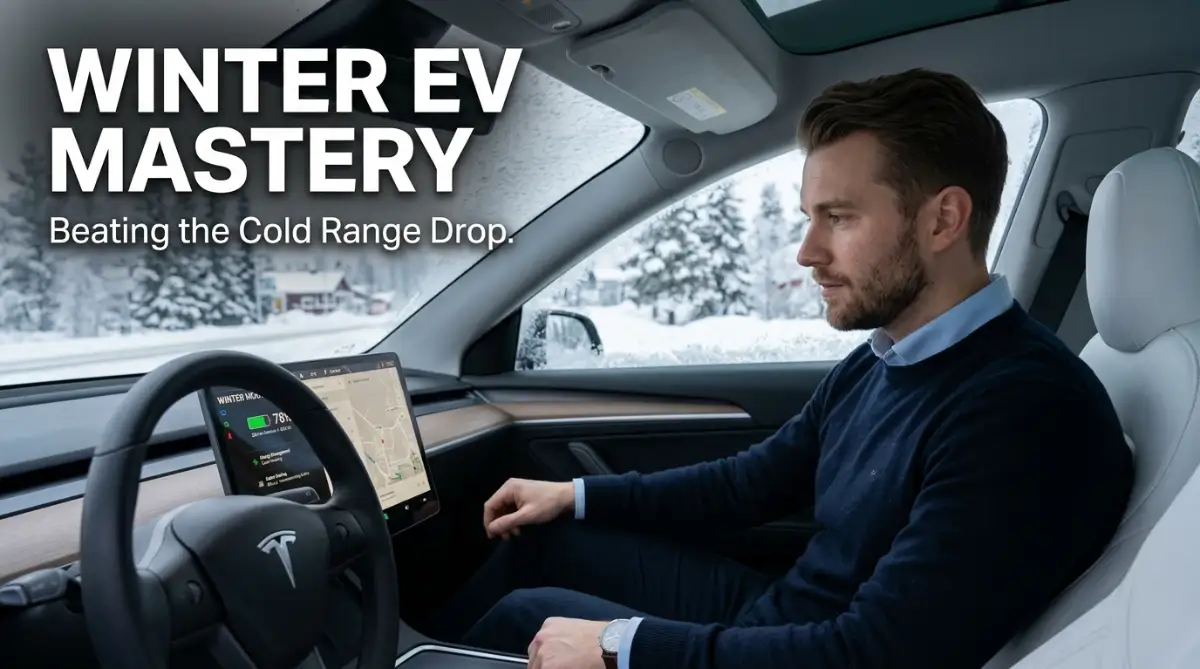
I walked out to my driveway last Tuesday, looked at my dashboard, and felt that familiar pit in my stomach. Thirty miles of range had simply vanished while I slept. If you’ve just bought an EV and the cold weather is making you regret it, take a breath—you’re not alone. I’ve spent three winters testing what actually works and what’s just hype, and I’m going to show you how to keep your miles where they belong: on the road.
Imagine you walk out to your driveway on a beautiful, snowy morning. Your electric car was charged to 100% last night, but as soon as you turn it on, the dashboard tells a different story. The number of miles you thought you had is suddenly much lower.
This moment often brings a cold shiver that has nothing to do with the weather. You start calculating your route to work or the grocery store with a new sense of worry. Will I make it back home without stopping at a charger?
This feeling is what we call "Range Anxiety," and it hits hardest when the temperature drops below freezing. It is a mental burden that many new EV owners carry throughout the winter months. You feel like your expensive technology is failing you exactly when you need it most.
I have spoken with many drivers who felt trapped by their car’s winter limits. They worry about getting stuck on a dark, snowy road with a dead battery. Understanding the "why" behind this energy loss is the first step toward taking your freedom back.
| Winter Habit | Impact on Range | Effort Level |
| :--- | :--- | :--- |
| Pre-conditioning (Plugged in) | +15% to 20% | Very Easy (App) |
| Using Seat Heaters vs. Cabin Air | +10% | Instant |
| Dropping Speed by 10 mph | +12% | Easy |
| Parking in a Garage | +5% | Medium |
❄️ Your Winter EV Cheat Sheet (Quick Tips)
- Warm up while plugged in: Always use your car’s app to pre-heat the battery 30 minutes before you leave.
- Buns over Breath: Use your heated seats and steering wheel instead of blasting the cabin heater to save up to 20% range.
- Watch the PSI: For every 10-degree drop in temperature, your tire pressure drops. Low tires kill efficiency.
- Navigation is Key: Always put your charging stop into the car’s GPS so it can 'pre-condition' the battery for faster charging speeds.
The Slow Dance of Lithium-Ion Chemistry
To solve the winter range problem, we must first look at what is happening inside the battery. Most electric cars use lithium-ion batteries, which rely on a liquid electrolyte to move energy. Think of this liquid like the oil in your car's engine.
When it gets very cold, that liquid becomes thick and sluggish, almost like honey. The lithium ions struggle to move through this thick environment to provide power to your motor. The battery is not actually "losing" the energy; it just cannot access it as easily.
Because the ions move slower, the battery's internal resistance goes up. This means the car has to work harder just to get the same amount of power out of the cells. It is a battle of physics where the cold environment is the main enemy.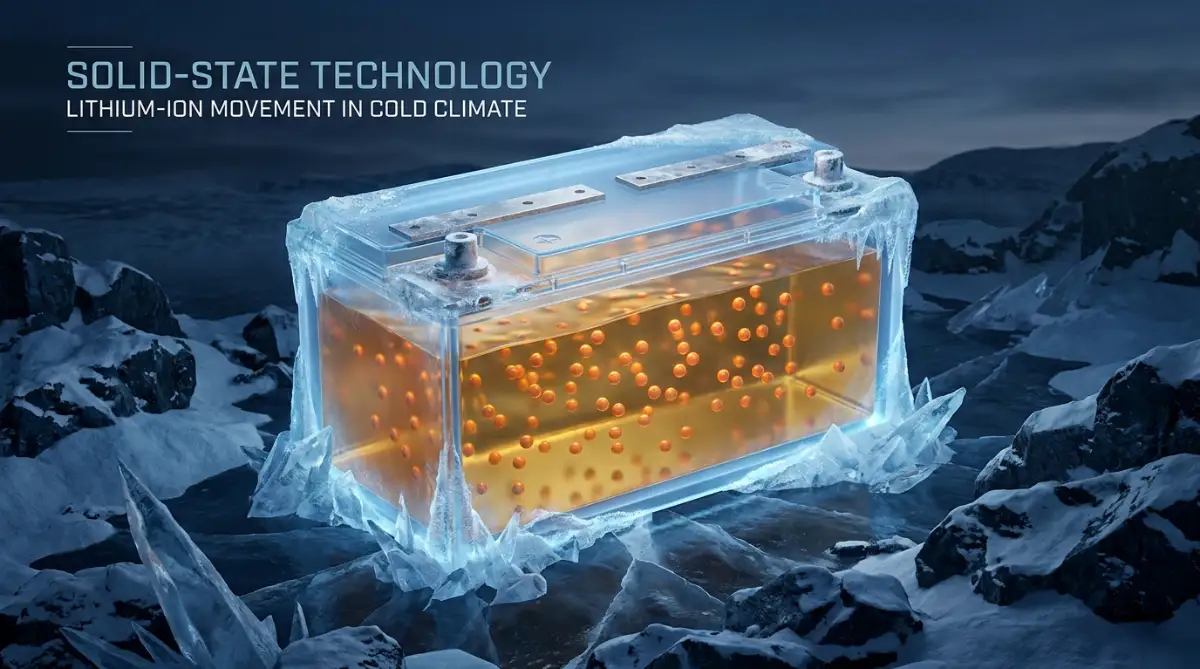
Additionally, cold weather affects how much energy the battery can take in. This is why your fast-charging speed feels much slower at a public station in the winter. The car’s computer slows down the charge to protect the cold cells from damage.
Pre-Conditioning: Giving Your Car a Morning Coffee
If you are still wondering exactly how to set up this pre-conditioning feature, watch this simple video guide. It breaks down the exact steps to warm up your battery from your phone so you never have to step into a freezing cold car again.
One of the most effective ways to beat the frost is a technique called pre-conditioning. Most modern electric vehicles allow you to schedule a departure time through an app. By doing this, the car uses power from your home charger to warm up the battery before you even step outside.
Think of this like a runner warming up their muscles before a big race. A warm battery is a happy battery that can move ions freely from the moment you start driving. You will notice an immediate difference in your available range.
If you leave the car unplugged and cold, it has to use its own stored energy to warm the battery while you are driving. This is a huge waste of power that could have been used to move the wheels. Always try to keep your car plugged in during freezing nights.
Besides warming the battery, pre-conditioning also warms the cabin. This means you can get into a toasty car without using the battery's energy once you hit the road. Starting your journey with a warm environment is a game-changer for winter efficiency.
The Physics of Cabin Heating: Seats Over Air
In a traditional gas car, the engine creates a lot of "waste heat" that is used to keep you warm. Electric cars are too efficient to create that kind of waste, so they have to create heat intentionally. Heating the air inside a car is one of the biggest energy consumers in an EV.
If you blast the cabin heater at 75 degrees, you might see your range drop by 20% or more. A smarter way to stay comfortable is to use the heated seats and heated steering wheel. These systems use direct contact heat, which is much more efficient than blowing hot air.
I recommend setting the cabin temperature a few degrees lower and relying on your seat heaters. You will stay just as warm while keeping more miles on the dashboard. It is a small lifestyle shift that protects your battery's energy for driving.
If your car has a "Heat Pump" system, you are in luck. Heat pumps work like a refrigerator in reverse, moving heat from the outside air into the cabin. This system is much more efficient than traditional electric heaters in cold weather.
Managing Your Speed on the Frozen Highway
Physics plays a bigger role in winter range than most people realize. Cold air is denser and heavier than warm air, which creates more "drag" on your vehicle. Your car has to push through that heavy air, which requires more energy.
When you add snow or slush on the road, the resistance becomes even higher. Your tires have to work harder to maintain grip and push through the messy environment. This is why your "efficiency rating" drops during a winter storm.
To manage this, try to keep your speed steady and slightly lower on the highway. High speeds increase the impact of air density and drag significantly. Driving 65 mph instead of 75 mph can save a surprising amount of range in freezing weather.
Additionally, check your tire pressure frequently during the winter. Cold temperatures cause the air inside your tires to contract, leading to lower pressure. Under-inflated tires create more rolling resistance, which steals even more miles from your battery.
Charging Strategy in the Frost
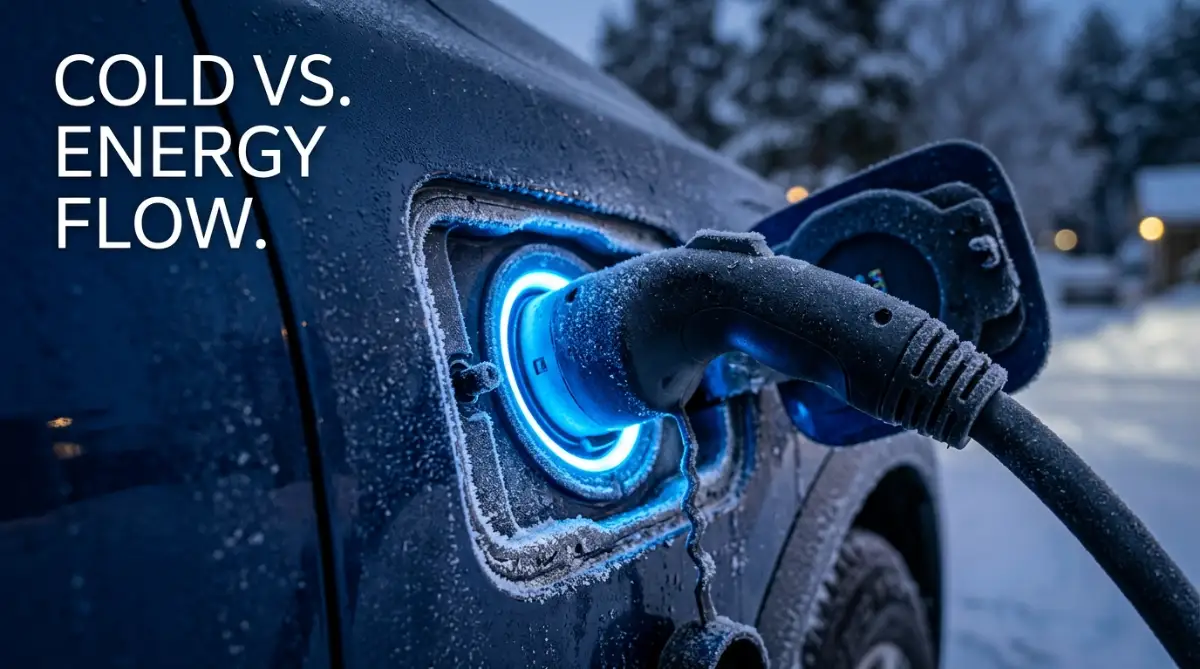
Charging in the winter requires a bit more patience and planning. If you arrive at a fast charger with a cold battery, the speeds will be very disappointing. My biggest rookie mistake was trying to fast-charge a freezing cold battery after leaving my car parked outside all day at the office. I sat at the public charging station for nearly an hour getting almost zero power, wondering if the machine was completely broken. Now, I always set my car's navigation to the charger so the battery warms itself up while I am driving, which literally cuts my charging time in half. The car's management system will limit the power to prevent "lithium plating," which can ruin the battery.
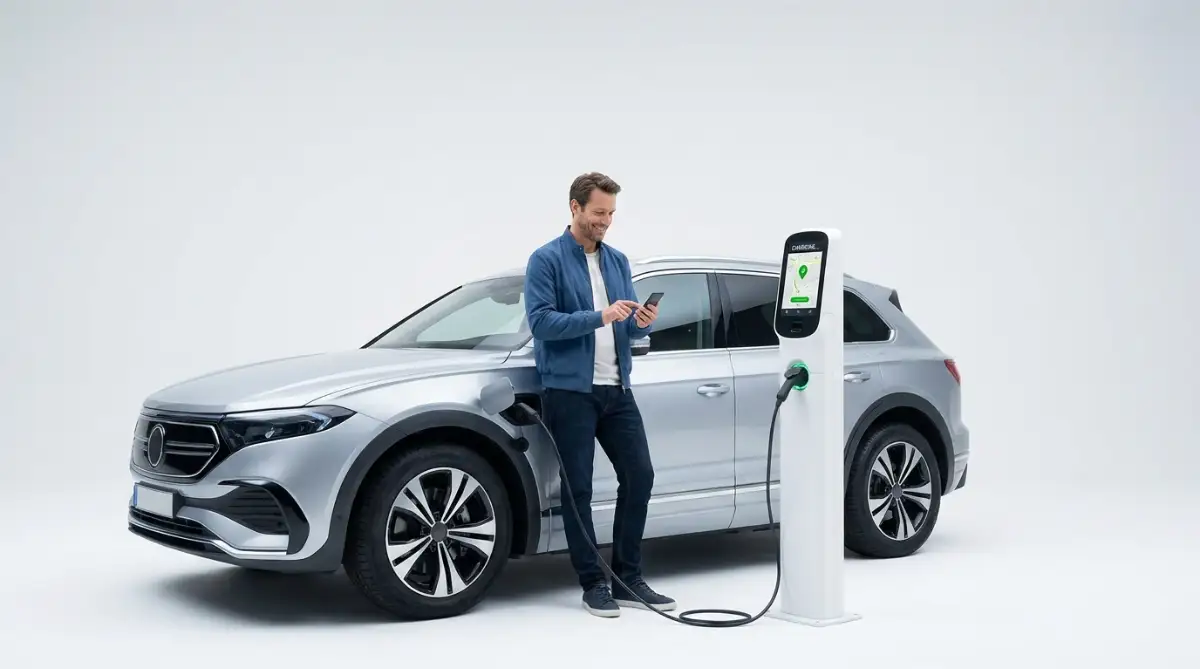
A pro tip is to navigate to the charger using the car’s built-in GPS. Many EVs will recognize you are going to a charger and start warming the battery while you drive. This ensures the battery is at the perfect temperature to accept a fast charge when you arrive.
If your car does not have this feature, try to charge at the end of a long drive rather than the beginning. The act of driving warms the battery naturally through internal friction. A "warm" battery at 20% charge will fill up much faster than a "cold" one.
Additonally, avoid letting your battery level drop too low in the winter. Most experts suggest keeping the battery between 20% and 80% for the best performance. Leaving a car with 5% charge in freezing weather can be risky for the battery's long-term health.
Myth vs. Reality: Does the Cold Kill the Battery?
A common myth is that winter weather permanently damages electric car batteries. This is simply not true. While you lose range temporarily, the battery's capacity returns once the weather warms up.
The "lost" range is actually just energy that is being used for heating or is "locked" by the cold chemistry. Your battery is not broken; it is just performing a different set of tasks. Once spring arrives, you will see those missing miles return to your dashboard.
However, repeated deep discharges in the cold can cause minor wear over many years. This is why following good habits like pre-conditioning is so important. You are not just saving miles for today; you are protecting your car's value for the future.
Another myth is that EVs cannot start in the cold. In fact, electric cars usually start more reliably than gas cars in extreme frost because they do not have oil that needs to thin out or spark plugs that need to fire. As long as there is energy in the battery, the motor will turn.
A Comparison of Winter Energy Consumption
Energy Use Case Impact on Range Best Practice High Cabin Heat High (20-30% drop)Use heated seats/steering wheel Pre-Conditioning Low (uses wall power)Schedule departure while plugged in High Speed (75mph+)Medium to High Keep speed steady and moderate Winter Tires Low to Medium Essential for safety and grip
The Light at the End of the Frost
Living with an electric vehicle in a cold climate is a learning experience. It requires you to be more aware of how energy moves through the system. But once you master these simple habits, the anxiety starts to disappear.
You will find that you can still go everywhere you need to go. You just have to be a little smarter about how you prepare for the journey. The freedom of driving electric is worth the small amount of extra planning.
Your car is a powerful tool, and like any tool, it performs best when you know how to use it. Don't let the cold weather steal your excitement for the future of transportation.
In the next part of this guide, we will look at long-term battery health and more advanced technical tips. You are now well on your way to becoming a winter EV expert.
Keep your battery warm, your tires inflated, and your mind focused on the road ahead. The vanishing miles are a puzzle you now have the keys to solve.
Smart Strategies to Protect Your Battery Energy in the Frost
To truly master winter driving, you need to go beyond the basics of cabin heating. You have to understand that your electric car is a living system that reacts to its environment. Professional drivers use specific techniques to keep their cars happy when the thermometer drops.
One big secret is managing your State of Charge (SoC) during extreme cold. You should never let your battery sit at a very low percentage (like below 10%) overnight in freezing weather. The cold can cause the voltage to drop even lower, making it hard for the car to wake up the next morning.
Ideally, keep your car between 40% and 80% charge if you plan to leave it parked in the cold. This provides enough "buffer" for the car to run its own internal heater to keep the battery cells from freezing. Think of this like leaving a small pilot light on in a furnace.
You should also look deep into your car’s Eco-Mode settings. In many vehicles, Eco-Mode does more than just slow down the acceleration. It often adjusts the thermal management system to be more efficient with how it moves heat around.
My Personal Rule of Thumb: I always treat 20% battery as my new 'Zero' when it’s below freezing. Cold batteries can have voltage drops that make the last 10% very unpredictable. If you're heading home in a snowstorm, don't play 'range chicken' with the battery—find a charger once you hit that 20% mark. It’s better for the battery’s health and way better for your stress levels.
Using this mode in winter can help you stretch your range by preventing the car from wasting energy on aggressive heating. It is about making small sacrifices in speed and heat for a much longer journey.
Another expert tip involves your Regenerative Braking system. When a battery is very cold, it cannot accept energy quickly. If you try to use "One-Pedal Driving" on a freezing morning, you might notice the car doesn't slow down as fast as usual.
The car is protecting the battery from a "surge" of cold energy. I recommend driving gently for the first ten minutes to let the battery warm up naturally. Once the battery is warm, you can turn your regen settings back to high to start capturing that "free" energy again.
Lastly, never underestimate the power of a simple garage. Even if your garage is not heated, it stays much warmer than the driveway. According to data from the U.S. Department of Energy, keeping a vehicle in a warmer environment significantly improves cold-start efficiency.
A garage protects the car from the "wind chill" effect, which can pull heat out of the battery much faster. Keeping your car out of the wind is like putting a jacket on it. It keeps the internal systems from having to fight the cold every single second.
 The Hidden Habits That Secretly Drain Your Winter Range
When we are cold and tired, we often make mistakes that seem small but have a huge impact on our car's performance. The most common mistake is waiting until the last minute to charge. In winter, a "cold" battery takes a very long time to start charging.
If you arrive at a fast charger with a battery that has been sitting in the cold all day, you will be disappointed. The charger will move at a snail's pace while the car uses electricity just to heat the battery. You might spend an hour at the station just to get a 20% charge.
Always try to charge right after you have been driving for a while. The act of driving generates heat inside the battery. A warm battery is ready to drink energy quickly, saving you time and money.
Another emotional pitfall is "Cabin Heat Panic." Many people get so worried about their range that they turn the heater off completely. They end up driving in a freezing car with fogged-up windows. This is dangerous and often unnecessary.
Instead of turning the heat off, use the "Driver Only" mode if your car has it. This focuses the heat on you and stops wasting energy on empty seats. Being safe and comfortable is better than saving two miles of range.
Ignoring your tire pressure is another "silent" mistake. We talked about air density earlier, but many people forget that cold air makes tires go flat. Driving on low-pressure tires is like trying to run through sand.
It creates a huge amount of resistance that forces the motor to work harder. This is a lot like silent credit score killers ruining your chances for a mortgage approval. You don't see the damage happening in the moment, but it ruins your overall results in the end.
I also see many owners forgetting to clear all the snow off their cars. Leaving a heavy pile of snow on the roof adds weight and ruins the car's aerodynamics. The motor has to fight the wind and the extra weight at the same time.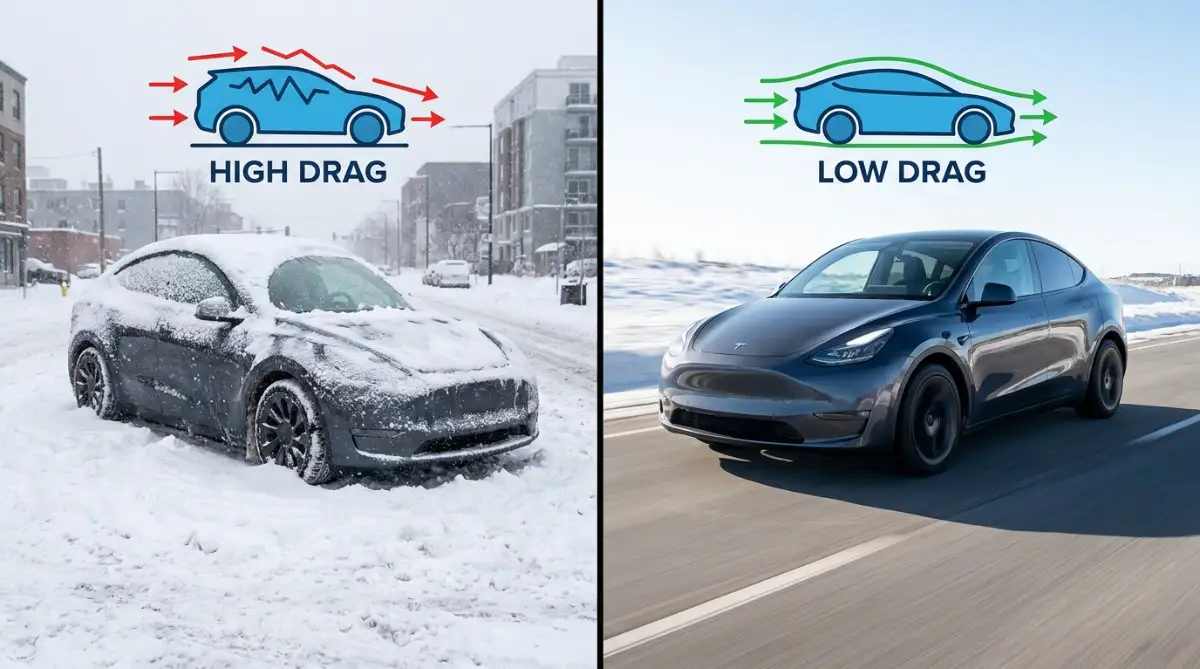
Take two minutes to brush off the snow completely. It keeps you safe and keeps your car moving through the air with less effort. A clean car is a more efficient car, especially in the winter.
Scientific studies in the Journal of Energy Storage show that repeated "cold-charging" can lead to faster battery wear over time. By being patient and warming the battery first, you are protecting the long-term life of your vehicle. Think of it as a small investment in your car's future value.
Lastly, be careful with "Short Trip Syndrome." If you take five different 2-mile trips in one day, your car has to heat the battery and the cabin five different times. This uses a massive amount of energy compared to one 10-mile trip. Try to group your errands together so the car stays warm between stops.
Making these mistakes is human, but being aware of them is what makes you an expert owner. It is very similar to making costly mistakes you are probably making when filing a health insurance claim. If you don't know the rules, you end up paying a higher price than you should.
Your Roadmap to Stress-Free Winter Driving
The road through winter does not have to be full of anxiety and fear. You are in control of how your vehicle performs. By understanding the science of the cold, you can plan your trips with absolute confidence.
We have learned that the battery is not "broken," it is just moving slower. We have learned that heat is a resource that must be managed with care. Most importantly, we have learned that preparation is the ultimate key to success.
Start your day by checking your app and pre-heating your car while it is still plugged in. Check your tire pressure once a week when the temperature drops. These small habits build a wall of protection around your range.
Don't let the fear of "vanishing miles" stop you from enjoying your electric vehicle. The quiet, smooth drive of an EV in a snowy forest is a beautiful experience. With the right knowledge, you can enjoy that beauty without worrying about the next charger.
I want you to feel empowered every time you get behind the wheel this winter. You have the tools, the tips, and the science to win the battle against the frost. Your car is a marvel of engineering, and you are now its master.
Keep learning, keep exploring, and keep sharing your winter tips with other new owners. We are all moving toward a cleaner future together. The cold weather is just a small hurdle on a very long and exciting road.
Take a deep breath, turn on your heated seat, and enjoy the drive. You are ready for whatever the winter throws your way. The road ahead is clear, and your battery is prepared.
Actionable Winter Success Checklist
- Plug in every night to allow for morning pre-conditioning.
- Schedule your departure via the car app to warm the battery using wall power.
- Use seat and steering wheel heaters as your primary source of warmth.
- Keep your tires at the correct PSI for cold temperatures.
- Navigate to chargers using the car’s GPS to trigger battery pre-heating.
- Group your errands together to keep the car warm and avoid multiple cold starts.
- Drive smoothly and avoid high-speed highway runs when the range is tight.
A Note from the Expert: Always keep an emergency kit in your car during winter. This should include a warm blanket, water, and a portable phone charger. While we work hard to manage our range, being prepared for the unexpected is part of being a responsible driver.
Learning to drive an electric car in the winter used to feel like a stressful math test, but now it just feels like second nature. Once you build these simple heating and charging habits into your daily routine, that scary range anxiety completely disappears. Plug your car in tonight, set that morning warm-up schedule on your app, and get ready to enjoy a perfectly cozy, stress-free drive tomorrow!
Disclaimer: The information in this article is for educational purposes only. Every electric vehicle is different, and you should always consult your owner's manual for specific winter driving instructions for your model. Battery performance can vary based on age, health, and specific weather conditions. We are not responsible for any issues that may arise from following these general tips. Always prioritize safety over range savings during extreme weather events.