
The Late-Night Scrolling Trap I Couldn't Escape
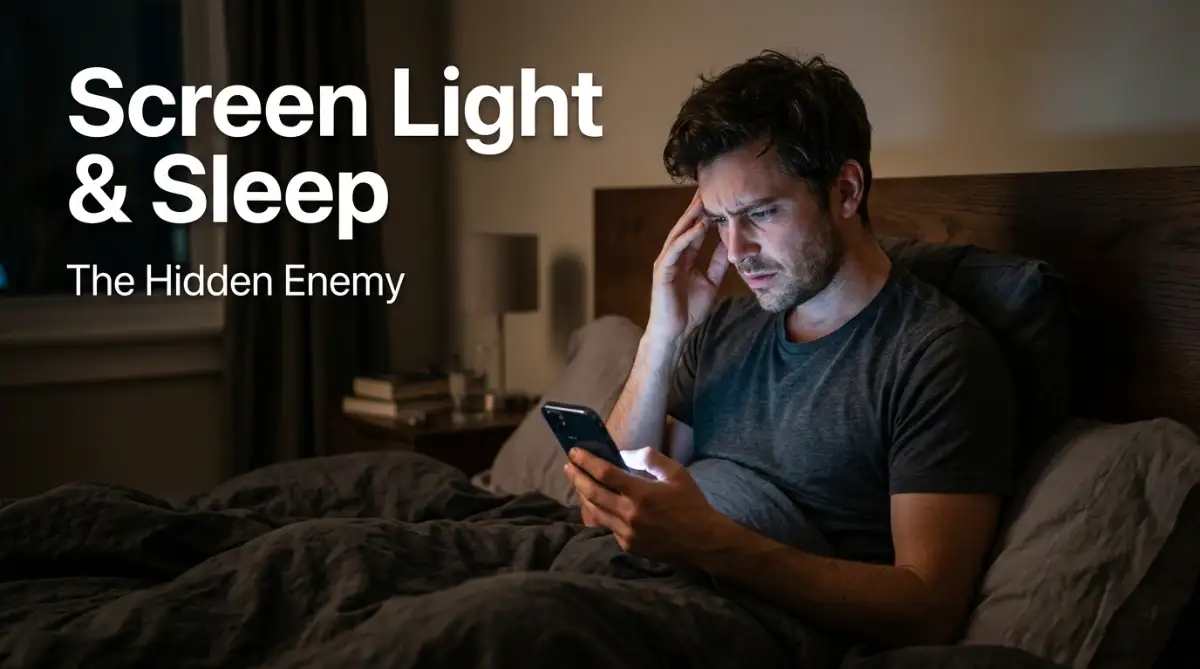
I used to think I was just a natural night owl. Every single night, I would lie in bed with the lights off, promising myself I would only check my phone for five more minutes.
Those five minutes almost always turned into two hours. I would scroll through social media, read random articles, or watch videos until my eyes physically hurt.
When I finally put the phone down, expecting to drift right off to sleep, my brain felt like it was running on a treadmill. I would toss and turn for hours.
My mind was racing, my eyes felt dry, and an overwhelming sense of frustration would wash over me. I kept looking at the clock, doing the math on how few hours of sleep I had left before my alarm would go off.
The mornings were even worse. I would wake up feeling like I had not slept a single minute. My head would pound, and a thick brain fog followed me around all day.
I relied entirely on multiple cups of coffee just to feel somewhat human. It started affecting my mood, making me snap at friends, and ruining my focus at work.
I blamed stress. I blamed my mattress. I even blamed what I ate for dinner. But I completely ignored the glowing rectangle I was pressing directly into my face every night.
Millions of people are living this exact same exhausted reality right now. We drag ourselves through the day, completely drained of energy, unaware that our beloved gadgets are silently stealing our mental peace.
What That Glowing Screen Is Actually Doing to Your Brain
To solve this massive energy drain, we first need to understand the simple biology happening behind our eyes. It all comes down to how our bodies have evolved over thousands of years.
Long before smartphones, tablets, and laptops existed, humans relied entirely on the sun. When the sun came up, the bright light told our brains it was time to hunt, gather, and be active.
When the sun went down and darkness fell, our brains received a signal to release a natural chemical called melatonin. Melatonin is basically your body's built-in sleeping pill.
It slowly lowers your body temperature, relaxes your muscles, and tells your nervous system that it is time to shut down and repair.
The Fake Sun in Your Pocket
Here is where modern technology completely breaks this natural system. The screens on our phones, televisions, and computers emit heavily concentrated artificial light.
Specifically, they blast out a very short, energetic wavelength known to scientists as blue light.
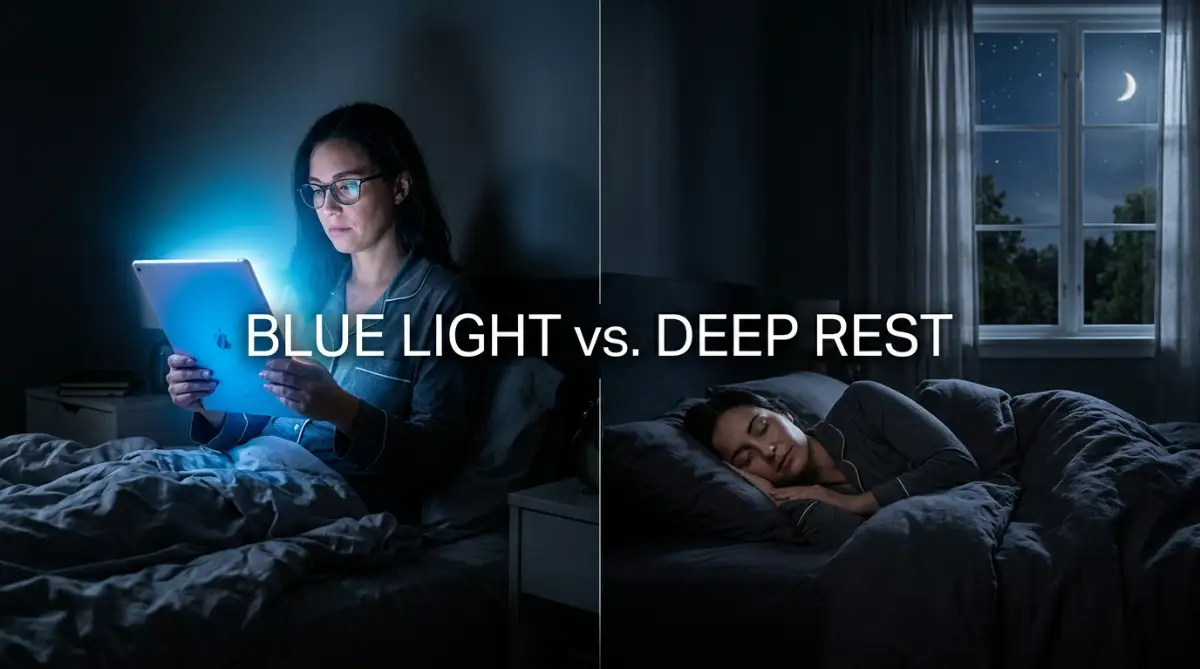
When you stare at your screen at midnight, your eyes absorb this bright energy and send a very confusing message straight to your brain.
Your brain suddenly thinks, "Wait a minute, the sun is shining directly into my eyes! It must be morning!"
Because your brain believes it is daytime, it immediately slams the brakes on your melatonin production. Without that sleepy chemical flowing through your bloodstream, you simply cannot feel tired.
You might feel physically exhausted, but your brain is wired and wide awake. This is why you can feel completely dead on the couch, but the second you get into bed and open TikTok, you are suddenly alert.
Myth vs. Reality: The "Night Mode" Illusion
Let's clear up a massive misunderstanding about our devices.
The Myth: If I turn my phone screen brightness down or switch on "Dark Mode," it is perfectly safe to use right until I close my eyes.
The Reality: Dark mode and lowered brightness definitely help reduce painful eye strain in a dark room. However, they do not stop the light from suppressing your sleep chemicals.
Even a very dim light shining directly into your eyes from six inches away is enough to trick your internal body clock.
My Personal Mistake (Pro Tip):
I used to put my phone on its warmest "Night Shift" setting, thinking I had totally outsmarted the system. I would scroll for hours with a yellow-tinted screen, wondering why I still could not sleep. I finally realized that any engaging digital content paired with any screen light keeps your mind active. The best filter for your phone at night is putting it in another room.
The Secret to Restoring Your Natural Body Clock
A Quick Wake-Up Call About Our Digital Habits
Watch this quick breakdown on exactly how artificial lighting is confusing your biology. This short video perfectly illustrates why taking breaks from your screen is the ultimate game-changer for your daily energy.
Now that we know exactly how these gadgets are hijacking our internal clocks, we can start taking our control back.
You do not need to throw your expensive smartphone in the trash or completely abandon your favorite evening Netflix shows.
Fixing your rest is all about managing your exposure and creating smart boundaries. Let's look at some incredibly simple, science-backed changes you can make tonight.
The 90-Minute Digital Sunset
The most effective habit you can ever build is giving your brain a warning that bedtime is approaching. Think of it like a plane preparing to land. You cannot just drop out of the sky; you need a slow descent.
Experts highly recommend creating a "digital sunset" at least 90 minutes before your head hits the pillow.
This means shutting down the laptop, turning off the television, and putting your phone on a charger across the room.
During this 90-minute window, your environment needs to completely change. Dim the overhead lights in your house or switch to small, warm-colored lamps.
By removing the bright artificial glare, you allow your body to naturally produce all the melatonin it needs for a deep, uninterrupted rest.
Swapping Tech for Tactile Habits
One of the biggest struggles people face with the digital sunset is boredom. If you are used to scrolling Instagram for two hours, sitting in a dim room doing nothing will drive you crazy.
You have to replace the bad habit with a good, relaxing one.
Grab a physical, paper book. Reading a real book under a soft reading lamp does not blast concentrated light directly into your eyes.
Alternatively, you could try writing down your thoughts in a physical journal. Many people cannot sleep because they are stressing about the next day.
Writing down your to-do list on real paper gets those stressful thoughts out of your head so your brain can finally relax.
The Distance Rule: Not All Screens Are Equal
Sometimes, avoiding all screens is just not realistic. Maybe you want to watch a movie with your family on a Friday night.
In these situations, you need to understand the simple rule of distance.
The closer a light source is to your face, the more intensely it affects your internal clock.
A television sitting ten feet away from your couch is significantly less harmful than a smartphone sitting five inches from your nose.
If you absolutely must consume media before bed, always choose the screen that is furthest away from you.
Creating a Tech-Free Sanctuary
Your bedroom needs to have one single purpose. It should be a place of quiet relaxation.
When you bring your laptop into bed to answer work emails, you are training your brain to associate your mattress with stress and productivity.
When you play fast-paced video games in bed, you are teaching your nervous system to stay highly alert under your blankets.
Make a firm, unbreakable rule starting today: No glowing gadgets in the bedroom.
Buy a cheap, old-school digital alarm clock so you do not have an excuse to keep your phone on your nightstand.
When you remove the temptation completely, you will be shocked at how quickly your mind learns to power down.
Using Physical Barriers for Screen Light
If your job requires you to stare at a computer late into the evening, you need physical protection for your eyes.
Software filters are great, but physical barriers are often much better.
Invest in a high-quality pair of blue-light-blocking glasses. Look for the ones with amber or orange-tinted lenses, as they block the highest percentage of harsh digital wavelengths.
While they might look a little funny, wearing them two hours before you log off can severely reduce the tension headaches and dry eyes that ruin your night.
The Importance of the Morning Counter-Attack
Surprisingly, one of the best ways to fight nighttime screen damage is to change what you do the moment you wake up.
Your internal body clock resets itself every single morning based on light exposure.
Most of us wake up, grab our phones in the dark, and stumble to a dark bathroom. We stay inside artificial lighting all morning.