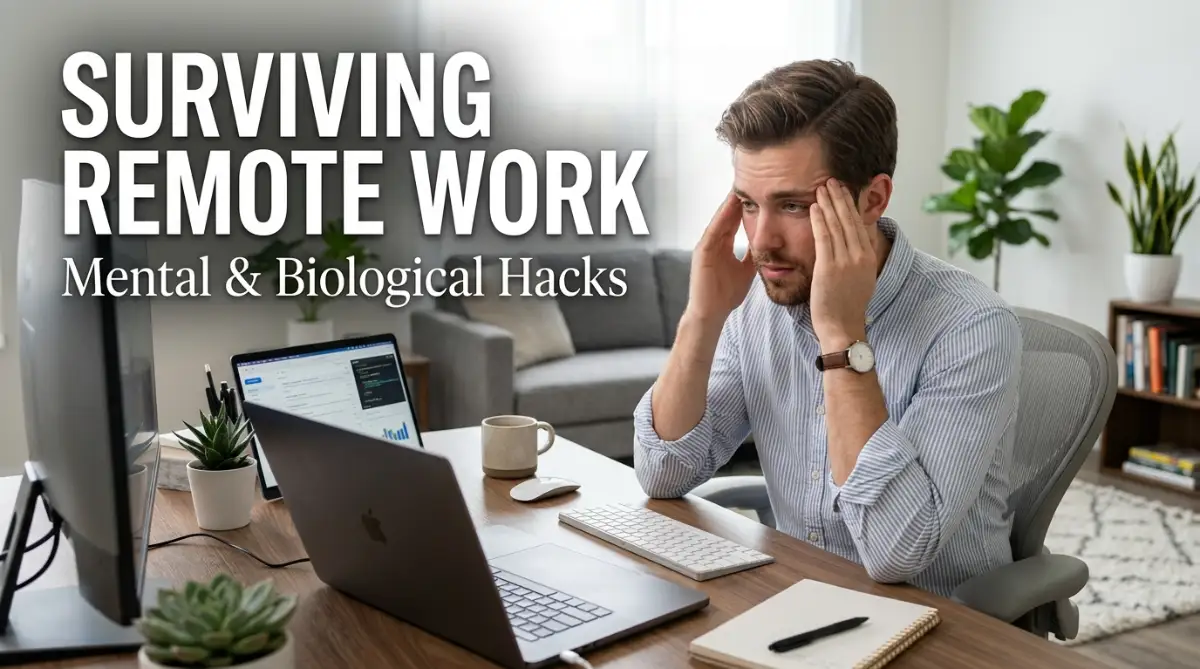
The Silent Trap of Bringing Your Office into the Bedroom
Working from home sounds like the ultimate dream until you realize you haven't put on actual shoes in three days and your back constantly aches. When I first ditched my office commute, I loved working from my cozy couch in pajamas. But a few months later, my sleep was wrecked, my energy crashed every afternoon, and I felt like I was living inside my laptop. The truth is, bringing your office into your bedroom completely breaks your biological clock. Let me show you exactly why your brain feels so exhausted and how to build invisible boundaries to get your life back today.
At first, this sounds like the ultimate dream. No traffic, no crowded trains, and no boss breathing down your neck. But after a few months, a strange heaviness starts to settle in your chest.
Your days begin to blur together into one giant, endless loop. You feel completely exhausted by 4:00 PM, even though your step counter says you have only walked 300 steps all day. The lines between your professional responsibilities and personal peace are completely erased.
This is the hidden reality of shifting to a home-based career. We often talk about the financial freedom and flexibility this lifestyle offers. Yet, we rarely discuss what happens to our bodies and minds when our entire world shrinks to the size of a single room.
You might feel guilty for being tired. You might ask yourself, "Why am I so stressed when I literally work from my sofa?" Please know that you are not alone, and it is not in your head.
Human beings simply were not built to stare at screens in isolation for eight hours straight without changing environments. Your brain is confused, your biological clock is broken, and your body is craving movement. Let us look closely at exactly what is happening beneath the surface and how we can fix it.
Why Your Body is Confused (The Science)
| What You Do at Home | What Your Brain Thinks | How to Fix It Today |
| :--- | :--- | :--- |
| Staring at a screen in bed | "The bedroom is a stressful workspace." | Never bring your laptop into the room where you sleep. |
| Sitting 8 hours straight | "We are hibernating to save energy." | Keep your water bottle in another room so you must stand up. |
| No morning sunlight | "It is still nighttime, keep producing sleep hormones." | Walk outside for 10 minutes before checking your phone. |
When I first started working from my living room, I honestly thought I was living the absolute dream. But within a few months, I found myself crying on the couch at 3 PM because I was so exhausted and lonely, even though I had not left the house all day. My sleep schedule completely broke down, and I realized my cozy home had slowly turned into a stressful prison that I needed to escape.
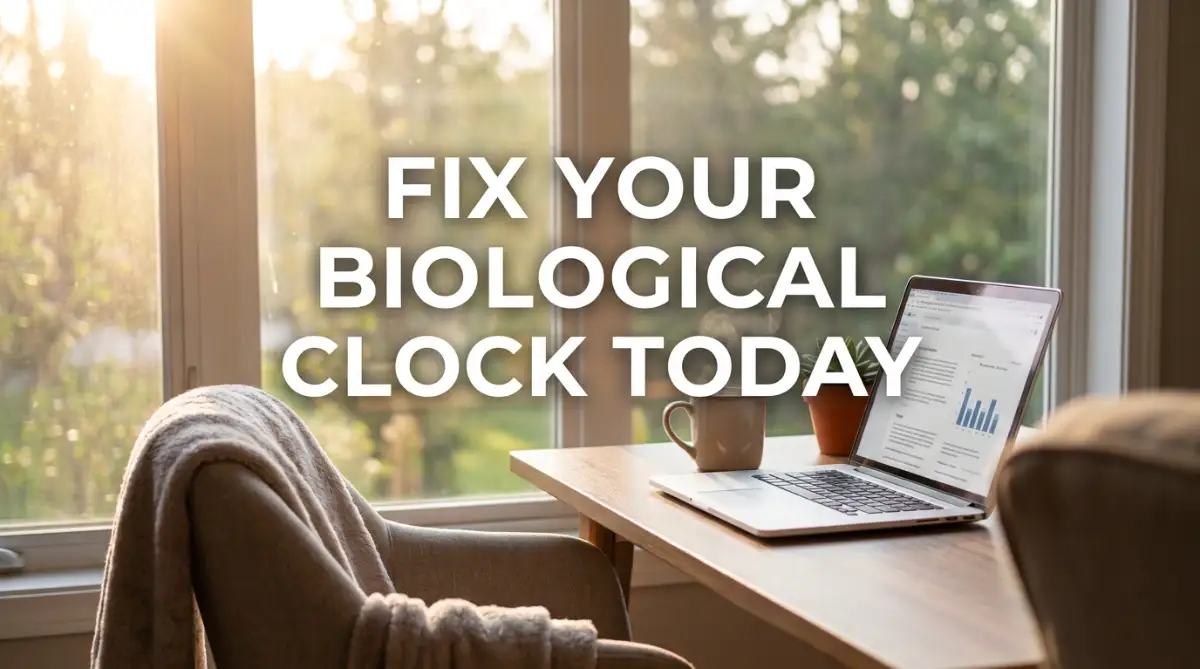
Your Quick Guide to Beating WFH Burnout
- Fix Your Morning Light: Step outside for 10 minutes within half an hour of waking up. Sunlight resets your biological clock and stops afternoon fatigue.
- Stop Hibernate Mode: Your body shuts down when you sit still for hours. Force movement by keeping your water or coffee in another room.
- Create a Fake Commute: When work is over, hide your laptop out of sight and take a 15-minute walk. Your brain needs a physical signal that the workday has ended.
- Protect Your Eyes: Use the 20-20-20 rule. Look at something 20 feet away for 20 seconds every 20 minutes to prevent painful screen headaches.
Rewiring Your Brain and Body for a Home-Based Career
To solve this problem, we need to understand the science behind it. When you remove the daily commute, the office lighting, and the casual chats with coworkers, your body loses its daily anchors.
Your brain needs clear signals to know when to be alert and when to rest. Without these signals, you end up in a permanent state of "grey zone" living. You are never fully focused at work, and you are never fully relaxed during your time off.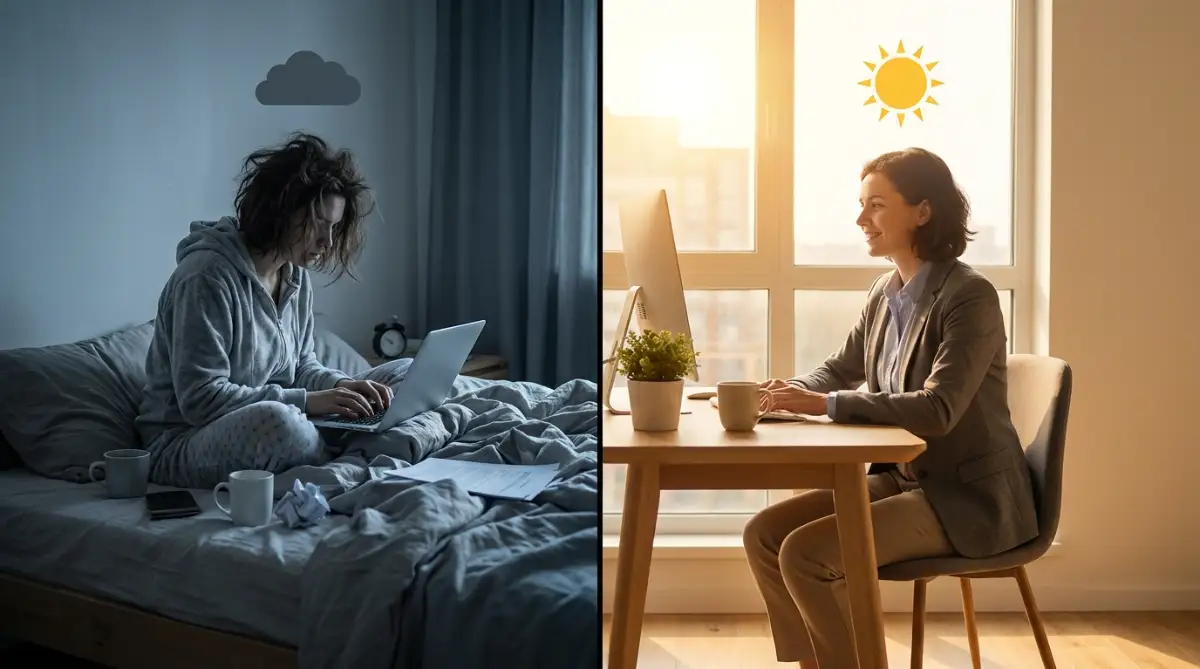
Below, we will explore practical, science-backed steps to rebuild your physical and mental boundaries. These are simple actions you can apply starting today to get your energy back.
Resetting Your Confused Biological Clock
The biggest biological challenge of staying home all day is the disruption of your circadian rhythm. This is your body's internal 24-hour clock. It controls your sleep cycle, hormone release, and daily energy levels.
When you worked in a traditional office, you probably walked outside to catch a bus or drive your car. That morning sunlight hit your eyes, telling your brain to stop producing melatonin (the sleep hormone) and release a healthy dose of cortisol to wake you up.
Now, your morning commute is a short walk down the hallway. Your eyes only see artificial indoor lighting, which is not bright enough to properly wake up your brain.
The Morning Sunlight Protocol
To fix this, you must artificially create your old morning routine. Within 30 minutes of waking up, step outside. You do not need to do a full workout; just stand on your balcony or take a brief walk around your block.
Let the natural daylight hit your eyes for at least 10 to 15 minutes. Do not wear sunglasses during this specific time. This simple habit completely resets your biological clock.
You will notice a massive difference in your morning energy levels. Even better, this early sunlight exposure sets a timer in your brain, helping you fall asleep much faster at night.
Overcoming the Sedentary Comfort Trap
When we talk about the physical challenges of a home office, we have to talk about movement. In a normal workplace, you walk to the meeting room, stroll to the cafeteria, and pace around while talking to colleagues.
Health experts call this Non-Exercise Activity Thermogenesis (NEAT). It is the energy we burn doing random daily movements. When you work from home, your NEAT levels drop to almost zero.
You sit in your chair, stare at your monitor, and occasionally walk to the kitchen. This severe lack of movement slows down your metabolism and causes blood to pool in your legs. It is a major reason why you feel so incredibly sluggish by the afternoon.
Designing an Environment for Unconscious Movement
You cannot rely on willpower alone to move more. You need to design your workspace so that movement happens naturally.
Start by placing your water bottle across the room instead of right next to your keyboard. Every time you want a sip of water, you will have to stand up and walk. It sounds slightly annoying, but that is exactly the point.
Consider taking all your phone calls while pacing around your living room. If you have the budget, a standing desk is a great investment. The goal is not to run a marathon inside your house, but to keep your blood flowing smoothly all day long.
If you feel stiff and tired from sitting in your chair all day, watch this quick video below for some incredibly easy desk stretches you can do right now, and then keep reading to learn the secret mental trick of a "fake commute."
Expert Insight: Sitting in the exact same position for hours sends a signal to your brain that it is time to hibernate. Frequent, tiny movements keep your nervous system active and alert.
Building Invisible Walls for Psychological Detachment
One of the hardest mental hurdles is learning how to "leave" work when your office is also your living space. When the laptop is always sitting on your kitchen table, your brain never fully disconnects.
This leads to chronic low-level stress. You might find yourself checking emails at 9:00 PM just because the computer is right there. Your brain becomes like an internet browser with 50 tabs open; it never gets a chance to shut down and cool off.
Mastering the "Fake Commute"
Since you no longer have a physical drive home to decompress, you need to invent one. A "fake commute" is a deliberate activity that signals the end of your workday.
When your shift is over, completely shut down your laptop. Do not just put it to sleep; turn the power off. Close the lid and physically hide it in a drawer or a bag out of sight.
Immediately after, leave your house for a 15-minute walk. Listen to a podcast or your favorite music. When you return through your front door, you are no longer a worker. You are now just a person relaxing at home.
My biggest mistake was keeping my work laptop open on the kitchen island right until dinner time, which made me feel like I was always on the clock. The moment I started physically hiding my laptop in a drawer at 5 PM and taking a quick ten-minute walk around the block, my brain finally understood that the workday was actually over.
The Chemistry of Digital Isolation
We severely underestimate how much our mental health relies on tiny social interactions. In an office, you experience micro-moments of connection. You smile at the receptionist, joke with a coworker about the coffee machine, or share a quick story before a meeting.
These small interactions trigger the release of oxytocin and dopamine in your brain. These chemicals make us feel safe, happy, and connected to a community.
When you sit alone in a room for 40 hours a week, you are starved of these neurochemicals. Text messages and email threads do not provide the same biological response. Over time, this extreme isolation can lead to feelings of anxiety and deep loneliness.
Engineering Real Human Connection
You must become highly intentional about your social life. You can no longer rely on your job to provide you with friends and daily interactions.
Schedule at least one interactive break a day. Instead of sending an email, call your colleague on the phone to discuss a project. Hearing a real human voice makes a huge difference to your nervous system.
Make firm plans for your weekends or evenings. Join a local club, go to a gym, or simply work from a busy coffee shop twice a week. Being around the ambient noise of other humans can trick your brain into feeling less isolated.
Myth vs Reality: The Truth About Working from Home
There are many false ideas about what makes a successful remote lifestyle. Let us clear up some of the most common misunderstandings.
Myth: You can save time by working straight from your bed in your pajamas.
Reality: The clothes you wear act as a powerful psychological trigger. Dressing in comfortable but actual "day clothes" tells your brain that it is time to perform. Working from bed confuses your brain, often leading to severe insomnia at night.
Myth: Remote workers have more free time because they don't commute.
Reality: Without strict boundaries, remote workers actually end up working longer hours. The guilt of being away from the keyboard often makes people overcompensate by being available 24/7.
Myth: Taking breaks makes you look lazy to your remote employer.
Reality: Regular breaks prevent mental fatigue. Stepping away from the screen for five minutes every hour actually improves the quality of your output.
A Quick Comparison: Office Life vs Remote Reality
To fully understand the shift your body has gone through, look at this simple breakdown. Acknowledging these changes is the first step to fixing them.
Escaping the Screen Fatigue Epidemic
Another massive biological challenge is what happens to our eyes and facial muscles. When we communicate through video calls, we are forced into an unnatural staring contest.
In real life, people look away, glance at their notes, and move their bodies while talking. On a webcam, you feel trapped in a small box, forced to maintain intense eye contact. This causes a very specific type of mental exhaustion.
Your brain has to work twice as hard to read body language that is barely visible on screen. This constant intense focus drains your energy reserves rapidly.
The 20-20-20 Rule and Audio-Only Calls
You need to give your visual system a break. Start applying the 20-20-20 rule immediately. Every 20 minutes, look at an object that is at least 20 feet away for a full 20 seconds.
This simple exercise relaxes the tiny muscles inside your eyes. It prevents the burning sensation and the dull headaches that often appear by late afternoon.
Also, push back against the culture of video calls. Ask your team if certain meetings can be done as audio-only phone calls. This allows you to walk around your room, stretch your back, and rest your eyes while still participating actively.
Optimizing Your Diet for a Sedentary Routine
When the refrigerator is only ten steps away, emotional eating becomes a massive problem. In an office setting, you usually eat what you packed. At home, boredom easily disguises itself as hunger.
When you feel stressed about an upcoming deadline, you might wander into the kitchen seeking a quick dopamine hit from sugary snacks. Because your daily physical activity is already low, this habit can quickly affect your physical health and self-esteem.
To manage this, you must separate your workspace from your eating space. Never eat your lunch while staring at your email inbox. Taking your plate to a different room forces a physical and mental break.
Prepare your meals and snacks the night before, just like you would if you were going to a real office. This prevents you from making poor, impulsive food choices when you are feeling tired and hungry in the middle of the day.
Strategies for Long-Term Physical and Mental Endurance
Once you understand the basic biological shifts happening in your body, it is time to look at long-term sustainability. Working from your living room for a few weeks is easy. Doing it for several years requires a completely different level of mental discipline.
Many remote workers eventually hit a wall of exhaustion. They mistakenly think they just need more sleep or a stronger cup of coffee. In reality, their environment is quietly draining their cognitive energy every single day.
To thrive in a home-based career, you have to outsmart your own brain. You must intentionally design your day to protect your focus and your physical posture. Let us explore some advanced psychological and physical habits that separate successful remote workers from those who constantly struggle.
The Psychology of Environmental Design
Your brain relies heavily on context clues to know how to behave. When you walk into a kitchen, your brain prepares for food. When you sit on a comfortable living room couch, your brain expects relaxation and entertainment.
If you bring your laptop to that same couch to finish a project, a massive internal conflict happens. Your brain is trying to relax, but your eyes are reading a stressful email. This mixed signal forces your brain to work twice as hard to maintain concentration.
You must assign specific tasks to specific locations in your home. If you do not have a spare bedroom for an office, designate a specific chair at your dining table just for work. Never sit in that exact chair when you are eating a meal or browsing social media.
This strict physical boundary builds strong context-dependent memory. Over time, the moment you sit in your "work chair," your brain will automatically switch into focus mode. Whether you are managing clients or figuring out how to build a successful freelance proofreading business from scratch, this environmental trick boosts your daily output naturally.
Mastering the Art of "Digital Sunsets"
We briefly discussed natural morning sunlight earlier. However, how you end your day is just as important for your biological clock. The screens we stare at emit high levels of blue light, which tricks our bodies into thinking it is still daytime.
If you work late into the evening, your brain stops producing the hormones needed for deep, restorative sleep. You might fall asleep, but you will wake up feeling incredibly groggy.
To fix this, implement a strict "digital sunset" at least one hour before you plan to sleep. Turn off your monitors, put your phone in another room, and switch to soft, warm lamps in your house. Reading a physical book or listening to an audiobook during this time allows your nervous system to cool down properly.
Overcoming the Invisible Exhaustion of Screen Time
Staring at a glowing rectangle for eight hours does more than just tire your eyes. It slowly changes your posture and your breathing patterns.
Health experts have identified a phenomenon called "screen apnea." When people read emails or scroll through digital tasks, they unconsciously hold their breath or take very shallow breaths. This lack of oxygen triggers a mild fight-or-flight response in the body, leading to unexplained anxiety by the late afternoon.
You must become highly aware of your breathing while working. Place a small sticky note next to your webcam that simply says "Breathe." Taking deep, intentional breaths from your stomach resets your nervous system and instantly lowers your stress levels.
Additionally, you need to protect your vision. Prolonged screen time causes severe dryness and blurred vision. By understanding the exact mechanics of digital eye strain, you can actively prevent headaches by blinking more frequently and using proper monitor distance.
Setting Boundaries with Asynchronous Communication
One of the biggest energy drains for remote workers is the expectation of instant replies. We feel the urge to respond to messages within seconds to prove that we are actually working. This completely shatters our ability to do deep, meaningful work.
Every time a notification pops up, your focus is broken. It takes the average person nearly twenty minutes to regain their previous level of concentration. You are constantly shifting gears, which burns through your daily mental energy rapidly.
To fix this, transition into asynchronous communication. Inform your clients or team that you only check messages at specific times, like 10:00 AM and 3:00 PM. Mute non-essential notifications outside of these blocks so you can work in complete peace.

The Hidden Traps That Destroy Remote Workers
Even with the best intentions, many people fall into dangerous habits when working from home. These traps usually start off as small comforts. Over time, they snowball into serious physical pain and deep emotional burnout.
It is incredibly easy to blur the lines between your personal life and your professional responsibilities. When your kitchen, bedroom, and office are all the same place, you can quickly lose your sense of self. Let us closely examine the most common mistakes that completely ruin the remote work experience.
The Illusion of Being "Always Available"
The most destructive mistake you can make is keeping your work applications on your personal phone. When Slack or work emails push notifications to your pocket at 8:30 PM, you are never truly off the clock.
You might think replying to a late-night message shows dedication. In reality, you are teaching people that your personal time has no value. When you act like an internet robot that never sleeps, it hurts your professional image.
In fact, failing to set professional boundaries is exactly why top clients skip your resume and ignore hidden virtual assistant mistakes. Highly successful people respect those who have clear working hours and protect their personal time.
My Personal "Shutdown" Routine for Total Peace:
At exactly 5:00 PM every day, I physically close my laptop lid and hide it inside a drawer. Then, I step outside for a 15-minute podcast walk. This "fake commute" tricks my brain into thinking I have officially left the office, making it impossible to check just "one last email."
The fear of missing out or looking lazy drives this toxic behavior. But human biology cannot sustain a permanent state of alertness. Eventually, this constant state of availability leads to severe emotional breakdowns.
Ignoring the Early Whispers of Physical Pain
When you sit on a soft sofa with a laptop on your knees, it feels cozy for the first hour. By month three, you will likely develop sharp pains in your lower back and shoulders.
Most people completely ignore these early warning signs. They take a painkiller, stretch their neck for five seconds, and go right back to their terrible posture. This is a massive mistake that can cause permanent spinal issues.
Your body sends you pain signals for a reason. If your wrists ache while typing, your keyboard is at the wrong angle. If your neck feels stiff, your monitor is sitting way too low on your desk.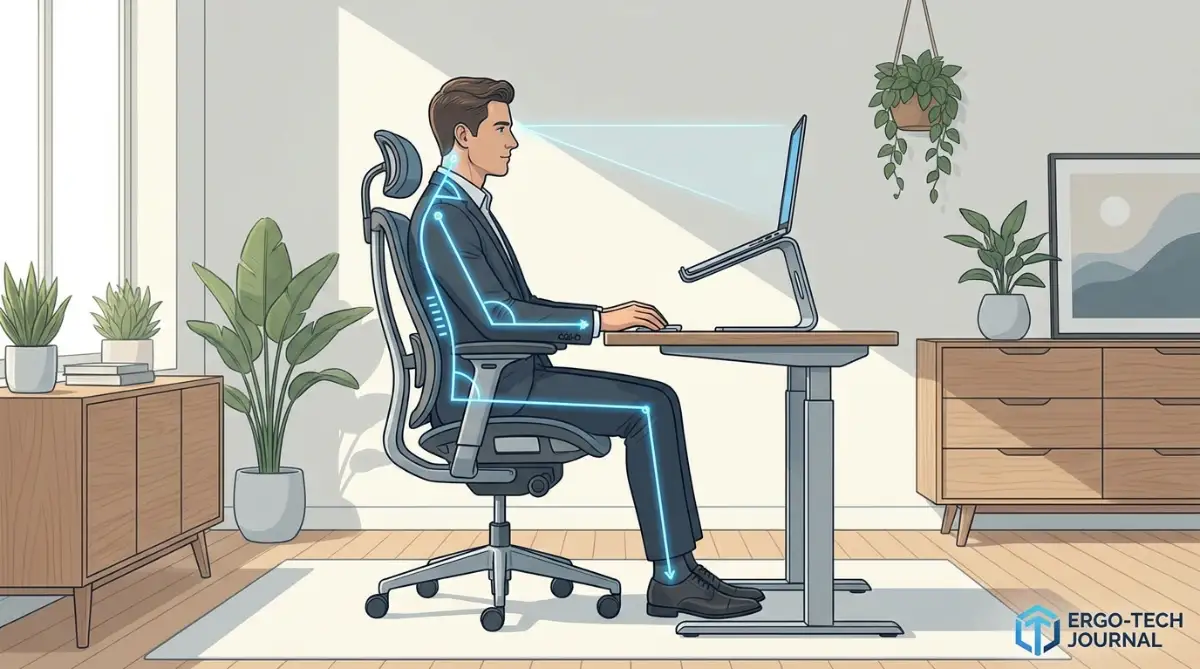
Do not wait until you need physical therapy to fix your workspace. Invest in an ergonomic chair and a laptop stand immediately. Elevate your screen so the top of the monitor is exactly at your eye level, forcing you to sit up straight.
Falling for the Comfort Trap of Isolation
It is very tempting to stay inside your house for three or four days straight. When you do not have to leave for work, the effort required to get dressed and go outside feels overwhelming.
This isolation loop is incredibly dangerous for your mental health. Humans are naturally social creatures. When we stop interacting with the outside world, our reality becomes warped and our anxieties multiply.
The World Health Organization officially recognizes occupational burnout as a legitimate syndrome, and isolation is a massive contributing factor. When you only communicate through screens, you lose the emotional support that comes from face-to-face connections.
Make it a strict rule to leave your property at least once a day. Go buy a coffee, walk through a park, or just sit on a public bench. Being surrounded by the ambient energy of a community keeps your mind grounded and healthy.
Believing the Myth of Effortless Wealth
A massive pitfall is entering the remote workspace thinking it will be a relaxing, effortless journey. Social media often paints a picture of people working from tropical beaches with zero stress.
This false expectation sets you up for massive disappointment. Working independently from home actually requires more self-discipline than sitting in a corporate office. There is no manager watching over your shoulder to keep you on track.
Believing you can just sit back and watch money flow without discipline is part of the passive income lie and what building real online wealth takes. You have to actively manage your time, your health, and your output every single day. If you expect it to be easy, the first stressful week will completely break your spirit.
Your Action Plan for a Healthier Home Office
The good news is that you have complete control over your environment. You no longer have to suffer through terrible office lighting or stressful commutes. You get to build a workspace that actually supports your health and happiness.
What You Need to Do Tomorrow Morning
Start small. Do not try to completely change your entire life in one day. Focus on building tiny, unbreakable habits that protect your energy.
Tomorrow morning, wake up and immediately seek out natural sunlight for ten minutes. Notice how much better you feel when your brain wakes up naturally instead of being jolted by a glowing phone screen.
When you sit down to work, check your posture. Make sure your feet are flat on the floor and your screen is at eye level. Keep a large glass of water in the next room so you are forced to stand up frequently.
A Quick Checklist for Daily Success
To make things incredibly simple, use this daily checklist to keep yourself accountable:
- Do set a strict start and end time for your workday.
- Do take a 15-minute "fake commute" walk before and after your shift.
- Do look away from your screen every 20 minutes to rest your eyes.
- Don't work from your bed or your designated relaxing areas.
- Don't keep work email notifications active on your phone after hours.
- Don't eat your lunch while staring at your computer monitor.
By applying these science-backed strategies, you will completely transform your remote working experience. You will stop feeling like you live in your office, and start feeling like you truly work from the comfort of your home. Take back control of your biological clock, protect your personal boundaries, and enjoy the true freedom of a remote career.
Transitioning to a healthy remote lifestyle took me some time, but finally getting my energy and happiness back was worth every single effort. You completely deserve to enjoy the amazing benefits of working from home without sacrificing your mental health, so pick just one small habit to change tomorrow morning and watch your days get brighter!
Disclaimer: The information provided in this article is for educational and informational purposes only. It does not constitute medical, psychological, or professional financial advice. If you are experiencing severe physical pain or chronic mental health struggles related to your work environment, please consult with a certified medical professional or therapist.