
The Hidden Cost of Being Ignored in Your Inbox
You spend twenty minutes carefully drafting a project update, hit send, and then... absolute silence. Three days pass, and you start wondering if your manager actually hates you or if your coworkers simply do not respect your time. I used to stare at my inbox feeling totally invisible, until I realized it was not my skills they were ignoring—it was my terrible, confusing writing style. If you are exhausted by constant follow-ups and unread messages, let me show you the exact psychological tweaks to make busy people reply to you within five minutes.
I eventually closed my eyes, took a deep breath, and clicked the send button. The immediate result was absolutely nothing. Total and complete silence followed me for three agonizing days.
I found myself checking my inbox every fifteen minutes, hoping for a tiny sign of life from the other side. I felt completely invisible at work, as if my efforts simply did not matter to anyone. It made me question my communication skills and my overall value to the team.
When your messages go unanswered, it is not just a minor inconvenience. It actually ruins your mental peace and destroys your workflow. You start second-guessing your relationships with colleagues and clients.
The anxiety of waiting for a response makes it impossible to focus on your actual work. You end up wasting hours thinking about whether you should send a follow-up message. This constant cycle of drafting, waiting, and overthinking slowly drains your energy and lowers your self-confidence at work.
Your Quick Guide to Getting Instant Replies
- The BLUF Strategy: "Bottom Line Up Front." Put your main request in the very first sentence. Never bury the question at the bottom of the email.
- Stop Vague Subject Lines: Never use "Quick Question." Use highly specific subjects like: Action Required: Need Budget Approval by 3 PM Thursday.
- Give Them Easy Options: Stop asking "When are you free?" Instead, ask "Are you free Tuesday at 10 AM or Wednesday at 2 PM?" Make deciding effortless for them.
- Never Reply While Angry: Wait at least two hours before replying to a frustrating message. Strip all emotion out of the text and focus purely on the facts.
Breaking Down the Anatomy of a High-Converting Message
The good news is that getting ignored is rarely about you as a person. Most of the time, the problem lies entirely in how the message is structured. People are extremely busy, tired, and overwhelmed by the constant ping of notifications.
If your message looks like a giant wall of text, the receiver will instantly close it. They will tell themselves they will read it later, but "later" almost never comes. To fix this, we need to completely change how we think about workplace communication.
Writing a great message is basically an exercise in empathy and respect for the other person's time. When you make it incredibly easy for someone to understand what you want, they will reply almost instantly. Let us look at exactly how you can build this habit into your daily routine.
The Psychology Behind Getting an Immediate Reply
Before you type a single word, you have to understand the mindset of the person on the receiving end. Imagine a busy manager who receives over a hundred messages before lunch. They do not read; they scan.
Their brain is constantly asking three specific questions every time they open a new message. Who is this from? What do they want from me? How much effort will it take to reply to this right now?
If your message cannot answer these three questions in the first five seconds, you have lost them. They will hit the back button and move on to the next item on their list. Your primary goal is to remove every single piece of friction from your writing.
Make the request so clear and simple that they can reply with a simple "yes," "no," or "approved" from their mobile phone. When you reduce their cognitive load, you instantly increase your chances of getting a fast response.
Real Example: The "TL;DR" Method
- The Bad Way: "Hi, I was looking at the files from last week and I think we might have an issue with the design. I'm not sure if you saw my notes, but can we fix it?" (Vague and confusing).
- The Pro Way: "Hi Sarah. The logo on page 3 is currently blue. We need it to be red before the client meeting at 4 PM. Can you please update this by 2 PM?" (Clear problem, clear solution, clear deadline).
Crafting Subject Lines That Demand Instant Attention
Think of your subject line as the storefront window of a shop. If the window display is confusing or messy, no one is going to walk inside. Most people make the massive mistake of writing lazy, vague subject lines.
Words like "Quick Question," "Checking In," or "Update" tell the reader absolutely nothing. A busy professional will always ignore a vague subject line because it does not signal any urgency or clear purpose.
Instead, your subject line needs to be highly specific, actionable, and straight to the point. You want to give the reader a mini-summary of the entire message before they even open it.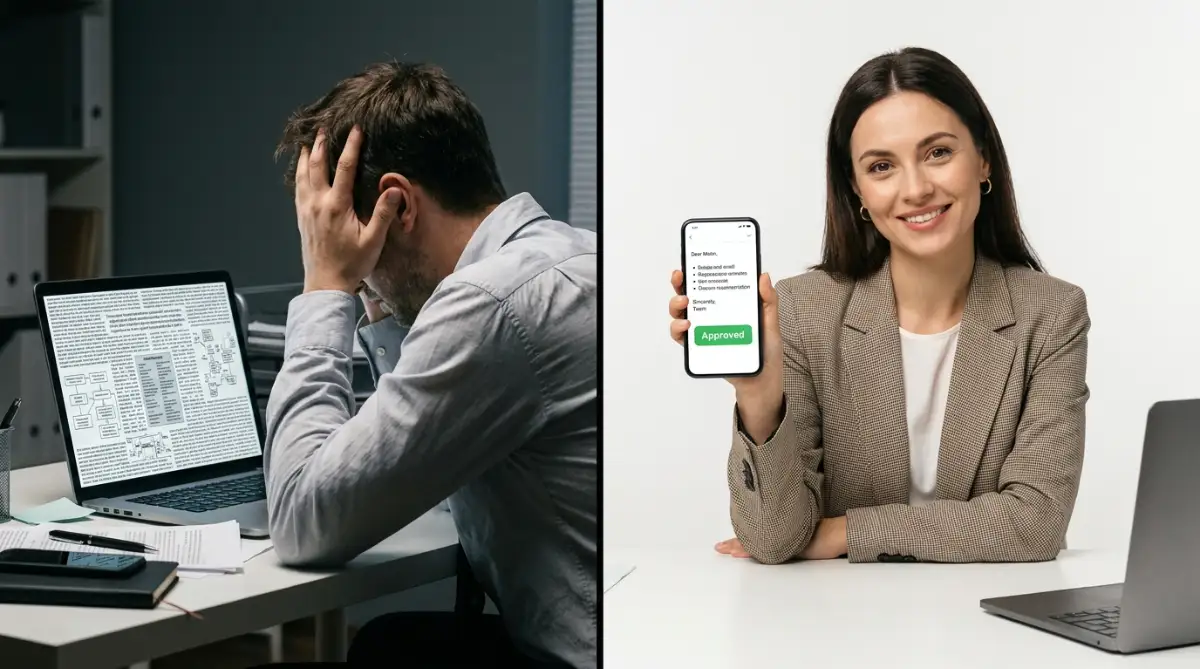
Here is a great resource to help you master this specific skill:
Are you still struggling to figure out exactly what to put in your subject lines? Watch this brilliant breakdown below to see how top professionals structure their email headers for maximum open rates.
The Power of Being Specific (With Real Examples)
Let us compare two different approaches to sending the same message. Imagine you need approval on a budget report by Friday.
A weak subject line would be: "Budget Report." This provides no context, no deadline, and no clear action item. The receiver might think it is just a document to save for later.
A powerful, response-driven subject line would be: "Action Required: Approval for Q3 Budget Report Needed by Friday." Notice the massive difference here? The receiver instantly knows exactly what is required, what the topic is, and when the deadline is.
If you just need to share information without needing a reply, use a tag at the very beginning. Starting your subject line with "[Info Only]" or "[No Reply Needed]" is a fantastic way to earn respect. It shows that you value their time and are not demanding their attention unnecessarily.
The 'Bottom Line Up Front' (BLUF) Strategy
Military organizations have used a specific communication method for decades, and it works perfectly in the corporate world. It is called the "Bottom Line Up Front" or BLUF method.
The concept is incredibly simple but highly effective. You must put the most important piece of information or your main request in the very first sentence. Do not bury your main point at the very bottom of the page.
Many professionals make the mistake of telling a long, winding story before asking for what they need. They provide background context, explain the history of the problem, and finally ask a question in the last paragraph.
By the time the reader gets to the actual question, they have already lost interest and forgotten the context. You need to flip this structure completely upside down.
My biggest personal realization came when I stopped trying to sound overly polite by writing long introductions. I used to write huge paragraphs asking about their weekend and explaining my entire thought process before making a request. My pro tip for you? I found that cutting out the fluff and placing my core request in the very first line actually made my managers respect me more, and my response rate skyrocketed overnight.
Formatting Your Text for Tired Eyes
Even if your message is perfectly written, terrible formatting will ruin your chances of getting a reply. Nobody wants to read a massive block of dense, unbroken text. It physically strains the eyes and feels like a chore to read.
You must break your thoughts down into tiny, easily digestible pieces. Use lots of white space to give the reader's brain a chance to breathe.
Keep these formatting rules in mind:
- Never let a paragraph grow longer than three sentences.
- Use bullet points whenever you need to list three or more items.
- Bold the most important dates, names, or deadlines so they stand out during a quick scan.
When your text is visually appealing and easy to scan, the reader feels instantly relieved. They can extract the value from your message in seconds, making them much more likely to reply on the spot.
Adding a Frictionless Call to Action
Every professional message must end with a very clear Call to Action (CTA). The reader should never have to guess what you want them to do next.
"Let me know what you think" is one of the worst ways to end a message. It is incredibly vague and puts all the mental work onto the other person. They now have to think about the problem, formulate an opinion, and draft a thoughtful response.
Instead, give them a highly specific and easy choice. Guide them directly to the answer you need.
For example, instead of asking for their general thoughts on a meeting time, give them options. Say, "Are you available for a 15-minute call on Tuesday at 10 AM or Wednesday at 2 PM?"
The Myth vs. Reality of Workplace Communication
There are so many misconceptions about how we should communicate in a professional setting. Let us clear up some of the biggest myths right now.
Myth: Using big, complex words makes you sound much smarter and more professional.
Reality: Using overly complex language just confuses people and slows down the communication process. Simple, clear, and direct language is the true mark of a confident professional.
Myth: You need to explain every single detail so they have all the context.
Reality: Giving too much background information buries the main point. Give them the bare minimum context they need to make a decision, and offer to provide more details if they ask.
A Practical Comparison of Phrasing
To truly understand how to shift your writing style, you need to see the difference side by side. Small tweaks in your phrasing can completely change how your message is received.
Here is a quick look at how you can upgrade your daily communication habits:
Notice how the confident phrasing does not sound rude or aggressive. It simply sounds clear, professional, and respectful of everyone's time.
Mastering the Tone of Empathy and Authority
Finding the right tone is a delicate balancing act. You want to sound authoritative and confident, but you also need to remain friendly and approachable.
The secret lies in removing emotional words and focusing purely on the facts and the solutions. Do not let frustration bleed into your writing, even if you are sending a follow-up for the third time.
Always assume positive intent from the other person. They are likely not ignoring you on purpose; they are just overwhelmed with their own workload.
Start with a warm but brief greeting. A simple "Hi Sarah," or "Good morning David," sets a positive tone immediately. Get straight to the point, clearly state what you need, and close with a polite and professional sign-off.
Pro-Level Communication Habits for Long-Term Success
Now that you understand the basic structure of a high-converting message, we need to talk about consistency. Anyone can write one single great message. The real magic happens when you turn these strategies into permanent daily habits.
When you consistently write clear, respectful, and actionable messages, people start to trust you. They subconsciously associate your name with efficiency and problem-solving. This reputation will open doors for you that you never even knew existed.
To maintain this level of excellence, you need to start treating your inbox like a highly organized physical workspace. When your digital environment is messy, your thoughts become disorganized. Just as we know that how cleaning your desk instantly reduces anxiety and boosts focus, the exact same principle applies to your email inbox.
You must protect your mental energy before you start typing. Do not open your inbox the very second you wake up. This is one of those 7 sneaky morning habits that secretly ruin your daily focus and how to fix them is simply by creating clear boundaries.
The Psychology of Perfect Timing
One of the biggest secrets to getting a fast reply has nothing to do with the words you write. It is entirely about when you hit the send button. Timing your messages strategically gives you an unfair advantage in the workplace.
Think about a typical Monday morning in an office environment. Everyone is stressed, catching up on weekend tasks, and blindly deleting non-urgent messages. If you send a complex request at 9:00 AM on a Monday, it will get buried instantly.
Instead, wait until Tuesday morning or Wednesday afternoon to send your most important requests. The middle of the week is when people have cleared their initial backlog. They are much more likely to actually sit down and read what you have to say.
Research clearly shows that digital communication fatigue heavily impacts response rates. According to insights on digital communication overload from Cornell University, sending messages during peak stress hours drastically lowers your chances of a helpful reply. Always aim for the calm pockets of the workday, like mid-morning or early afternoon.
Mastering the Two-Minute Rule
If you want to become a true professional communicator, you must learn to categorize your outgoing messages. I highly recommend adopting a variation of the famous "Two-Minute Rule" for your replies. If an incoming message takes less than two minutes to answer, do it right then and there.
When you reply quickly to simple requests, you build a massive amount of goodwill with your team. People will notice that you are highly responsive and reliable. When the time comes for you to ask for a favor, they will happily return that same energy.
However, if a message requires deep thought, do not rush your reply just to clear your inbox. Send a very short acknowledgment message instead. You can simply say, "I received this and will review it properly by Thursday afternoon."
This tiny habit completely eliminates the other person's anxiety. They know you are working on it, so they will not bother you with annoying follow-ups. You can then focus on the task without feeling rushed or overwhelmed.
My Personal Secret: The 3-Sentence Rule
I completely stopped getting ignored when I forced myself to edit every message down to exactly three sentences.
- A warm greeting and the main context.
- The exact problem or update.
- The specific, multiple-choice question they need to answer.
- If it requires more than three sentences, it should be a 5-minute phone call, not an email.
The Art of the Graceful Follow-Up
No matter how perfectly you write, sometimes people will still forget to reply. It is an unavoidable part of working with busy human beings. The way you handle this situation will define your professional character.
Most people get extremely anxious or angry when they have to send a follow-up. They start writing passive-aggressive sentences like, "Did you see my last message?" This instantly puts the other person on the defensive and damages the working relationship.
Instead, always give them a graceful exit. Assume they just missed it by accident. A great follow-up script looks like this: "Hi John, I know you have a lot on your plate this week. Just bringing this back to the top of your inbox so we can finalize the design by Friday."
This approach is friendly, empathetic, and highly effective. It gently reminds them of the deadline while completely removing any feelings of guilt or blame. They will usually reply within minutes, apologizing for the delay.
 The Silent Career Killers in Your Outbox
Even with the best intentions, it is incredibly easy to fall into bad communication habits. I have seen highly talented professionals damage their careers simply because they lacked basic digital etiquette. Let us look at the most common pitfalls you must avoid at all costs.
When you ignore these hidden mistakes, you slowly destroy your professional reputation. People will start avoiding your projects, and management will view you as a difficult person to work with. These mistakes create unnecessary friction that slows down the entire company.
The Disaster of the Emotional Reply
We have all experienced that sudden spike in our heart rate when reading an unfair message from a colleague. Your immediate instinct is to fire back an angry, defensive reply. This is the absolute worst thing you can possibly do for your career.
When you reply while highly emotional, your tone becomes completely unprofessional. You will use aggressive language that you will deeply regret the next day. Once you hit send on an angry message, you can never take those words back.
If a message makes you angry, force yourself to step away from the keyboard immediately. You need to calm down and master your calm nervous system regulation techniques that actually work before you respond. Take a walk, grab a coffee, and let your brain process the situation logically.
Always wait at least two hours before replying to a frustrating message. When you finally sit down to write, focus only on the facts and the solutions. Remove every single emotional word from the text before you hit send.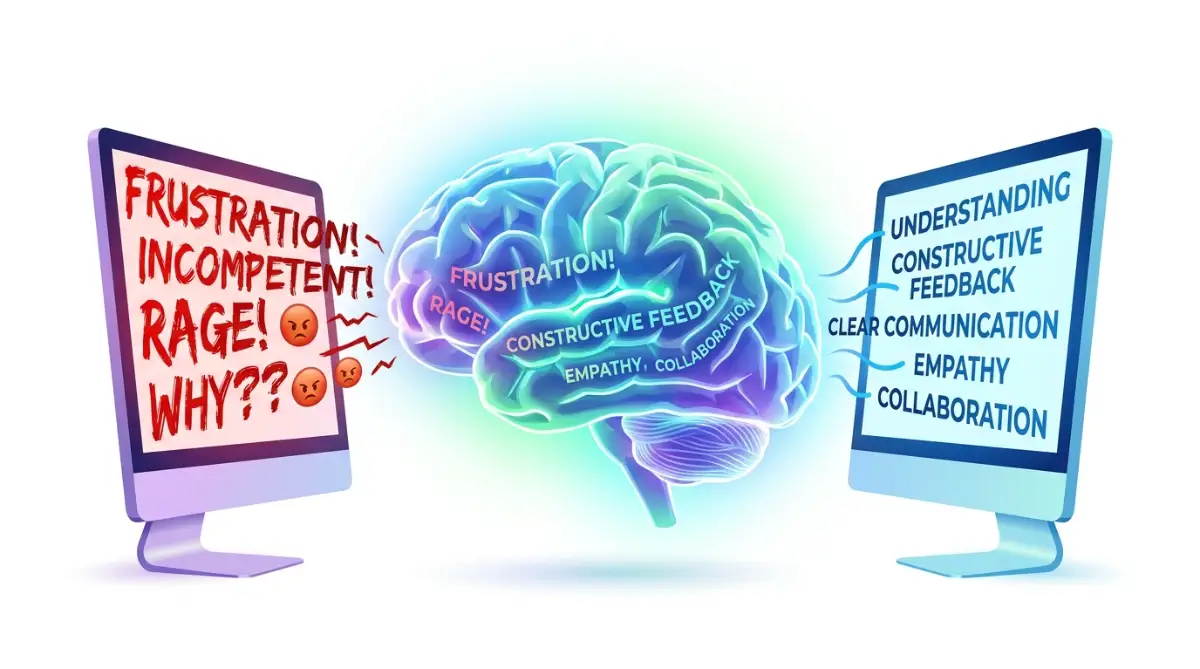
The "Over-Explainer" Syndrome
Many insecure professionals believe they need to justify every single request they make. They write massive essays explaining the entire history of a project just to ask for a simple file. This is exhausting for the reader and makes you look incredibly unconfident.
When you over-explain, you bury the actual purpose of the message. The reader has to dig through paragraphs of unnecessary context just to figure out what you want. This causes them to procrastinate, which means your reply will be delayed by days.
Trust that your colleagues know how to do their jobs. Give them the core action item and exactly one sentence of context. If they truly need more background information, they will simply ask you for it.
The Late-Night Notification Trap
Sending professional messages at 11:30 PM is a terrible habit that ruins workplace culture. It creates a false sense of urgency and forces your colleagues to think about work when they should be resting. It also makes you look like you lack basic time management skills.
When you constantly work in bed, you are also exposing yourself to the hidden health risks of late-night scrolling you need to know about. Your brain never gets a chance to truly disconnect and recharge. This leads to severe burnout and a massive drop in the quality of your daily work.
If you absolutely must write a message late at night, use the scheduling feature. Schedule the message to automatically send at 8:30 AM the next morning. This protects your colleagues' personal time and keeps your professional boundaries firmly intact.
Maintaining these healthy boundaries is just as important for your physical health as it is for your career. Spending hours hunched over your laptop late at night ruins your posture. You must proactively fix tech neck fast simple daily habits to reverse sitting damage before it becomes a permanent issue.
Failing to Proofread the Final Details
There is nothing more embarrassing than sending a message that says "please see attached," only to realize you forgot the attachment. It forces you to send a highly awkward second message apologizing for the mistake. This makes you look careless and disorganized in front of management.
Your credibility is built on tiny details. Sending messages with misspelled names, wrong dates, or missing links completely destroys your professional image. According to research on business communication from the Pew Research Center, poor grammar and careless errors are the fastest ways to lose trust in a professional setting.
Make it a strict rule to always read your message out loud before hitting send. Reading out loud forces your brain to catch missing words and awkward phrasing.
Always attach your files before you type a single word in the text box. Double-check that you have spelled the person's name correctly. These extra ten seconds of proofreading will save you from years of professional embarrassment.
Your Blueprint for Instant Inbox Respect
Mastering the art of professional communication is essentially a superpower in the modern workplace. It requires empathy, strategy, and a deep respect for other people's time. By implementing these specific strategies, you are actively choosing to make your colleagues' lives much easier.
When you write with extreme clarity and purpose, the frustration of being ignored completely disappears. You will start receiving answers within minutes instead of days. Your projects will move faster, your stress levels will drop, and your managers will notice your natural leadership skills.
Remember that changing your writing style is a gradual process. Start by focusing purely on writing better subject lines this week. Next week, practice putting your main request in the very first sentence.
Small, consistent improvements will completely transform how people perceive you at work. You will transition from being just another stressed employee to a highly respected professional whose voice truly matters.
My personal promise to you? When I finally stopped writing massive walls of text and started using these exact formatting rules, my daily work stress vanished almost overnight. I realized that keeping things incredibly simple is the ultimate sign of professional confidence, and I know it will do the exact same thing for your career.
Frequently Asked Questions About Workplace Messaging
How soon should I expect a reply to my message?
In a standard corporate environment, you should expect a reply within twenty-four to forty-eight hours for non-urgent matters. If you explicitly stated a deadline in your message, expect an answer by that specific time. If the matter is truly urgent, you should use a phone call instead of written text.
Is it ever okay to use emojis in professional messages?
This entirely depends on your specific company culture and your relationship with the recipient. For external clients or senior management, it is best to completely avoid emojis to remain professional. For close teammates on an internal chat system, a simple thumbs-up emoji is totally acceptable.
What should I do if my manager constantly ignores me?
If a manager consistently ignores your written requests, you need to change your communication medium. Start requesting a brief five-minute verbal meeting to get your answers directly. During that meeting, politely ask them how they prefer to receive future updates so you can adapt to their specific style.
How do I follow up without sounding annoying?
The trick is to remove the word "you" from the follow-up entirely. Do not say, "You didn't reply to me." Instead, say, "I am circling back on this document to ensure it stays on track for Friday." This focuses on the project rather than blaming the person.
Should I use automatic read receipts?
No, you should almost never use automatic read receipts in a standard workplace environment. They come across as highly aggressive and show a massive lack of trust in your colleagues. Focus on writing clear messages with strong deadlines instead of digitally spying on people.
Disclaimer: The information provided in this article is for educational and informational purposes only and does not constitute professional career coaching or human resources advice. Workplace cultures and communication policies vary greatly between different organizations. Always use your best judgment and adhere to your specific company guidelines when communicating with colleagues and management.