
The Silent Drain: How My Hard-Earned Money Kept Disappearing
You work hard for 40 hours a week, pay your main bills, and somehow, by the 15th of the month, your checking account is practically empty again. It is incredibly frustrating to feel like you make decent money but have absolutely nothing left to show for it. I used to blame my salary, until I tracked my spending for a month and realized it was actually my daily $5 coffees and forgotten subscription apps quietly eating my wealth. If you are tired of living paycheck to paycheck, let me show you the sneaky, invisible money leaks draining your account and how to plug them today without suffering.
For months, I tried to figure out exactly where I was going wrong with my daily spending habits. I was not buying expensive luxury items or going on fancy international vacations, which made the situation even more confusing to me. My hard-earned cash was simply slipping away through invisible cracks in my everyday routine.
You probably know exactly how this heavy feeling sits in your stomach, right? Millions of hard-working people wake up every single morning carrying this exact same weight on their shoulders. The constant stress of living from paycheck to paycheck slowly eats away at your mental peace and happiness.
But I am here to tell you that escaping this stressful money trap does not require winning the lottery. You can completely transform your financial health by making tiny, completely painless adjustments to your normal routine today.

Your Quick Guide to Plugging Money Leaks
- The 24-Hour Rule: Never buy a non-essential item instantly. Leave it in your online cart for 24 hours to kill the emotional impulse.
- Kill Ghost Subscriptions: You are probably paying for streaming apps you haven't watched in 3 months. Cancel them today; you can always renew later.
- Automate Your Savings: Do not wait until the end of the month to save. Set your bank to move 10% of your paycheck into savings the exact day you get paid.
- Stop the Convenience Tax: Prep your meals on Sunday. Buying lunch every day at work is secretly costing you over $3,000 a year.
Rethinking How You Handle Your Daily Choices
Most people fail at saving money because they try to change everything all at once. They create super strict budgets that completely strip away all the joy and fun from their lives. Naturally, they give up after just a few weeks because the process feels like a terrible punishment.
The secret to keeping more cash in your wallet is not about extreme sacrifice or suffering. It is all about making tiny, intelligent shifts in your daily behavior that happen almost on autopilot. When you align your natural habits with smart financial choices, saving money stops feeling like hard work.
Think about a large bucket holding water, representing your monthly income. If that bucket has ten tiny pinholes in the bottom, you will eventually lose all your water. Fixing those tiny leaks is much easier than constantly trying to pour more water into the bucket.
Change 1: Master the "24-Hour Cooling-Off" Rule
We all experience that sudden rush of excitement when we see something shiny and new online. Online shopping makes it incredibly easy to spend a large chunk of money with just a single click. This instant gratification is exactly what drains your bank account before you even realize what happened.
To fight this, start using the brilliant 24-hour cooling-off rule for any non-essential purchase. When you see a gadget, a pair of shoes, or a home decor item you want, simply add it to your cart and close the browser. Force yourself to wait exactly one full day before checking out.
During these 24 hours, the initial emotional high of wanting the item will slowly fade away. You will suddenly realize that you do not actually need that extra pair of sneakers or that trendy coffee mug. This one simple habit alone can easily keep hundreds of dollars in your pocket every single month.
The $5 Leak (A Real-Life Math Check)
It sounds dramatic, but math doesn't lie. If you buy a $5 coffee and a $12 fast-food lunch every workday, that is 85aweek.Thatis∗∗ 85aweek.Thatis∗∗340 a month** or roughly $4,080 a year. Imagine simply making coffee at home and putting that $4,000 straight into an emergency fund instead.
If you are struggling to stop impulse buying, watching a visual breakdown of this simple trick can completely change your perspective.
Change 2: Restructure Your Supermarket Strategy
Food is easily one of the biggest flexible expenses in anyone's monthly budget. Supermarkets are scientifically designed to make you spend far more money than you originally planned. From the smell of the bakery to the placement of expensive items at eye level, every detail is a trap.
To naturally save money here, you must change how and when you enter the grocery store. Never go shopping without a physical list, and completely refuse to put anything in your cart that is not on that paper. This immediately eliminates all the random snacks and shiny items that inflate your total bill.
Here is a quick pro tip from my own experience that completely changed how I shop. I used to buy my groceries when I was starving after work, which always led to bags full of expensive junk food. Now, I always eat a heavy snack before stepping into the supermarket, and my grocery bill has magically dropped by twenty percent.
Change 3: Automate Your Savings Like a Utility Bill
Human beings are naturally forgetful and often lack the willpower to manually transfer money to a savings account. If you wait until the end of the month to save whatever is left over, you will usually find nothing there. You will always find a reason to spend the cash if it sits readily available in your checking account.
The most effective lifestyle change you can make is to completely automate this process. Set up an automatic transfer with your bank to move a specific amount of money into your savings account the exact same day you get paid. You need to treat your savings account exactly like an important utility bill that must be paid first.
When the money leaves your primary account immediately, you completely adapt to living on the remaining balance. This uses the psychological trick of "out of sight, out of mind" to your ultimate advantage. Over a few months, you will watch your savings grow effortlessly without having to make any daily choices.
Change 4: Audit and Slash Your Ghost Subscriptions
Take a moment to honestly think about how many streaming services, gym memberships, and premium apps you currently pay for. Companies love the subscription business model because they know people are too busy to cancel services they no longer use. These tiny recurring charges quietly eat away at your wealth every single month.
Make it a monthly habit to sit down and thoroughly review your credit card and bank statements. Look for any recurring charge that you have not actively used in the last thirty days. If you are paying for three different movie streaming platforms, pause two of them and only keep the one you watch daily.
Do not worry about missing out on content, because you can always turn a subscription back on if you truly miss it. Most people find that they never actually go back to the services they cancel. Redirecting those small monthly fees directly into your savings account creates a huge financial safety net over time.
Change 5: Rethink Your Energy Consumption Habits
Your home utility bills offer a massive opportunity for natural, everyday savings. We often leave lights burning in empty rooms or keep our air conditioning running perfectly while we are away at work. These lazy habits force you to pay for electricity and water that you are not even actively enjoying.
Start making small shifts in how you use your household appliances daily. Wash your regular clothes in cold water instead of hot, which uses significantly less electricity per load. Turn off the heated dry setting on your dishwasher and simply let your plates air dry overnight.
Unplug electronic devices like televisions, game consoles, and phone chargers when they are not in active use. These items consume what experts call "phantom energy," drawing power simply by being plugged into the wall. Fixing these small energy leaks will noticeably lower your monthly bills, leaving you with extra cash to save.
My Personal Pro-Tip: The Yearly Bill Negotiation
Every January, I spend exactly one hour calling my internet provider and my cell phone company. I simply tell them, "I've been a loyal customer, but your competitor is offering a better rate. Can you apply a loyalty discount to my account?" Last year, this one 10-minute phone call saved me 40amonth(40amonth 480 a year) on my internet bill alone!
Change 6: Embrace the "Zero-Spend Day" Challenge
Sometimes, our spending habits just need a solid psychological reset to break the routine. We get so used to tapping our debit cards for coffees, quick lunches, and random store runs that spending money becomes an automatic reflex. The "Zero-Spend Day" is a fun and highly effective way to challenge this exact behavior.
Pick just one or two days a week where you commit to spending absolutely no money at all. You will eat only the food you already have in your fridge and find free ways to entertain yourself. This forces you to become creative and highly aware of your normal spending triggers.
When you successfully complete a zero-spend day, you feel a great sense of personal accomplishment. You will quickly realize how many of your daily purchases are driven by pure boredom rather than actual necessity. This newfound awareness naturally stops you from wasting cash on meaningless things during the rest of the week.
Change 7: The Magic of Proper Meal Prepping
Buying lunch at work or ordering food delivery at night is incredibly convenient, but it destroys your bank account. A simple sandwich and a drink at a local cafe can easily cost you fifteen dollars every single afternoon. Multiply that by five workdays, and you are throwing away hundreds of dollars a month on basic convenience.
Setting aside just two hours on a Sunday to prep your meals for the week is a total game changer. Cook large batches of rice, chicken, or pasta, and pack them neatly into glass containers. When you already have a delicious meal waiting for you, the temptation to order expensive takeout completely disappears.
Not only does this habit keep a massive amount of money in your wallet, but it is also much healthier. You have total control over the ingredients, the portion sizes, and the hidden sugars in your food. You will feel better physically while watching your savings account balance climb higher than ever before.
Change 8: Stop Chasing the Latest Tech Trends
We are constantly bombarded with shiny advertisements telling us that our current phone or laptop is too old and slow. Society heavily pressures us into upgrading perfectly good devices just to maintain a certain social status. This endless cycle of buying the latest technology is a massive roadblock to building real wealth.
Make a firm lifestyle decision to use your electronic devices until they actually stop working. A smartphone that is two or three years old can still handle your daily tasks, make clear calls, and take great photos. Nobody really cares if you do not have the newest model with the slightly better camera lens.
When your phone battery starts dying quickly, pay a small fee to replace the battery instead of buying a whole new phone. By stretching the lifespan of your electronics, you avoid taking on new debts and massive monthly installment plans. That heavy chunk of money you save can go straight toward building your financial security.
Change 9: Redefine Your Weekend Entertainment
A lot of our disposable income vanishes during the weekend when we try to relax and have fun. Going out for expensive dinners, buying costly movie tickets, and visiting crowded bars are standard weekend activities for most people. However, having a good time does not mean you have to empty your wallet every Saturday night.
Start exploring the amazing free or low-cost entertainment options available right in your own city. Visit a beautiful local park, hike a scenic trail, or host a fun game night at home with your closest friends. You can ask everyone to bring one homemade dish, making the whole evening practically free for you.
When you shift your focus from spending money to creating actual memories, your weekends become much more fulfilling. You will find that laughing with friends over a home-cooked meal is far better than shouting over loud music in an overpriced restaurant. This simple shift in perspective naturally protects your hard-earned money while keeping you perfectly happy.
Change 10: Declutter and Sell Before You Buy
Most of us have closets packed with clothes we never wear and garages full of items we forgot we even owned. Before you go out to buy something new, try adopting a "one in, one out" lifestyle rule. If you want a new winter jacket, you must first sell or donate an old one taking up space in your home.
Take a free weekend to thoroughly clean out your room and gather items that are still in great condition. Use free local apps or online marketplaces to sell these unused items to people who actually need them. You will be genuinely surprised by how much extra cash is just sitting around collecting dust in your home.
This habit does two amazing things for your personal finance journey. First, it brings in unexpected extra cash that you can immediately deposit into your savings account. Second, seeing how hard it is to sell your old stuff makes you much more careful about buying useless junk in the future.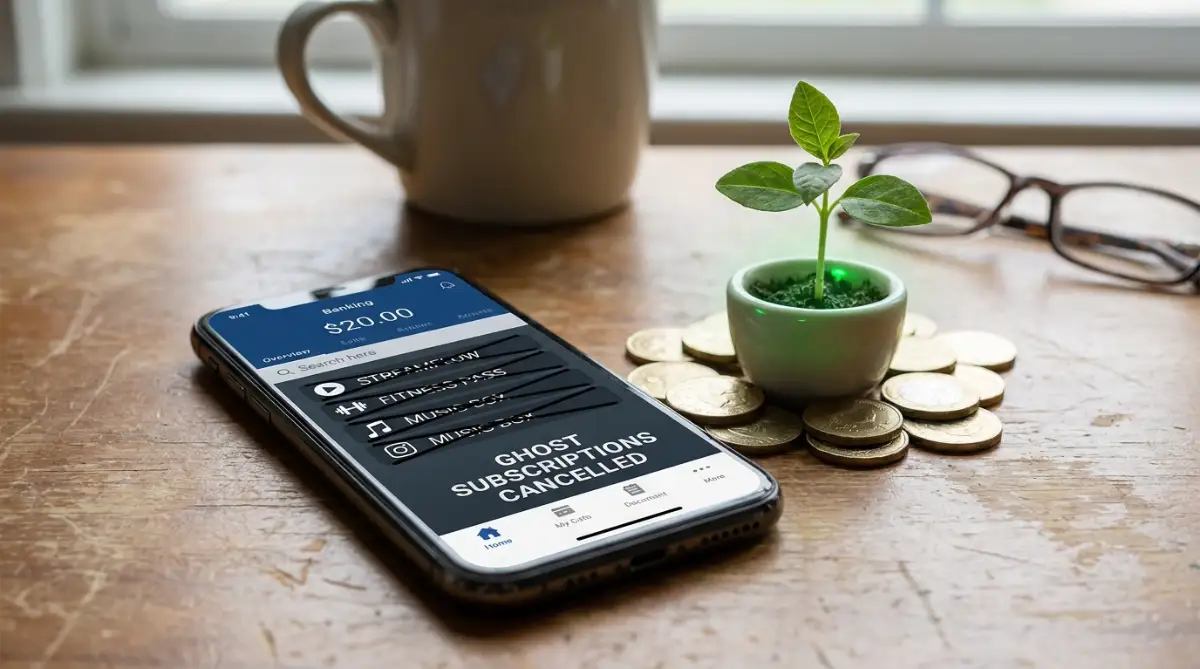
Taking Your Money Management to the Next Level
Once you master the basic rules of keeping your money safe, you are ready for some real magic. Managing your personal economy is not just about cutting out expensive coffees or skipping the occasional movie night. It is about completely rewiring how your brain thinks about value, time, and true happiness.
Many people start out with great energy, but they quickly lose motivation when life gets slightly stressful. To build wealth that actually lasts for decades, you need to rely on invisible systems rather than pure willpower. Willpower is like a battery that drains out by the end of a long, tiring workday.
Let me share a few advanced psychological tricks that completely shifted how I view my bank account. These are the same hidden strategies used by people who silently build massive amounts of wealth in the background. They do not require a finance degree, but they do require a slight change in your daily perspective.
The Power of Value-Based Spending
We often feel guilty every single time we spend cash on something that is not a basic survival need. This constant guilt is actually harmful because it makes you resent the entire process of budgeting. The secret to long-term success is a concept known as value-based spending.
This simply means you ruthlessly cut costs on the things that do not truly make you happy. At the same time, you completely allow yourself to spend money on the one or two things that bring you immense joy. If you absolutely love high-quality coffee, buy the premium beans, but maybe stop buying expensive designer clothes you never wear.
When you align your daily habits with your true personal values, you stop feeling deprived. You stop wasting your hard-earned cash to impress neighbors or strangers on social media. Understanding this balance is the ultimate key to managing your personal budget without feeling trapped in a financial cage.
Managing Social Pressure and Expensive Friendships
One of the hardest parts about changing your financial lifestyle is dealing with the people around you. We all have that one friend group that loves going to overpriced restaurants or booking sudden weekend getaways. It feels terrible to say no because you do not want to be seen as the cheap or boring friend.
You must realize that true friends will never judge you for trying to build a secure future for yourself. Instead of blindly agreeing to expensive plans, suggest fun alternatives that cost little to nothing. You can easily host a cozy movie night at your place with homemade snacks instead of paying for a loud, expensive bar.
When you clearly communicate your new goals, you might be surprised by the reaction you get. Many times, your friends are secretly struggling with their own money issues and will quietly thank you for suggesting a cheaper option. By taking the lead, you protect your savings and help your loved ones reduce how financial anxiety affects their mental health in the process.
The "Cost Per Use" Mental Filter
Whenever we look at a price tag, our brains normally only process the upfront number printed on the sticker. A cheap pair of boots might cost forty dollars, while a high-quality pair costs one hundred and fifty. Your instinct immediately tells you to grab the cheaper option to protect your bank balance today.
However, cheap items usually break quickly, forcing you to buy them again and again over the next few months. This is where you should apply the "cost per use" mental filter before handing over your credit card. Divide the price of the item by the number of times you will actually use it over its lifetime.
The expensive boots might last you five solid winters, bringing the actual cost per use down to pennies. The cheap boots will fall apart in the rain, costing you much more in constant replacements and frustration. Learning this subtle difference between being cheap and being frugal is how smart people naturally accumulate wealth.

The Hidden Traps That Destroy Good Intentions
Even with the best intentions, the journey to a healthy bank account is filled with invisible landmines. Human beings are highly emotional creatures, and our feelings heavily dictate how we handle our cash. When you ignore these emotional triggers, you can easily wipe out months of hard work in a single afternoon.
I have watched so many smart people make the exact same mistakes simply because they tried to move too fast. They treat their personal economy like a strict crash diet instead of a permanent, comfortable lifestyle change. Let's look at the most dangerous pitfalls you must actively avoid to keep your financial journey on track.
Falling Into the "Revenge Spending" Trap
Revenge spending happens when you restrict yourself too heavily for a long period of time. You stop going out, you eat nothing but plain rice, and you refuse to buy yourself anything nice for weeks. Eventually, your brain completely rebels against this extreme punishment, and you experience a massive emotional breakdown.
You end up walking into a mall and dropping five hundred dollars on random things just to feel a sense of control again. This one impulsive day completely destroys all the amazing progress you made during your strict saving phase. Some people even resort to borrowing quick cash to cover impulsive shopping, pushing them directly into a deep hole of new debt.
To avoid this terrible trap, you must build a small "fun money" allowance into your normal routine. Give yourself a guilt-free twenty dollars a week to buy whatever silly or fun thing you want. This tiny release valve stops the emotional pressure from building up and prevents those massive spending explosions.
Becoming a Victim of Lifestyle Creep
Lifestyle creep is a silent financial disease that sneaks up on you when you start doing well in your career. You finally get that big promotion or a nice bonus, and your monthly income goes up significantly. But instead of saving that extra cash, you suddenly decide you need a nicer car, a bigger apartment, and premium groceries.
Before you know it, your expenses have perfectly matched your new, higher income level. Even though you are making much more money than before, you still feel broke at the end of every single month. You remain trapped in the exact same stressful cycle, just with slightly fancier toys around you.
The most effective way to fight this is to pretend your raise never even happened. The moment your new paycheck hits, set up an automatic transfer to move that exact extra amount directly into your savings. By learning safe strategies to manage money, you can enjoy your success without falling into this dangerous modern trap.
Brushing Off Tiny Daily Expenses
We tend to ignore small purchases because three or four dollars feels completely harmless in the moment. You might grab a quick energy drink at the gas station or pay a small delivery fee for your dinner without thinking twice. Because the numbers are so small, your brain does not register them as a threat to your overall wealth.
Just like people blindly believe strange myths about how certain daily routines secretly affect their focus, they also believe money myths. The myth here is that only big purchases matter when it comes to draining your account. In reality, those tiny daily leaks easily add up to hundreds of dollars vanishing from your pocket by the end of the month.
Start writing down every single time you spend less than ten dollars for just one normal week. When you add up that specific list on Sunday night, the final total will absolutely shock you. Seeing that solid number written on paper is usually the only wake-up call you need to change your daily habits permanently.
Treating Credit Cards as Free Income
Credit cards are incredibly powerful financial tools if you pay them off completely every thirty days. Unfortunately, aggressive marketing campaigns have trained us to view our credit limit as extra spending money. We swipe the plastic card for things we cannot actually afford, promising ourselves we will figure it out later.
When you only pay the minimum balance, the heavy interest charges silently multiply in the background. What started as a simple dinner out suddenly costs you double the original price because of the compounding interest. These basic mistakes act as silent barriers to your financial health, ruining your chances of ever getting ahead.
If you cannot pay for a non-emergency item with the cash currently sitting in your checking account, do not buy it. Hide your credit cards in a drawer at home and only carry a set amount of physical cash when you go out with friends. When the physical paper money is gone from your wallet, your night is over, and your bank account remains perfectly safe.
Your New Action Plan for Tomorrow Morning
Fixing your daily money habits does not require a magic wand or a sudden lottery win. It is entirely about taking back control of your own choices and refusing to let society dictate how you spend your cash. You have the total power to redesign your environment so that saving money happens completely naturally.
Start extremely small tomorrow morning by choosing just one single tip from this entire guide to implement. Maybe you will decide to pack your lunch instead of ordering delivery, or maybe you will finally cancel that streaming app you never watch. These tiny victories build massive confidence, proving to your brain that you are truly capable of changing your life.
If you are already dealing with older financial mistakes, do not waste time beating yourself up about the past. Focus your energy forward and look for smart ways of escaping the heavy burden of high-interest payments step by step. Every new day is a fresh opportunity to make smarter choices that will heavily reward your future self.
Make it a priority to regularly educate yourself by reading trustworthy personal finance resources from reputable government organizations like the Consumer Financial Protection Bureau to stay motivated. Combine that knowledge with the practical advice you find here on our main resource hub to build a bulletproof financial mindset. You are building a massive wall of security around your family that will bring you unbelievable peace of mind.
I used to lose so much sleep worrying about where all my hard-earned cash was disappearing to every month. By simply changing a few small daily routines, I finally took control of my financial future and found true mental peace. You have exactly what it takes to do this too, so start making those small changes today and watch your confidence grow!
Common Questions About Building Better Saving Habits
How much of my monthly income should I actually try to save?
A highly popular and effective method is the 50/30/20 rule, which keeps things incredibly simple. You use fifty percent for basic needs, thirty percent for fun and wants, and firmly save the remaining twenty percent. If twenty percent feels too high right now, just start with five percent and slowly work your way up as you get comfortable.
Can I still enjoy my hobbies while trying to keep more cash?
Absolutely, because a good budget is about managing your resources, not eliminating your joy entirely. The key is to cut back heavily on things you do not care about so you can fund the hobbies you truly love. Look for creative ways to buy used equipment for your hobbies instead of always paying full retail price.
What is the fastest way to stop overspending on the weekends?
The absolute best strategy is to leave your debit and credit cards safely locked up at home before you go out. Decide exactly how much you want to spend, withdraw that exact amount in physical cash, and only take that money with you. When the physical bills are gone, you naturally stop spending without needing any extra willpower.
How long does it actually take to see real results from these changes?
You will feel a massive sense of mental relief almost instantly just by taking clear action today. Visually, you will start noticing extra cash sitting in your bank account by the end of your very first month. Within three to six months, these new natural routines will transform your small savings into a highly comforting emergency fund.
Should I aggressively pay off my current debt first or focus on saving?
You should always build a starter emergency fund of about one thousand dollars first so you are protected against sudden surprises. Once that small safety net is in place, throw every extra dollar you have at your high-interest debts. After the heavy debt is cleared, you can direct all that newly freed-up cash straight into your long-term savings.
Disclaimer: The content provided in this blog post is strictly for informational and educational purposes only. It does not constitute professional financial, legal, or investment advice. Everyone's personal financial situation is completely unique. Please consult with a certified financial advisor or professional before making any major financial decisions or changing your debt management strategies.