
The Quiet Anxiety of the Neighborhood Watchdog
You just spent $400,000 on a house, but you cannot even pick the color of your own front door. Sounds crazy, right? Welcome to the reality of living in a neighborhood controlled by a Homeowners Association (HOA). You think you bought a home, but sometimes it feels more like you signed up for an extremely strict rulebook. Let me show you how to survive these rules and protect your hard-earned money.
You spend your first weekend painting the front door a beautiful, cheerful shade of blue. It feels amazing to finally put a personal touch on something you actually own.
Then, exactly three days later, you walk to your mailbox and find a heavy, formal envelope. Inside is a warning letter and a $150 fine because your chosen paint color does not match the approved neighborhood palette.
Suddenly, the joy of homeownership completely evaporates. You realize that while your name is on the mortgage, you do not entirely control your own property.
This is the daily reality for millions of people living in communities governed by a Homeowners Association (HOA). The constant surveillance can turn a peaceful sanctuary into a source of immense stress.
People start to feel severe anxiety just opening their mail or backing their work truck into their own driveway. You worry that a simple mistake, like leaving your trash can out for an extra hour, will result in a heavy financial penalty.
It feels like you are simply renting from an incredibly strict landlord. This hidden emotional struggle is rarely talked about during the buying process, but it heavily impacts how much you actually enjoy your home.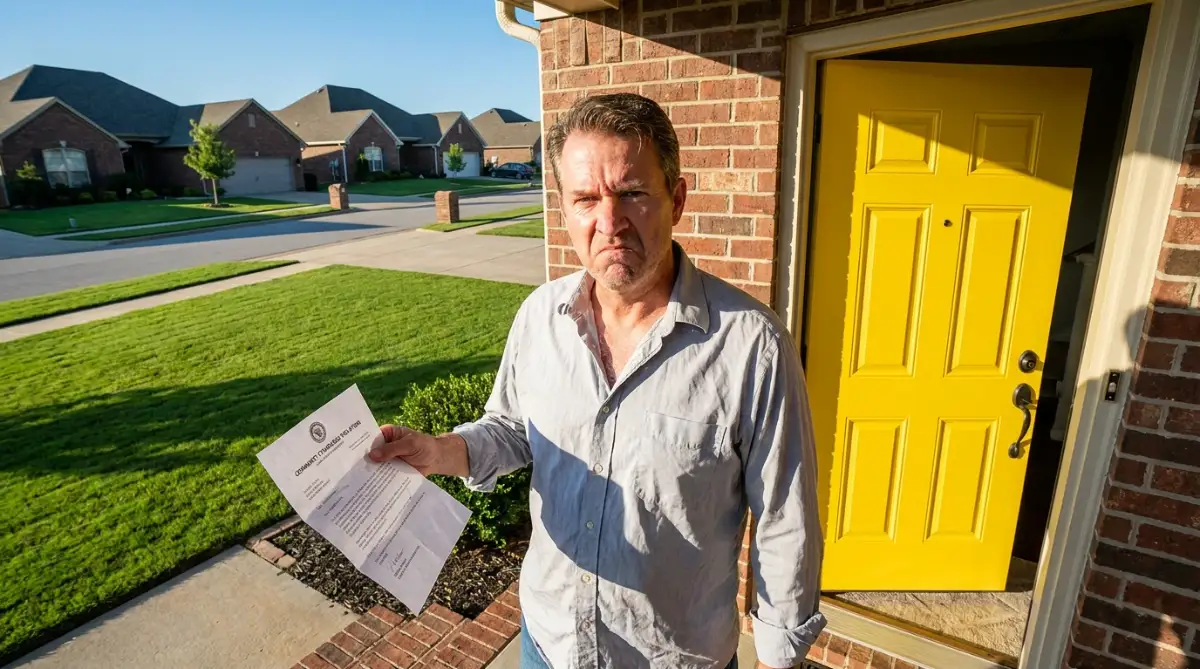
I remember the exact moment my excitement of buying my first home turned into total panic. Just two weeks after moving in, I received a nasty warning letter and a fine simply because I planted the "wrong" type of flowers near my front porch. It made me feel like an angry boss was constantly watching my every move, and that terrible feeling is what pushed me to finally figure out how these neighborhood boards actually work.

What You Need to Know Right Now (Quick Summary)
- Monthly association fees directly lower the amount of house you can afford to buy.
- Getting approval for a fence or paint job requires professional proof, not just a simple drawing.
- Never skip reading the "Reserve Study" to avoid sudden, massive repair bills.
- Withholding your dues out of anger can legally cost you your home.
Unmasking the Rulebook: How Guidelines Secretly Dictate Your Worth
To understand how these community boards control your money, we have to look past the surface level. When you buy into a managed community, you are agreeing to a complex set of Covenants, Conditions, and Restrictions.
Most buyers just skim these documents and sign at the bottom. I strongly advise you to stop doing that immediately.
These thick packets of rules are essentially a legally binding contract that dictates your future financial growth. If you do not understand what you are signing, you might accidentally trap your investment.
Let us break down the specific mechanics of how these neighborhood rules silently add to or subtract from your overall property value.
The Hidden Math of Monthly Dues
When you look at a property listing online, the first thing you notice is the asking price. However, the asking price is only one part of the financial equation.
You must look at the mandatory monthly fees attached to the property. Many buyers completely underestimate how a seemingly small monthly charge destroys their borrowing power.
Let me give you a very clear, practical example of how lenders view these fees. When you apply for a mortgage, the bank calculates your maximum monthly budget based on your current income.
If a house has a monthly association fee of $300, that is $300 that cannot go toward paying down your actual mortgage. In the eyes of a bank, a $300 monthly fee is roughly equal to financing an extra $40,000 to $50,000 in loan money.
If you are approved for a maximum loan of $400,000, a heavy community fee forces you to look at houses priced around $350,000. You are instantly forced to settle for a smaller home simply because the neighborhood charges high maintenance dues.
Let us look at a quick comparison to make this crystal clear:
Property Type Purchase Price Monthly Dues Total Monthly Cost Long-Term Equity Gain Independent House $400,000$0Standard Mortgage High (All money goes to you)Managed Community $350,000$350Same as above Lower (Money lost to fees)
As you can see, these fees directly limit the pool of buyers who can afford your home when you eventually try to sell it. High dues automatically push lower-budget buyers completely out of the equation.
Myth vs. Fact: The Real Cost of Monthly Dues
- The Myth: "My $200 HOA fee just covers the pool and grass. It is not a big deal."
- The Fact: That $200 fee actually cuts your buying power by roughly $30,000. If your fee goes up by $50 next year (which happens a lot), your home becomes even harder to sell to families on a tight budget. Always do the math before you buy!
The Double-Edged Sword of Curb Appeal
We have to be completely fair and look at the positive side of these strict guidelines. There is a very specific reason why community boards exist in the first place.
They exist to protect the overall visual harmony and "curb appeal" of the entire street. When you buy a house, you are not just buying the building; you are buying the environment around it.
Imagine living next door to someone who decides to paint their house bright neon pink and park three broken cars on their front lawn. In a normal neighborhood, you can do absolutely nothing to stop them.
When your neighbors let their property fall apart, the value of your own home drops significantly. A strong community board prevents this specific nightmare from happening.
Because they enforce strict maintenance rules, the neighborhood always looks clean, uniform, and highly attractive to outside buyers. This guaranteed neatness often translates to a slightly higher baseline appraisal value.
However, this strict control easily becomes a massive negative if it goes too far. If the board demands that you use expensive, specific contractors for basic repairs, you will bleed money just trying to keep up with their standards.
The Rental Restriction Trap (A Warning for Investors)
If you plan to use real estate as a stepping stone to wealth, you need to pay very close attention to this next point. Many people buy a starter home with the intention of renting it out a few years later.
They plan to upgrade to a bigger house and use the rental income from the first house to pay their new mortgage. This is a brilliant financial strategy, but restrictive neighborhoods often crush this dream completely.
Many community boards place strict caps on the number of properties that can be rented out at any given time. Some communities outright ban renters entirely.
They do this because they believe temporary renters do not care for properties as well as actual owners. While that might be true, this rule instantly limits your future exit strategy.
When you go to sell the house later, real estate investors will completely bypass your listing. Investors make up a huge percentage of active buyers, and losing them means your home might sit on the market for months.
Fewer buyers always equal less competition, which ultimately forces you to lower your asking price.
Uncovering the Danger of Special Assessments
This is the hidden monster living inside poorly managed communities. You might find a beautiful neighborhood with a surprisingly low monthly fee.
You think you found a fantastic bargain, so you rush to buy the property. Two years later, you get a letter stating you owe a sudden, mandatory payment of $10,000.
This unexpected nightmare is called a "Special Assessment." It happens when the community board fails to save enough money for massive repairs, like replacing all the roofs or fixing the neighborhood pool.
Instead of gradually saving money over a decade, they simply pass the massive bill directly to the current homeowners. If you cannot pay this sudden fee, the board can legally place a lien on your house.
Pro Tip for Smart Buyers: Always demand to see the community's "Reserve Study" before you sign a purchase agreement. This document shows exactly how much money the board has saved for future emergencies.
If the reserve account is nearly empty, you should probably walk away from the deal. You do not want to be the person stuck paying for twenty years of neglected maintenance.
Psychological Impact on the Modern Buyer
People want to build backyard gardens, install solar panels, or build secure enclosures for their dogs. When a community board says "no" to all of these modern desires, they actively shrink their target market.
A younger generation of homebuyers is becoming increasingly vocal about avoiding managed communities at all costs. They will happily buy an older, less updated home if it means they get to avoid monthly board meetings and strict paint palettes.
As a current or future homeowner, you need to recognize this shifting demand. Properties without extreme restrictions are becoming highly sought after, which drives their market value up significantly.
If you are buying into a managed neighborhood, you must ensure the amenities they offer actually justify the lack of freedom. A beautiful clubhouse, an Olympic-sized pool, and a gated security entrance might make the strict rules worth the hassle.
However, if you are paying high fees just for someone to mow the front entrance grass and send you warning letters, you are making a poor financial choice.
Steps to Audit the Rules Before Buying
If you find a home you truly love inside one of these communities, you need a clear action plan. Do not rely on your real estate agent to do this homework for you.
First, request a copy of the neighborhood meeting minutes from the last twelve months. This will tell you exactly what the board members are arguing about.
If the meeting minutes are full of petty arguments about mailbox colors and aggressively fining neighbors, you are looking at a toxic environment. A toxic board will eventually drive good neighbors away and hurt property values.
Second, walk the neighborhood on a Saturday afternoon and casually talk to the people you see outside. Ask them directly how they feel about the management.
Neighbors love to complain, and they will give you the unfiltered truth about how strictly the rules are actually enforced.
Third, carefully review the architectural guidelines. Make sure you can comfortably live with their restrictions on fencing, landscaping, and exterior modifications.
By taking these calculated steps, you can accurately predict whether the neighborhood rules will protect your money or slowly drain your bank account. Real estate success comes down to reading the fine print and asking the hard questions before you commit.
If you are thinking about buying a house in a managed neighborhood, watch this quick video below to learn exactly what red flags to look for in the community documents, and then keep reading to discover how to protect your money once you move in.
Insider Strategies to Defend Your Equity Against Aggressive Neighborhood Rules
Understanding the hidden rules is only the first part of your journey. If you want to build true wealth through real estate, you must learn how to actively manage your relationship with your homeowners association.
Many buyers feel completely powerless once they sign the final closing papers. They simply pay their monthly dues and hope the neighborhood board leaves them alone.
This passive approach is exactly how people end up losing thousands of dollars. We are going to change that narrative today.
By using a few advanced, highly strategic moves, you can protect your property value and maintain your peace of mind. Think of these strategies as your personal armor against unexpected financial attacks.
The Master Move: Becoming the Rule Maker
If you truly want to secure your investment, you should never sit on the sidelines. The absolute smartest move a homeowner can make is running for a seat on the community board.
Most people avoid board meetings because they assume the meetings are boring and filled with neighborhood gossip. While that might occasionally be true, these meetings are where massive financial decisions are made.
When you hold a seat on the board, you suddenly gain voting power over budget increases, special assessments, and vendor contracts. You have a direct say in how your monthly dues are spent.
Instead of letting strangers dictate the future value of your home, you become the person steering the ship. You can actively vote against ridiculous aesthetic rules that drive potential buyers away.
Mastering the Art of the Pre-Approval Request
A major mistake homeowners make is assuming minor exterior changes do not require permission. They think, "It is my backyard, I can plant whatever I want."
This independent mindset often leads to massive fines and forced property modifications. Before you spend a single dollar at the hardware store, you must master the Architectural Review Committee (ARC) submission process.
Pro-Level Advice for Approvals:
Always submit more documentation than they actually request. If you want to build a small backyard shed, do not just send a basic drawing.
Provide the board with professional blueprints, exact paint color codes, and a professional land survey showing the property lines. When you overwhelm the committee with professional details, they rarely push back or deny the request.
They deny requests when homeowners provide vague, messy plans that leave room for doubt. Treat your approval request like a professional business presentation.
Decoding the Health of the Reserve Fund
Earlier, we briefly touched on the danger of sudden special assessments. Now, I want to show you exactly how to analyze the financial health of a community before you buy.
Every professionally managed community must maintain a reserve fund. Think of this fund as the neighborhood's emergency savings account.
If the community pool needs a new pump, the money should come from this specific account. According to professional research on community association impacts, a healthy neighborhood should have its reserve fund at least seventy percent funded based on future projected repairs.
If you ask for the reserve study and see that the fund is only twenty percent funded, you need to run away immediately. That low number guarantees that a massive, unexpected bill will eventually land in your mailbox.
Always have your accountant or a trusted real estate attorney review this document. Spotting these financial gaps early is a massive part of spotting hidden property issues before signing the final contract.
Quick Q&A: Protecting Your Wallet from Bad Boards
Q: What happens if I just refuse to pay a sudden $5,000 repair bill?
A: Do not do this! The board can put a legal hold (a lien) on your house. Eventually, they can even force you out of your home.
Q: How do I know if the neighborhood is going broke?
A: Ask for their latest financial statement. If they have less than 70% of the cash they need for future repairs, walk away. You do not want to pay for their bad planning.

The Silent Wealth Destroyers: Tragic Missteps First-Time Owners Make
Even with the best intentions, smart people frequently fall into devastating emotional and financial traps when living in a managed community. These errors rarely happen on purpose.
They usually happen because homeowners let their emotions take over, or they simply refuse to respect the legal power of the association. I want to share some incredibly common, painful scenarios so you can avoid making the same mistakes.
These are not just minor inconveniences. These specific missteps can literally destroy your equity, ruin your credit score, and even result in the loss of your home.
The Unapproved Renovation Nightmare
Let me share a very real scenario that happens across the country every single day. A young family moves into a beautiful neighborhood and decides they desperately need a privacy fence for their new rescue dog.
They hire a local contractor, spend $8,000 on materials, and build a stunning six-foot wooden fence. Two weeks later, they receive a certified letter from the community manager.
The letter states that the neighborhood only allows four-foot fences made of black metal. Because the family never submitted an approval request, the board legally demands they tear the brand-new fence down immediately.
Not only did they lose the original $8,000, but they also have to pay a crew to demolish it. If they refuse to tear it down, the board will fine them $100 every single day until they comply.
This type of completely avoidable disaster drains your savings account and creates deep resentment. Never assume a home improvement project is safe just because it looks nice.

The Emotional Boycott (Refusing to Pay Fines)
When a homeowner feels they have been treated unfairly by the board, their first instinct is often rebellion. They get angry about a minor warning letter for leaving a trash can out too long.
Out of pure stubbornness, they decide to stop paying their monthly association dues in protest. They wrongly believe that withholding their money will force the board to listen to their complaints.
This is arguably the most dangerous financial mistake you can possibly make. A homeowners association is not a customer service department you can simply boycott.
They are a legal entity with extreme power over your physical property. If you stop paying your monthly fees, they will aggressively apply late fees and legal charges to your account.
Once your balance reaches a certain threshold, the board can and will place a legal lien on your house. If you continue to ignore the debt, they can actually force a foreclosure, selling your home at auction to recover their money.
Never fight a neighborhood board by withholding your payments. You must pay the fines first, and then fight the dispute formally through mediation or your local court system.
I learned this lesson the hard way when I tried to fight a silly trash can fine by refusing to pay my monthly dues out of pure anger. I quickly realized that ignoring the rules only piled on late fees and almost put a legal hold on my property, so now I just pay the small fine immediately to protect my credit score and fight the issue later with a cool head.
Ignoring Changing Rental Policies
Many people buy a property thinking they have complete freedom to rent it out on platforms like Airbnb. They calculate their entire budget based on this assumed extra income.
However, community boards hold the power to vote on and change neighborhood rules at any given time. If the board suddenly votes to ban all short-term rentals, your entire business plan is instantly destroyed.
If you are navigating low down payment mortgage paths specifically to buy an investment property, you must read the bylaws regarding rental amendments.
Some neighborhoods include a "grandfather clause" that protects current owners from new rental bans. Others offer absolutely no protection, meaning a single board vote can wipe out your expected cash flow overnight.
Always check the community history to see how frequently they change their governing documents. A board that constantly rewrites the rulebook is highly unpredictable and poses a major risk to your investment.
Failing to Budget for Annual Fee Hikes
When you secure a fixed-rate mortgage, your main loan payment stays the exact same for thirty years. This provides amazing financial stability for average families.
Unfortunately, community association fees are never fixed. Because the cost of landscaping, pool maintenance, and insurance goes up over time, your monthly dues will absolutely increase.
A common pitfall is maxing out your monthly budget on day one. If your family can barely afford the mortgage and the $200 association fee right now, you are sitting on a ticking time bomb.
If inflation hits hard, the board might legally increase your monthly fee to $350 the very next year. If you have zero wiggle room in your personal budget, this sudden hike can push you into severe credit card debt.
When you evaluate a property, look closely at historical data provided by federal housing entities. Understanding how national inflation impacts local housing costs will help you project realistic fee increases over the next decade.
Always leave at least a ten to fifteen percent buffer in your monthly housing budget to easily absorb these inevitable fee hikes.
Your Final Action Checklist for Total Peace of Mind
We have covered a massive amount of ground today. You now hold a very clear understanding of how neighborhood guidelines silently dictate your daily freedom and your long-term equity.
Living in a managed community is not inherently bad. In fact, when managed correctly, these associations preserve property values, maintain beautiful amenities, and keep neighborhoods safe.
The danger only appears when buyers sign contracts blindly, ignoring the fine print and hoping for the best. You are now equipped to step into the real estate market with absolute confidence.
Instead of feeling intimidated by massive rulebooks, you know exactly what warning signs to look for.
Your Strategy for Tomorrow Morning
If you are actively house hunting right now, I want you to immediately apply these specific steps. Do not wait until you fall in love with a property to start asking hard questions.
First, contact your real estate agent and tell them you want to review the complete bylaws of any community before making a formal offer. Make this a non-negotiable part of your buying process.
Second, set aside time this weekend to physically drive through your top neighborhood choices. Look at the general upkeep of the community spaces.
Are the roads well-paved? Is the neighborhood pool clean? If the physical amenities look neglected, that is a massive red flag that the association is mismanaging their funds.
Third, start reviewing your current savings. Ensure you have a dedicated emergency fund specifically set aside for unexpected special assessments or strict maintenance demands.
When you prepare for the worst, you remove the stress and anxiety from the equation completely.
A Final Word on Growing Your Investment
Remember that real estate is a long game. Every smart decision you make today actively builds a protective wall around your future wealth.
By avoiding emotional battles with the board, understanding the reserve study, and mastering the architectural review process, your home will remain a peaceful sanctuary.
If you are planning to sell your property in the future, maintaining a positive relationship with your community manager can actually help you. A smooth association transfer makes your home incredibly attractive to new buyers, naturally boosting your property's market appeal when listing it online.
Do not let the fear of strict guidelines stop you from finding your dream home. Use this deep knowledge to negotiate better deals, protect your rights as an owner, and live comfortably on your own terms.
Take control of your real estate journey today. The market rewards those who do their homework, read the fine print, and plan strategically for the future.
Once I finally took the time to read my community rules and actually started attending the board meetings, my daily stress completely disappeared. You absolutely have the power to protect your home and your peace of mind, so go grab your neighborhood rulebook tonight and take control of your biggest investment!
Disclaimer: The information provided in this blog post is strictly for educational and informational purposes only. It does not constitute legal, financial, or real estate advice. Homeowners Association laws and governing documents vary significantly by state and local jurisdiction. Always consult with a licensed real estate attorney, financial advisor, or qualified real estate professional before signing any legally binding contracts or making major property investments.