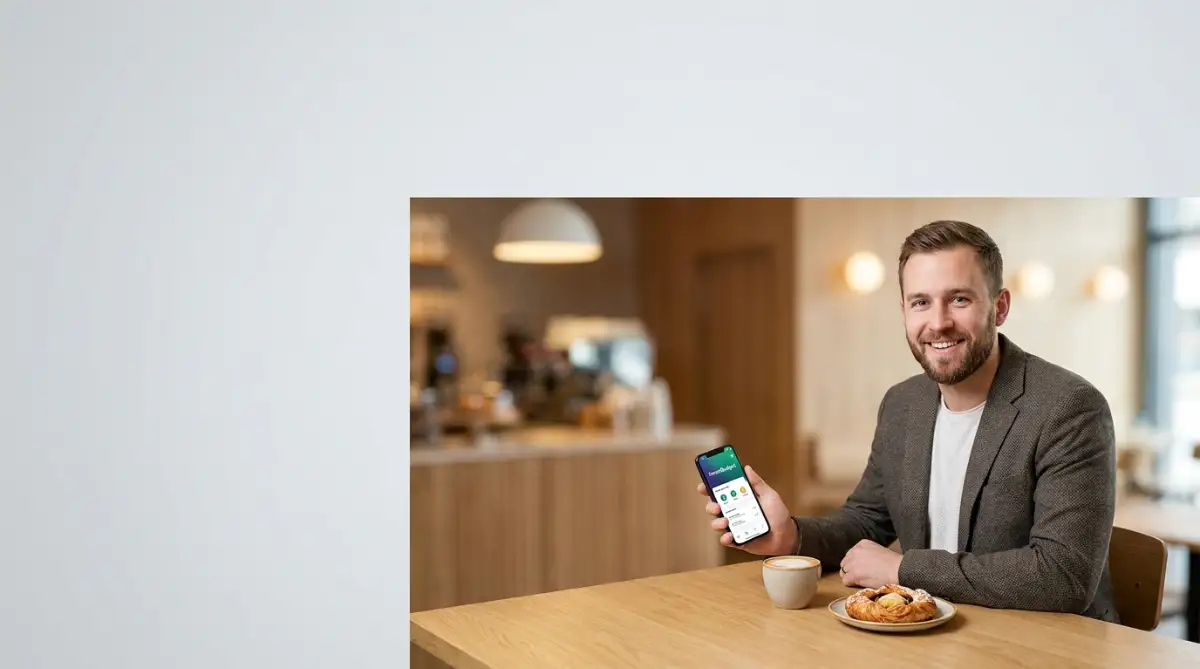
The Hidden Financial Drain of Eating Away From Home
I still clearly remember sitting in a beautiful plaza in Rome, staring at my banking app with a knot in my stomach. I was only two weeks into a three-month European journey, and I had already burned through half of my entire travel savings. The worst part was that I was not spending money on luxury shopping or expensive tours. My hard-earned money was quietly vanishing, one mediocre restaurant meal at a time. I felt incredibly guilty and frustrated with myself.
That sinking feeling of running out of money far away from home is completely terrifying. You save up for months, dreaming of wandering through historic streets and enjoying a carefree lifestyle. But when you are forced to eat every single meal at a restaurant, the financial reality hits you like a brick wall.
You start looking at restaurant menus with pure anxiety, mentally converting currency to see if you can afford a simple plate of pasta. The joy of trying new cuisines quickly turns into a stressful math equation. You begin skipping meals or settling for uninspiring fast food just to protect your remaining funds.
This constant financial worry completely ruins the mental peace you sought by traveling in the first place. Instead of soaking in the local culture, you are constantly hunting for the next affordable meal. Couples and friends often end up arguing over where to eat, totally ruining the mood of the trip.
The truth is, long-term travel requires a completely different mindset than a short weekend vacation. When you only travel for three days, you can absolutely justify treating yourself to fancy dinners every night. But when you are on the road for weeks or months, treating your stomach like you are on a permanent holiday is a massive financial mistake.
Reprogramming Your Travel Diet Mindset
Solving this problem does not mean you have to survive on instant noodles and tap water for a month. You can absolutely enjoy amazing, authentic regional food without destroying your bank account. It simply requires you to build intentional financial habits around how and when you consume your meals. Let us walk through exactly how you can completely restructure your eating habits while exploring the globe.
Embracing the Neighborhood Grocery Strategy
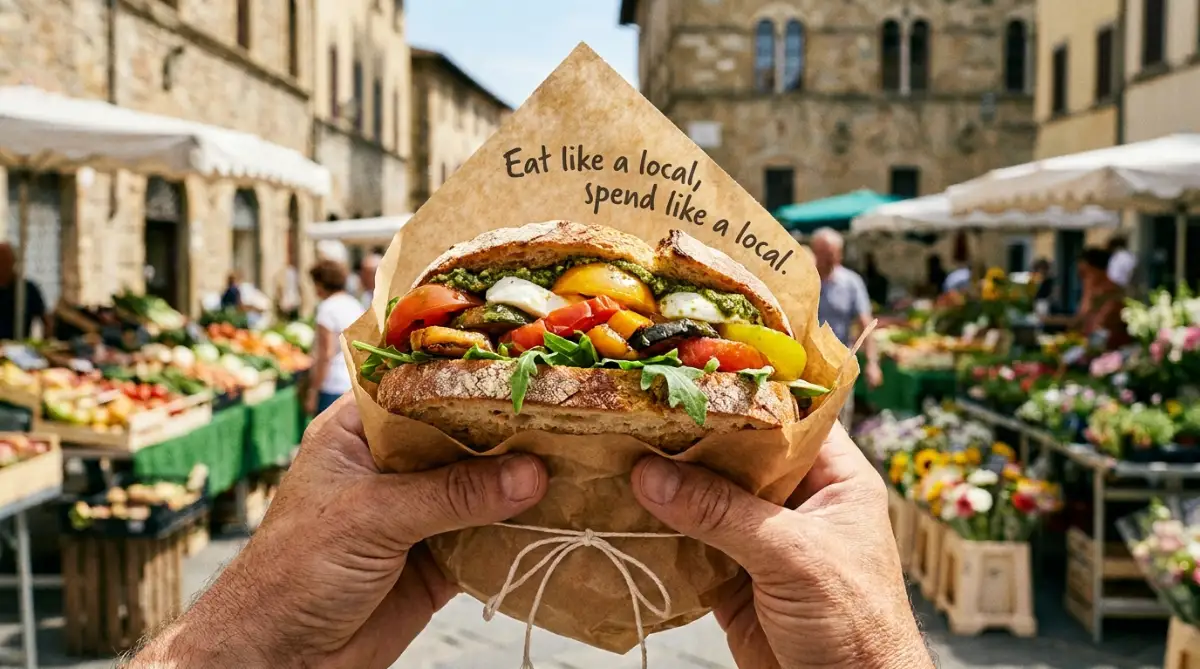
Most tourists treat local supermarkets as invisible buildings, walking straight past them to find the nearest cafe. This is the single biggest missed opportunity for anyone on a long journey. Supermarkets are not just places to buy toilet paper; they are cultural hubs filled with incredible, ready-to-eat local delicacies.
When you enter a grocery store in a new country, you instantly bypass the "tourist tax" added to restaurant menus. You can find massive sections dedicated to fresh bakery items, regional cheeses, and pre-made deli salads for a fraction of a restaurant bill. Grabbing a fresh baguette, some local ham, and a piece of fruit makes for an incredible park picnic.
Make it a strict habit to locate the nearest large grocery store within your first hour of arriving in a new city. Walking through the aisles gives you a realistic baseline for what normal food actually costs in that specific economy. Once you know that a bottle of local wine costs four dollars at the store, you will never pay fifteen dollars for a single glass at a tourist trap again.
I personally love building my breakfast routine entirely around local grocery stores. Buying a carton of eggs, some yogurt, and a bag of local coffee beans costs less than one single breakfast at a trendy cafe. This simple morning habit alone usually saves me hundreds of dollars over the span of a month.
My personal realization hit me hard when I first visited Tokyo. I was spending an absolute fortune at sit-down sushi restaurants for lunch every day. One afternoon, a local friend walked me into a standard neighborhood convenience store. I was totally blown away to find fresh, incredibly high-quality sushi boxes for less than five dollars, completely changing my spending trajectory.
The Strategic "Heavy Lunch" Concept
If you love the experience of sitting down at a nice restaurant, you do not have to give that up entirely. The secret is simply shifting your main dining experience to the middle of the day. In almost every major city around the world, lunch menus are significantly more cost-effective than dinner menus.
Restaurants know that dinner is considered a leisure activity, so they heavily mark up their evening prices. However, during lunch hours, they are trying to attract working locals who need a quick, reasonably priced meal. You can often order the exact same quality of food at 1:00 PM for half the price it would cost at 8:00 PM.
Make it a daily habit to eat your largest, most satisfying meal while the sun is still up. Order the regional specialty, enjoy the nice atmosphere, and tip your server well. By the time evening rolls around, you will naturally be less hungry and perfectly happy with a light, simple snack.
Watch exactly how a simple shift in your daily meal timing can cut your food expenses in half without skipping a single experience.
Booking Accommodations With Your Stomach in Mind
Your food budget is directly controlled by the type of room you choose to sleep in. If you book a standard hotel room with nothing but a bed and a tiny bathroom, you are forcing yourself to buy every single meal outside. This creates a hidden, unavoidable daily expense that most travelers forget to calculate.
When you are planning a trip longer than a week, always prioritize accommodations that offer some level of kitchen access. This could be a shared kitchen in a premium hostel, or a private kitchenette in a travel apartment. Having access to a simple stove and a refrigerator is the ultimate shield against overspending.
Even if you absolutely hate cooking, having a refrigerator changes the game. It allows you to safely store restaurant leftovers, keeping your expensive meals from going to waste. You can buy fresh milk for your morning cereal or keep cold drinks on hand instead of buying them from street vendors.
When you do decide to cook, keep the recipes incredibly simple and focused on local ingredients. You do not need to prepare a complex five-course dinner. Boiling some local pasta with fresh market tomatoes takes ten minutes and feels incredibly rewarding after a long day of walking.
Navigating the Daily "Beverage Bleed"
One of the most silent ways your money disappears is through constant liquid purchases. When you are walking ten miles a day exploring a city, you naturally get thirsty and tired. Stopping for a fancy iced coffee, then a bottled water, and later an afternoon soda seems harmless in the moment.
However, these small three-to-five dollar transactions add up incredibly fast. We call this the "beverage bleed," and it can easily consume twenty percent of your total daily allowance. You have to treat your liquid intake with the same financial discipline as your solid meals.
Always carry a high-quality, insulated reusable water bottle in your day pack. Before you leave your room in the morning, make sure it is completely full. Many modern cities offer clean, free public drinking fountains designed specifically for refilling bottles.
If you are a heavy coffee drinker, consider packing a lightweight travel coffee maker, like a plastic French press or a pour-over cone. Brewing your own caffeine fix in your room before you leave gives you the energy you need without the premium cafe price tag. Save your cafe visits for when you truly want to sit down and enjoy the ambiance, not just when you need a quick energy boost.
The Geometry of Safe Street Food
Street food is a fantastic way to experience authentic flavors while keeping your wallet extremely happy. However, many travelers are terrified of getting sick and ruining their trip. This fear pushes them into bright, expensive restaurants that heavily cater to nervous tourists.
You can safely navigate street food by simply observing the physical geometry of the crowd. Look for food carts or small stalls that have a long, straight line of local workers waiting during peak lunch hours. Locals will never return to a place that makes them sick, and high turnover means the ingredients are constantly fresh.
Pay close attention to how the vendor handles money and food. The safest stalls usually have a dedicated person handling the cash, while another person handles only the cooking. If one person is doing both without washing their hands, it is best to keep walking to the next option.
Also, focus on food that is cooked directly in front of you at very high temperatures. Boiling soups, deep-fried items, and freshly grilled meats are generally much safer than pre-cut fruits or room-temperature salads. Trust your nose and your eyes; if a bustling corner stall smells amazing and is packed with grandmothers, you are usually in for a safe, incredible meal.
Tracking Expenses Without the Guilt
The word "budget" often feels restrictive, like you are putting yourself in financial prison. But tracking your spending is simply about gathering data so you can make confident decisions. If you do not know how much you spent yesterday, you will naturally be terrified to spend anything today.
You do not need a complex spreadsheet to manage your daily allowances. Simply download a clean, visual tracking app on your phone before your trip begins. Every time you buy a coffee or pay for a meal, take five seconds to type the number into the app.
The goal here is not to punish yourself if you go over your limit one day. The goal is to see the rolling average of your spending over the week. If you spent heavily on a beautiful seafood dinner on Tuesday, the app visually shows you that you need to lean on your grocery store habit for Wednesday and Thursday.
Keeping a constant eye on this visual number removes the mystery from your bank account. You no longer have to cross your fingers and hope your card does not get declined. You remain in total, calm control of your financial journey.
Next-Level Strategies for Eating Well Abroad
Once you master the basic habit of balancing groceries with smart restaurant choices, you can start applying more advanced tactics to stretch your travel funds even further. The most successful long-term travelers look at their food budget as a weekly puzzle rather than a strict daily limit. This flexibility allows you to occasionally splurge on a fantastic cultural meal without feeling an ounce of guilt.
One highly effective strategy is adopting the "Two-to-One" rule for your daily eating schedule. This simply means two of your daily meals come from your grocery haul, and only one meal is purchased from a restaurant or street vendor. By eating a home-assembled breakfast and packing a sandwich for lunch, you essentially guarantee that you have plenty of cash left for a nice sit-down dinner.
You can also completely change how you view portion sizes in foreign restaurants. Many Western travelers assume they must order a main course for every single person at the table. In many European and Asian cultures, ordering several smaller appetizers to share is actually the preferred way to eat and socialize.
Sharing multiple small plates gives you the chance to taste a wider variety of local flavors for a fraction of the cost of heavy main dishes. A recent study by the Global Food Tourism Association shows that travelers who focus on sharing local appetizers report much higher satisfaction with their culinary experiences. You eat exactly what you need to feel satisfied, and you avoid walking out with a heavy stomach and an empty wallet.
I used to be incredibly stubborn about always ordering my own massive plate of food because I thought sharing looked cheap. I finally realized that building a stress-free international itinerary means letting go of my ego and eating the way the locals actually do. Now, ordering three appetizers for the table is my favorite way to experience a new restaurant.
Another brilliant tactic is locating the local university district in whichever city you are visiting. College students all over the world share one common trait: they love good food but have very little money. If you walk two blocks away from the main tourist squares and head toward the university campus, food prices instantly drop by forty percent.
The restaurants in these student areas serve massive, hearty portions designed to keep young people full all day. You will find incredible ethnic food, creative modern cafes, and lively atmospheres filled with locals instead of tourists. Understanding how to navigate complex multi-city trips often involves finding these hidden, highly practical neighborhood pockets in every new location.
The Financial Pitfalls That Ruin Long Trips
Even with a solid plan, many travelers accidentally fall into psychological traps that silently drain their bank accounts. The most dangerous trap is the "vacation brain" mindset, where you justify every single impulsive purchase because you are on a trip. It is incredibly easy to say, "I am only in Paris once, so I should definitely buy this expensive dessert."
While treating yourself occasionally is totally fine, applying this logic to every single transaction will ruin you financially. If you use "vacation brain" to justify a five-dollar coffee, a ten-dollar snack, and an overpriced cocktail every single day, you are burning hundreds of extra dollars a week. You must remember that an extended trip is a temporary lifestyle, not a non-stop weekend party.
Another massive mistake is failing to understand the hidden service charges in foreign restaurants. In many countries, simply sitting down at a table triggers an automatic "cover charge" that gets added to your final bill. Sometimes, the waiter will place a basket of bread on your table, and if you eat it, you are instantly charged for it.
Tourists often leave heavy tips out of habit, completely unaware that a service fee was already included in the price of their meal. According to the Consumer Federation of America, hidden dining charges are one of the most common ways tourists overspend their daily limits. Always look at the bottom of the menu or ask your server directly if service is included before you pay.
I also constantly see travelers refusing to adapt to the local eating schedule, which forces them into expensive tourist traps. For example, in Spain, locals eat dinner at 9:00 PM. If you insist on eating dinner at 6:00 PM, the only places open will be low-quality restaurants specifically designed to overcharge tourists.
Adapting your stomach to the local time zone is a massive financial advantage. When you eat at the same time as the locals, you get access to the fresh daily specials and the authentic neighborhood spots. Avoiding the hidden traps of hotel bookings is just like avoiding the trap of eating off-schedule; you have to play by the local rules to get the best value.
Your Blueprint for Stress-Free Travel Dining
You no longer have to look at your travel budget with fear and anxiety. You now understand that eating well on a long trip is simply a matter of balance and geography. By stepping away from the main tourist squares and treating the local grocery store like your best friend, you take complete control of your daily spending.
You know how to strategically time your biggest meals to take advantage of cheaper lunch menus, and you understand the power of booking a room with a kitchen. Most importantly, you know how to avoid the silent "beverage bleed" by simply carrying a reusable water bottle. These small, intentional habits add up to massive financial savings over a month of travel.
You can finally enjoy that beautiful street food or that incredible local appetizer without worrying if your card will decline tomorrow. Managing your money intentionally gives you the ultimate freedom to actually relax and soak in the culture. Knowing how to protect your money on non-refundable bookings and daily meals guarantees your adventure never gets cut short.
I spent years making these exact same mistakes, letting food stress completely ruin some of my favorite travel memories. The moment I started treating my travel diet like a smart local instead of a rich tourist, I was able to travel twice as long for half the price. I want you to start looking at local grocery stores on Google Maps right now so you can take total control of your next massive adventure!
Common Questions About Managing Food Costs Abroad
Should I pack my own snacks from home before my trip starts?
Yes, packing a few familiar snacks like protein bars or mixed nuts is a brilliant idea. When you arrive in a new country completely exhausted from a long flight, having a healthy snack stops you from desperately buying expensive airport food. However, do not overpack; save space in your bag and buy your main snacks at local stores once you settle in.
How do I know if a local restaurant is actually a tourist trap?
A very easy sign is if the restaurant has a huge menu printed in five different languages with bright, fading pictures of the food out front. Authentic local spots usually have a very small, focused menu, often written on a simple chalkboard. If you hear loud English music and see staff aggressively trying to pull people inside, keep walking.
Is it really rude to share a meal at a restaurant in another country?
In most cultures, sharing food is completely normal and actively encouraged, especially if you order an extra appetizer or a few side dishes. Just politely tell the waiter you would like to share and ask for an extra plate. If you are ever unsure, simply look around the room to see how the local families are eating their meals.
Do I still need to tip if the service was just okay?
Tipping culture is entirely different in every single country you visit. In much of Europe and Asia, service staff are paid a full living wage, and tipping is either completely unnecessary or limited to just leaving a few spare coins. Always do a quick internet search on your phone about the specific tipping rules of the country you are standing in.
What is the best way to handle food costs on long travel days?
Travel days on trains or buses are when most people accidentally blow their budget at terrible rest stops. The smartest move is to visit a local bakery or grocery store the night before and pack a full, sturdy meal like a sandwich and some fruit. Learning how to pack smart for travel also means making sure your day bag has enough room for your homemade travel lunch.
Disclaimer: The information provided in this article is for educational and informational purposes only. Travel costs, restaurant policies, and food safety standards vary significantly by country and region. Always use your best judgment, research local customs, and prioritize your personal health and safety when consuming food in foreign environments.