The Middle Seat Nightmare That Changed How I Fly
We all know that sickening feeling of looking at our boarding pass and seeing "Seat 34E"—the absolute dead center of the back row, right next to the noisy lavatories. You paid the exact same base fare as the guy stretching out his legs in the exit row, but the airline still wants another $70 just to let you pick a decent aisle. The truth is, airlines rely heavily on passenger panic to sell those premium spots. If you want to stop getting squished between strangers without opening your wallet, let me show you the hidden algorithm loopholes that frequent flyers use to snag premium seats for free.
My knees actually ached just looking at that number. I had planned this specific overseas vacation for six long months. Now, my massive 12-hour flight was guaranteed to be pure physical torture.
I sat there wondering how I ended up here when I booked my ticket months in advance. The guy sitting in the exit row with unlimited legroom paid the exact same base fare as I did. He just knew how the invisible airline system worked, and I did not.
Right now, everyday travelers face this exact same anxiety every time they book a flight.
It feels like a massive scam designed to squeeze every last penny out of you. This hidden fee structure ruins the initial excitement of travel and replaces it with deep mental stress.
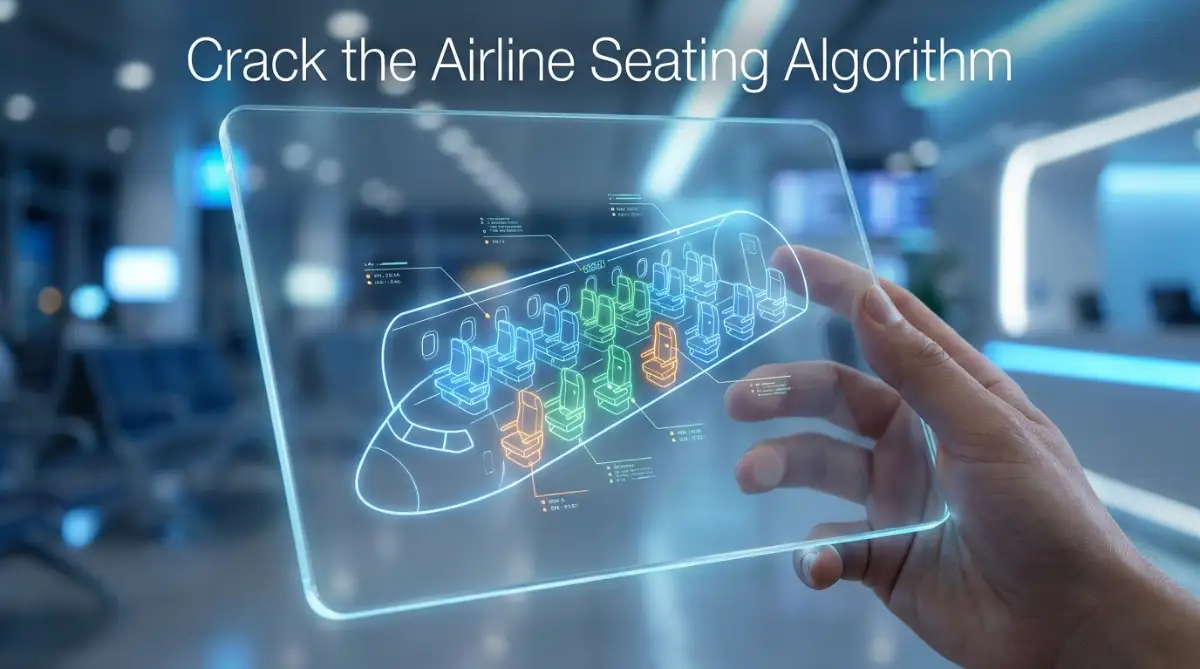
Quick Action Plan: Skip the Seat Fees
- Ignore the 24-Hour Rush: Stop checking in the exact minute you get the email. Waiting a few hours forces the system to give you better leftover inventory.
- Track the 72/48 Hour Windows: Elite flyers get upgraded to first class 2 to 3 days before departure, which instantly empties the best main cabin exit rows.
- Do Not Pick a Seat Early: Leaving your assignment blank during booking forces the algorithm to give you premium spots for free if the cheap rows fill up first.
- Leverage Schedule Changes: Use minor flight time adjustments as a valid excuse to call customer service and negotiate a free premium assignment.
Your Quick Guide to Free Premium Seats
- Wait to Check In: Checking in exactly 24 hours early usually dumps you into the worst middle seats. Wait 5-7 hours so the system is forced to give you leftover premium inventory.
- Watch the 48-Hour Mark: Elite frequent flyers get their First Class upgrades exactly 48 hours before the flight. This instantly opens up their amazing Main Cabin exit rows for you to grab.
- Skip Seat Selection at Booking: If you leave your seat unassigned, the cheap seats fill up first. The airline algorithm will eventually have no choice but to place you in an expensive premium seat for free.
- Be the Gate Agent's Best Friend: If you are flying alone, volunteer to move your seat so the agent can sit a separated family together. They will almost always bump you to a premium row as a thank you.
Decoding the Hidden Logic of Flight Assignments
Many people believe that getting a good spot on a plane is just a matter of dumb luck. They think the system randomly throws passengers into rows like a lottery machine.
This is the biggest myth in the entire travel industry. Airline seating is highly calculated, strictly controlled by advanced computer programs.
Here is a quick breakdown of what airlines want you to believe versus what actually happens behind the screen:
Myth vs. Reality: The Seating Game
- The Myth: The cabin is already 90% full when you book your ticket.
- The Reality: Airlines intentionally block up to 30% of the cabin for elite members, families, and weight balance.
- The Myth: Checking in first guarantees you the best spot.
- The Reality: Early check-ins are often dumped into the cheapest available back rows just to get them out of the way.
- The Myth: A "Preferred" label means you get better legroom.
- The Reality: It usually just means you are closer to the front door, with zero extra physical space.
These programs are called Revenue Management Systems. Their only goal is to hold back the most desirable rows to force panicked travelers into paying extra fees right before takeoff.
Once you understand the basic psychology of this computer program, you can start using its own rules against it. You do not need to be an elite frequent flyer to outsmart the system.
The Illusion of a Sold-Out Cabin
Have you ever looked at a seating map online and seen that almost every single row has a red "X" over it? It makes you panic and buy that one expensive premium spot left in the front.
In reality, the airplane is probably half empty. Airlines intentionally block out huge sections of the cabin map to create a false sense of scarcity.
They block rows for elite members, families with infants, and passengers with disabilities. They also leave rows completely empty in the back of the plane to balance the physical weight of the aircraft.
These "ghost seats" remain hidden from regular passengers for weeks. But the computer cannot keep them hidden forever.
Eventually, the system has to release these prime locations back into the general pool. The secret is knowing the exact moment those invisible locks are removed.
Mastering the T-Minus Release Windows
The computer system operates on a very strict countdown clock. It automatically shifts inventory at specific time markers before the flight departs.
The magic numbers to remember are 72 hours, 48 hours, and 24 hours prior to takeoff. This is when the automated system starts running sweeps to clean up the map.
My Personal 72-Hour Action Plan:
- Day 3 (72 hours out): I open the airline app. If I see empty premium spots open up as business travelers cancel their trips, I snag one immediately.
- Day 2 (48 hours out): First-class automatic upgrades start clearing. I actively look for the exit rows that those frequent flyers just abandoned in the main cabin.
- Day 1 (24 hours out): I completely ignore the immediate check-in alert. I wait about 5 to 7 hours until the bad inventory is assigned to impatient people, leaving only the better spots for me.
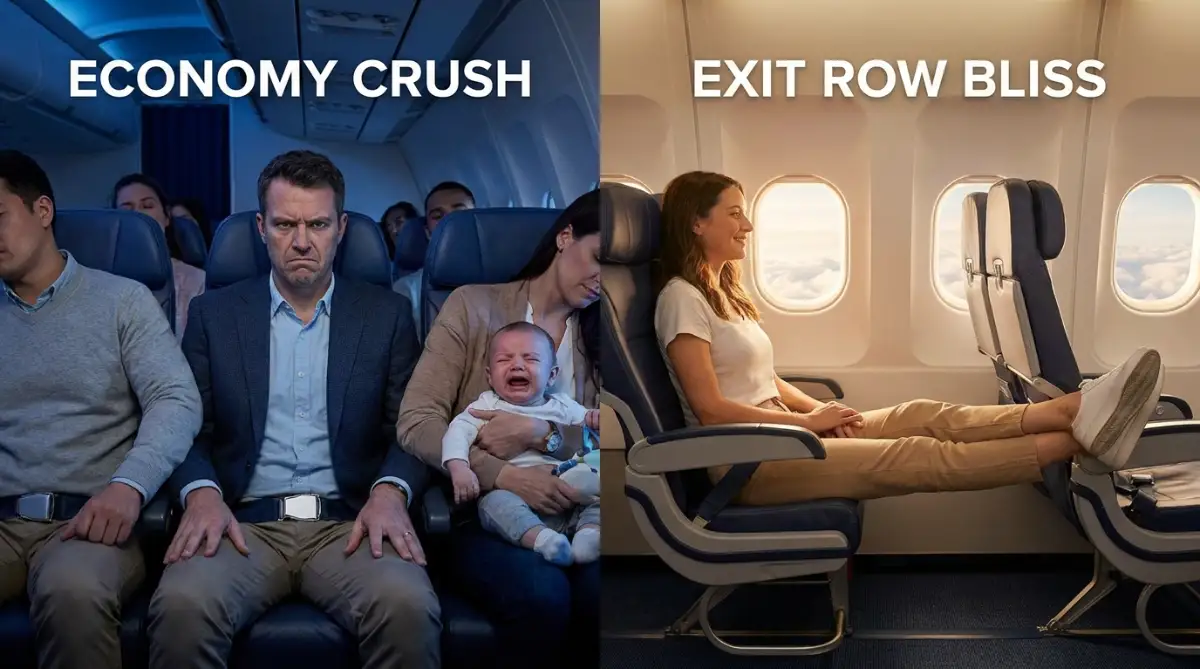
At 72 hours, the airline realizes that their top-tier elite flyers are probably not buying last-minute tickets anymore. The system unlocks a handful of premium economy spots that were being held just in case a VIP showed up.
At 48 hours, another sweep happens. This is when the airline begins processing automatic upgrades for their loyal members, moving them up to first class.
When those elite members move up, their amazing exit row and bulkhead locations become instantly vacant in the main cabin.
Watch Exactly How to Track These Hidden Openings
If you want to see exactly how these empty spots appear on your screen in real time, watch this quick visual demonstration. This short guide will show you exactly what to look for when the system refreshes.
Why Checking In Immediately is a Massive Trap
We have all been trained to hit the check-in button the exact second we get that email reminder 24 hours before our flight. We think being first in line guarantees a better outcome.
This is actually the worst thing you can do if you want a free upgrade. When you check in early, the computer assigns you whatever random middle seat is left in the cheapest section.
Once you are checked in and assigned a spot, the computer considers you a completed task. It locks you into that bad location and moves on to the next person.
If you wait, you let the impatient people fill up all the terrible rows in the back. As the flight gets closer to departure, the system runs out of bad inventory.
My Pro Tip: I used to sit at my computer and smash the refresh button to check in exactly 24 hours early, only to get stuck near the toilets. I eventually realized that waiting just six or seven hours to check in forces the algorithm to place me in the "premium" spots that were originally blocked off for paying customers, simply because it had nowhere else to put me.
The Domino Effect of First-Class Upgrades
To really master this game, you need to understand the beautiful chaos of the upgrade list. This is the single biggest factor that opens up free premium spots for average travelers.
Airlines hate flying with empty first-class chairs. It is bad for their brand image. So, a few hours before the flight, they start moving their frequent flyers up to the front.
Every time one person gets moved into first class, a highly desirable spot opens up in the main cabin. This creates a massive domino effect throughout the entire airplane.
This chain reaction usually peaks around 12 to 24 hours before boarding. If you check the map frequently during this window, you will suddenly see prime aisle and window spots flashing as available.
Because you have not checked in yet, you can swoop in and claim one of these abandoned premium spots for absolutely free.
The Science of Weight and Balance
Airplanes are incredibly sensitive machines. The way weight is distributed across the cabin drastically affects how much fuel the plane burns.
Because of this, the seating algorithm is programmed to keep the aircraft perfectly balanced. If a flight is relatively empty, the system will force people to sit in very specific sections.
Sometimes, the airline will block off the entire back third of the plane. They do this to ensure the nose of the plane doesn't get too light.
If you understand this, you can predict where the empty rows will be. If you see the middle of the plane is packed but the back is completely empty, do not pick a spot right next to the crowd.
Choose a spot right on the edge of the blocked section. Often, the gate agents will keep those back rows empty for weight reasons, meaning you might end up with an entire row to yourself to stretch out and sleep.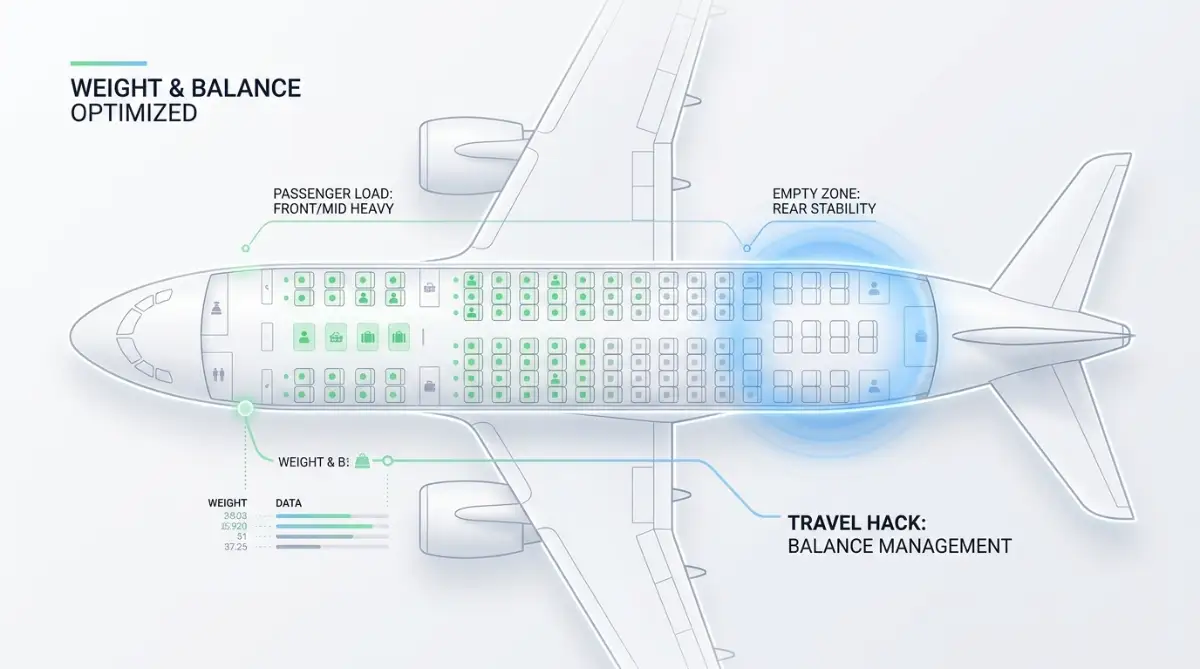
Navigating Equipment Changes Like a Pro
One of the most powerful opportunities for a free premium spot happens when the airline decides to swap the airplane. This is called an equipment change.
Maybe the original plane had a mechanical issue, or maybe they needed a larger plane to handle extra cargo. When a new plane is assigned, the entire seating map breaks.
The computer tries its best to map the old rows onto the new plane layout. But different planes have entirely different configurations.
During this digital confusion, previous seat assignments get scrambled. Premium spots that were locked behind paywalls often become completely unlocked and free for anyone to grab.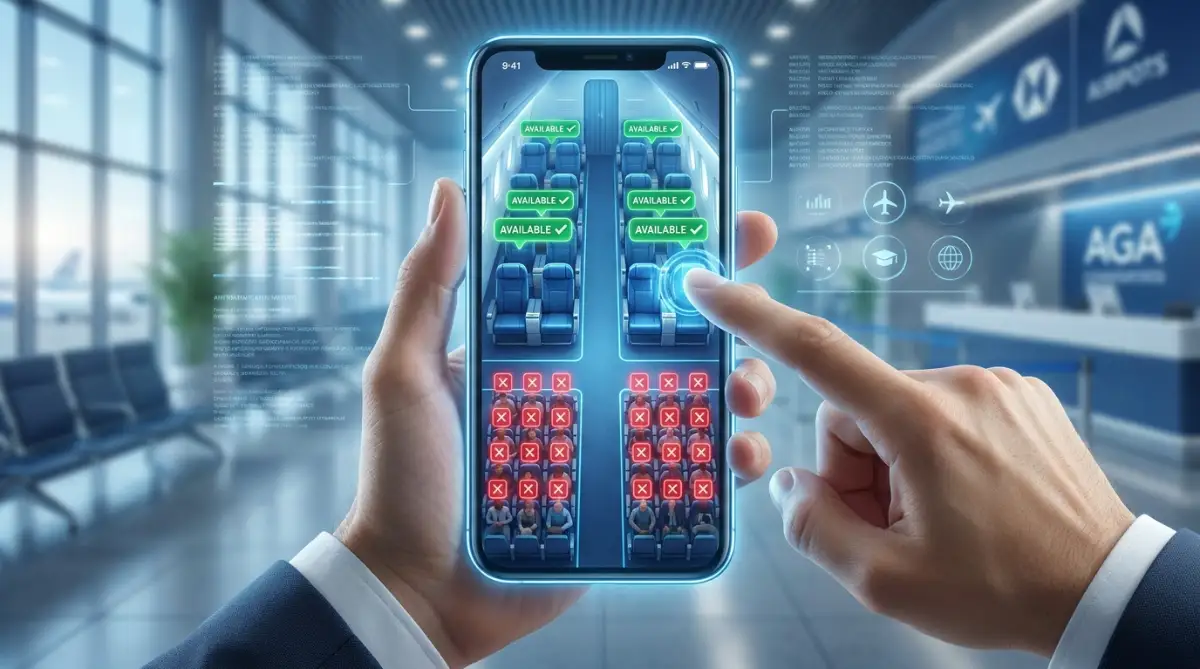
If you ever get an email saying your flight schedule or aircraft has been updated, drop everything and open the seating map immediately.
You can often slide right into a premium economy row that usually costs hundreds of dollars, simply because the new computer map has not fully updated its pricing rules yet.
The Art of the Broken Seat Hack
This strategy is highly specific but incredibly effective when it works. Sometimes, a physical seat on the plane has a broken recline button or a malfunctioning entertainment screen.
Airlines mark these seats as "inoperative" in their system. They will not assign them to paying customers unless the flight is completely oversold.
However, if you are looking at the map near departure time and notice one random spot blocked off in a completely empty row, it might be a broken screen.
If you do not care about the TV, you can sometimes ask a booking agent to place you in that specific row. Because no one else will be assigned next to you, you gain massive physical space.
Trading a working screen for an entire row of empty space is a fantastic deal for long international flights. You can just watch movies on your own iPad while enjoying the extra room.
Monitoring the Seat Map Like the Stock Market
Getting a preferred spot without paying is not a passive activity. You cannot just look at the map once and give up.
You need to treat the airline app like a day trader treats the stock market. Inventory fluctuates wildly in the last 48 hours before departure.
A family of four might suddenly cancel their trip because someone got sick. Four amazing bulkhead spots just opened up.
A business traveler might miss their connecting flight. Their prime aisle spot is now empty.
If you check the app every few hours during the day before your flight, you will catch these sudden drops in inventory. It only takes ten seconds to refresh the app and see if a better option has appeared.
When you see a good spot flash on the screen, you have to click it immediately. Do not hesitate. In the world of free travel upgrades, speed is your biggest advantage.
Why You Should Never Select a Seat at Booking
Airlines aggressively push you to pick a spot the second you buy your ticket. They use pop-ups and warning messages to make you feel like you will be left behind if you do not pay right now.
This is purely psychological manipulation. If you are traveling alone, always skip the seat selection page entirely.
Leave your assignment blank. Let the system worry about where to put you.
When you leave it blank, you force the algorithm into a corner. As the cheap sections fill up with people who paid twenty dollars for a basic aisle, the only spots left for the system to assign you are the expensive ones.
The airline will never force you to pay for a premium spot if it is the only thing left on the plane. They have to give it to you for free just to get you on board.
This requires a little bit of nerve. It feels strange to go to the airport without a confirmed number on your ticket.
But once you realize that the computer is actively saving the best spots for last, that anxiety completely disappears. You are simply playing a waiting game that the airline hopes you do not know about.
Mastering the Gate Agent Psychology for Last-Minute Swaps
Understanding the computer algorithm is only half the battle when you want a better spot on the plane. The other half involves mastering human psychology, specifically how you interact with the gate agents.
These airport employees hold absolute power over the seating chart in the final hour before boarding. The computer stops making automatic changes about sixty minutes before departure, handing full manual control over to the desk staff.
Gate agents are usually incredibly stressed out. They are dealing with angry passengers, delayed catering trucks, and strict departure deadlines.
Most people approach the desk with complaints, demands, or a sense of entitlement. If you walk up and immediately start complaining about your middle seat, they will mentally shut down and give you standard corporate excuses.
Instead, you have to treat them like a human being who is having a difficult day. Approach the desk when there is no line, usually right after they make their initial boarding announcements.
Smile, ask how their shift is going, and then ask a very specific question. Do not ask, "Can I have a free upgrade?"
Instead, ask, "I noticed the flight looks a bit empty today. Are there any weight and balance restrictions keeping the back rows blocked off, or is there any chance I could move to a window to give the person next to me more room?"
This phrasing is absolute magic. You are offering a solution that makes another passenger happier, which makes the agent's job easier.
My Personal "Gate Agent" Cheat Sheet:
- Don't say: "Can I get a free upgrade?" (They hear this 50 times a day and will ignore you).
- Do say: "I know you're busy trying to seat families together. I'm flying solo in row 22, so I'm happy to move anywhere if you need my seat to fix a family's reservation." (This solves their biggest headache, and they will almost always reward you with a premium exit row).
The Hidden Power of Solo Travel Flexibility
If you are flying alone, you have a massive advantage over families and couples. Gate agents constantly need to fix seating problems for parents who were separated from their young children by the booking system.
When a mother is stuck in row 12 and her five-year-old is in row 30, the agent has to find a solo traveler willing to move. This is your golden ticket to the front of the plane.
You can walk up to the desk and politely let them know you are traveling alone and are perfectly willing to be relocated if they need to sit a family together. Gate agents love passengers who volunteer to help.
When you offer to solve their biggest headache, they will rarely move you to a worse spot. They will almost always reward your kindness by bumping you into an exit row or a premium economy aisle that was previously locked behind a massive paywall.
This simple act of volunteering requires zero elite status. It just requires empathy and good timing.
Leveraging Airline Schedule Adjustments
Sometimes, the airline will change your departure time by just ten or fifteen minutes a few months before your trip. Most people ignore these automated emails because a ten-minute change does not disrupt their plans.
However, any change to your itinerary technically breaks your original contract with the airline. When they alter the schedule, their system often unlocks your reservation for free modifications.
This is a hidden loophole that smart travelers use constantly. If you call customer service after a schedule change, you can often politely request a better seating assignment as compensation for the "inconvenience" of the changed time.
Phone agents have special codes they can enter to waive seat selection fees if the airline initiated a schedule change. You can secure a premium spot entirely for free just by making a five-minute phone call.
If you are planning a massive overseas trip, you need every advantage you can get. Learning how to navigate these system changes is just as important as coordinating complex multi-city flight schedules without losing your mind.
Using Third-Party Tracking Tools
You do not have to stare at the airline app all day to catch a good spot. There are brilliant third-party websites designed to do the heavy lifting for you.
These tracking services allow you to set up an alert for your specific flight. You simply enter your flight number and tell the system you want an aisle spot near the front.
The tracker constantly pings the airline's database behind the scenes. If a passenger cancels their trip and a premium spot suddenly becomes available, the service sends you a text message immediately.
This allows you to open the airline app and grab the newly opened space before anyone else even notices it. It feels like having a personal travel assistant working for you around the clock.
Using these smart tracking methods completely removes the anxiety of flying. It becomes a fun, strategic game rather than a stressful chore.
 The Disastrous Booking Habits Ruining Your Comfort
Even when people know the secrets, they still fall into the same emotional traps set by the airline industry. We are conditioned to panic when buying travel tickets.
When you see that red warning message screaming "Only 2 seats left at this price!", your brain goes into survival mode. You stop thinking logically and start clicking buttons just to secure your spot.
This manufactured urgency is exactly how airlines trick smart people into making terrible decisions. If you want to travel comfortably without emptying your wallet, you have to recognize these psychological traps.
It is very similar to the tricks used in the hospitality industry. If you have ever been caught by booking directly on hotel websites and realizing you paid hidden resort fees, you know exactly how frustrating this feels.
Airlines use the exact same deceptive design patterns on their seating maps.
Falling for the "Preferred" Naming Trap
The biggest scam in modern aviation is the invention of the "Preferred Seat". Airlines color-code their seating maps to make certain rows look highly exclusive and expensive.
They will charge you sixty or seventy dollars to pick a blue-colored preferred spot. But you need to read the fine print very carefully.
A preferred spot usually offers absolutely zero extra legroom. It is the exact same cramped, painful chair as the free ones in the back.
The only difference is that it is located a few rows closer to the exit doors. You are literally paying seventy dollars just to get off the airplane three minutes faster.
Never pay for a preferred designation. Only consider paying extra if the map specifically says "Extra Legroom" or "Premium Economy".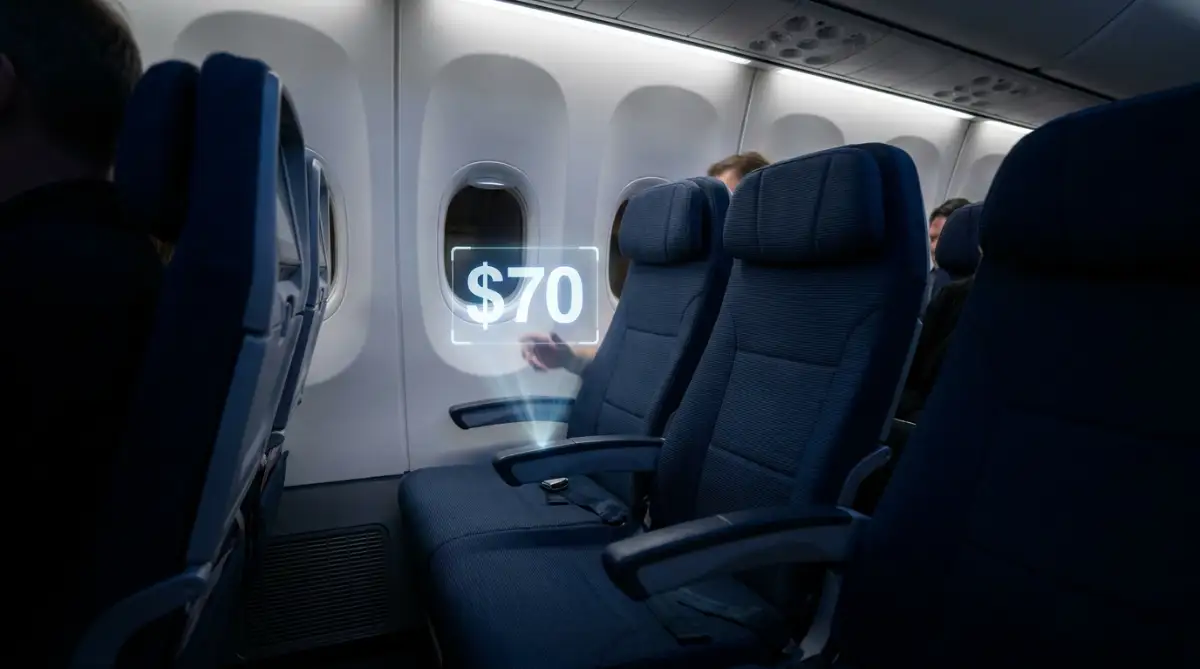
Linking Reservations the Wrong Way
If you are traveling with a partner but you bought your tickets on separate credit cards, the computer system has no idea you are together. To the algorithm, you are just two random strangers.
When the automated system runs its sweeps and assigns leftover inventory, it will likely throw you on opposite ends of the airplane. Many couples only realize this when they print their boarding passes at the airport.
To avoid this disaster, you must call the airline right after booking and ask them to "link your PNRs" (Passenger Name Records).
When the agent manually links your confirmation numbers, the system treats you as a single unit. Even if you get randomly assigned at the last minute, the computer will prioritize keeping you side-by-side.
You should also be aware of the official guidelines regarding family seating. According to the latest Department of Transportation consumer protection rules, airlines are increasingly being pressured to seat children next to their parents without charging extra fees.
Always mention this politely to the gate agent if you are traveling with young kids and the system splits you up.
Ignoring the Actual Airplane Model
Most travelers just look at the departure time and the price. They never check what type of airplane they will be flying on.
This is a massive mistake because not all airplanes are created equal. A Boeing 737 has a completely different internal layout than an Airbus A321.
Some planes have terrible metal boxes bolted under the chairs to run the entertainment screens. If you pick a spot with an entertainment box under the chair in front of you, you lose half of your foot space.
Before you ever accept a seating assignment, you need to research the specific aircraft. There are independent websites dedicated to mapping out the good, the bad, and the horrible spots on every single commercial plane.
Sitting in a bad spot is not just annoying; it can actually hurt you. Being trapped in a twisted posture for hours can lead to serious joint pain, which is exactly why reverse sitting damage has become such a massive focus for frequent flyers.
Your physical health should always be your top priority when flying.
Paying for Basic Economy and Hoping for the Best
The introduction of Basic Economy tickets changed the travel landscape forever. These ultra-cheap fares come with severe, non-negotiable restrictions.
Many people buy Basic Economy thinking they can just use the gate agent tricks to get a better spot. This will not work.
Basic Economy tickets are hard-coded into the system to prevent any free upgrades, even if the entire premium section is empty. Gate agents are often locked out from moving a Basic Economy passenger to an extra legroom row unless it is an absolute emergency.
If you care about where you sit, you must buy a standard Main Cabin ticket. The twenty-dollar savings on a basic fare is never worth the physical pain of being permanently locked into the worst row on the plane.
There are so many flight booking myths exposed online, but the truth about basic economy is clear: you get exactly what you pay for, with zero flexibility.
The Danger of Checking Large Bags
This might sound unrelated to seating, but checking a massive suitcase severely limits your ability to negotiate at the gate.
Sometimes, the gate agent will announce that the flight is oversold. They might offer volunteers a chance to take the next flight, plus a massive cash voucher and a guaranteed first-class spot on the new plane.
If you have a checked bag buried deep in the cargo hold, you cannot easily volunteer. The airline does not want to delay the current flight to dig through the luggage compartment to find your bag.
Travelers who only bring a carry-on backpack have ultimate flexibility. They can hop on different flights, accept free upgrades on later departures, and maneuver through the airport with zero friction.
When you travel light, you control your destiny.
The "Basic Economy" Reality Check:
If you bought a Basic Economy ticket, almost none of these algorithm hacks will work for you. Basic Economy is hard-coded into the airline's system to prevent free upgrades, even if the entire premium section is completely empty. Always pay the extra $20 for a standard Main Cabin ticket if you want any chance of playing the seating game.
Your New Playbook for Stress-Free Cabin Upgrades
Flying does not have to be a miserable, cramped experience that drains your wallet. The airline industry relies on passenger ignorance to generate billions of dollars in seat selection fees every single year.
Now that you understand how the revenue management algorithms operate, you are no longer a passive participant in their game. You know exactly how to read the hidden signals on the seating map.
You know why waiting to check in can force the computer to hand you a premium spot. You understand the incredible value of kindness and empathy when dealing with stressed-out gate agents.
These strategies require patience and a little bit of nerve. It can feel scary to leave your assignment blank until the day of travel, but the mathematical odds are heavily in your favor.
If you are preparing for a massive upcoming trip, use these techniques to build a completely stress-free international itinerary. Your vacation should begin the moment you sit down on the plane, not the moment you land.
Airports are naturally chaotic environments designed to make you feel rushed. By learning nervous system regulation techniques, you can stay calm, collected, and highly observant while everyone else is panicking at the boarding door.
You have the knowledge to take back your comfort. Keep your app updated, watch the 24-hour release windows closely, and always travel with a polite smile.
I used to dread long-haul flights because I thought backaches and middle seats were just a normal part of travel. Once I started applying these exact timing strategies, my entire perspective shifted, and I have not paid for a premium upgrade in years. You deserve that same level of comfort on your next adventure, so start tracking those hidden map changes today.
Burning Questions About Hacking the Seating Algorithm
Will asking a flight attendant for an upgrade work?
Flight attendants usually have no control over upgrades once you are on the plane. Upgrades are strictly managed by the gate agents before the boarding door closes. If you wait until you are inside the aircraft to ask for a better spot, it is almost always too late.
Do airlines intentionally split families up to force upgrades?
Airlines claim their automated systems do not intentionally target families, but the random assignment algorithm often naturally separates people on crowded flights. It is a controversial issue, and the government is currently pushing airlines to guarantee adjacent family seating without mandatory extra fees.
What happens if I just move to an empty row after takeoff?
Once the plane reaches cruising altitude, you can usually ask a flight attendant if you can slide into an empty row in the same cabin class. However, you are strictly forbidden from moving yourself into premium economy or first class, as airlines track those specific high-value spots very closely.
Does having an airline credit card help my chances?
Yes, holding a co-branded airline credit card gives you a massive advantage in the computer system. Even the basic entry-level cards often bump you slightly higher on the invisible priority list, meaning the algorithm will automatically assign you better spots than someone without a card.
Why do some empty spots have a blue "X" over them on the app?
A blue "X" or a grayed-out icon usually means the location is physically broken or reserved for flight crew rest periods on international routes. These are hard-blocked by the system and cannot be assigned to regular passengers under any circumstances.
Disclaimer: The information provided in this article is for educational and informational purposes only. Airline seating algorithms, policies, and fee structures change frequently and vary wildly between different carriers. We do not guarantee free upgrades or preferred seating. Always read the specific terms and conditions of your purchased ticket and consult directly with your airline for official boarding guidelines.