
The Personal Nightmare Of Buying A "Perfect" Home
Let’s be real for a second. You spend years eating cheap ramen and skipping family vacations just to save up for your first house. Then you finally get the keys, walk inside, and feel a weird, soft bounce under your living room floor. That is exactly what happened to me, and I quickly realized that the fresh paint and shiny counters were just a mask for rotting wood. If you do not know how to spot the hidden traps in a house, your dream home will drain every last penny from your bank account before you even unpack your boxes.
That is when I saw the thick, black rot completely eating away at the main support beams of the house. I had poured my entire life savings, every single penny, into this beautiful property. I honestly thought I did everything right, but I was now staring at a massive repair bill that I simply could not afford.
It breaks my heart knowing so many first-time buyers walk right into this exact same trap every single day. You spend months saving up every extra dollar, skipping family vacations, and eating cheap meals just to get your down payment ready. Then you finally find a house that looks absolutely flawless on the outside.
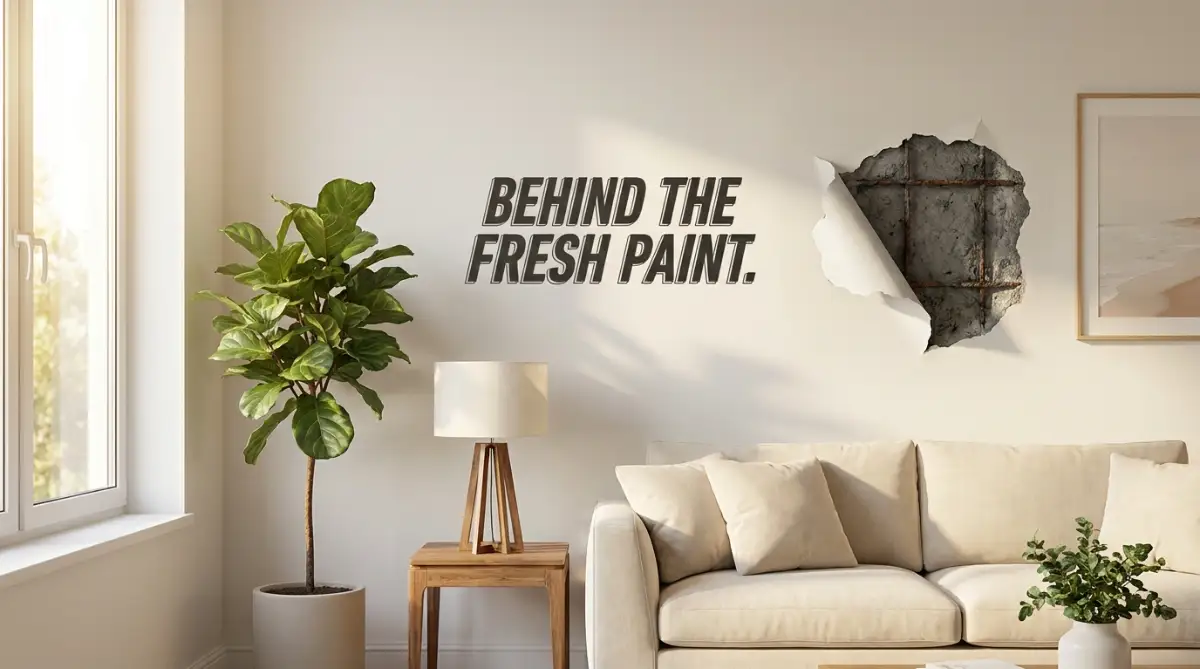
The walls are freshly painted, the kitchen counters sparkle brightly, and the garden looks completely magical. But right behind that fresh coat of paint hides a terrifying reality that steals your peace of mind entirely. Regular families are waking up to flooded basements, sagging roofs, and dangerous electrical faults that the home inspector somehow completely missed.
The constant, heavy anxiety of wondering what will break next makes it impossible to sleep soundly. You feel completely cheated by the system, angry at the seller, and deeply disappointed in yourself for not noticing the warning signs early on.
3 Red Flags You Must Check Before Making an Offer
- Why did they paint just one wall? Fresh paint in random spots usually hides water damage or spreading mold.
- Does a marble roll across the floor? If you drop a marble and it rolls to a corner, the house foundation is actively sinking.
- Did you check the attic? A brand new roof on the outside means absolutely nothing if the wood underneath is rotting away.
Decoding The House's Secret Language
We often walk through an open house completely blinded by our own excitement. We look at the beautiful kitchen cabinets and imagine our furniture in the living room. But a house is basically a living, breathing machine that tells you exactly how healthy it is if you know how to listen.
You need to completely change how you view a property tour. Stop looking at the decorations and start looking closely at the heavy bones of the building. Let us walk through the exact physical signs that prove a house is secretly falling apart.
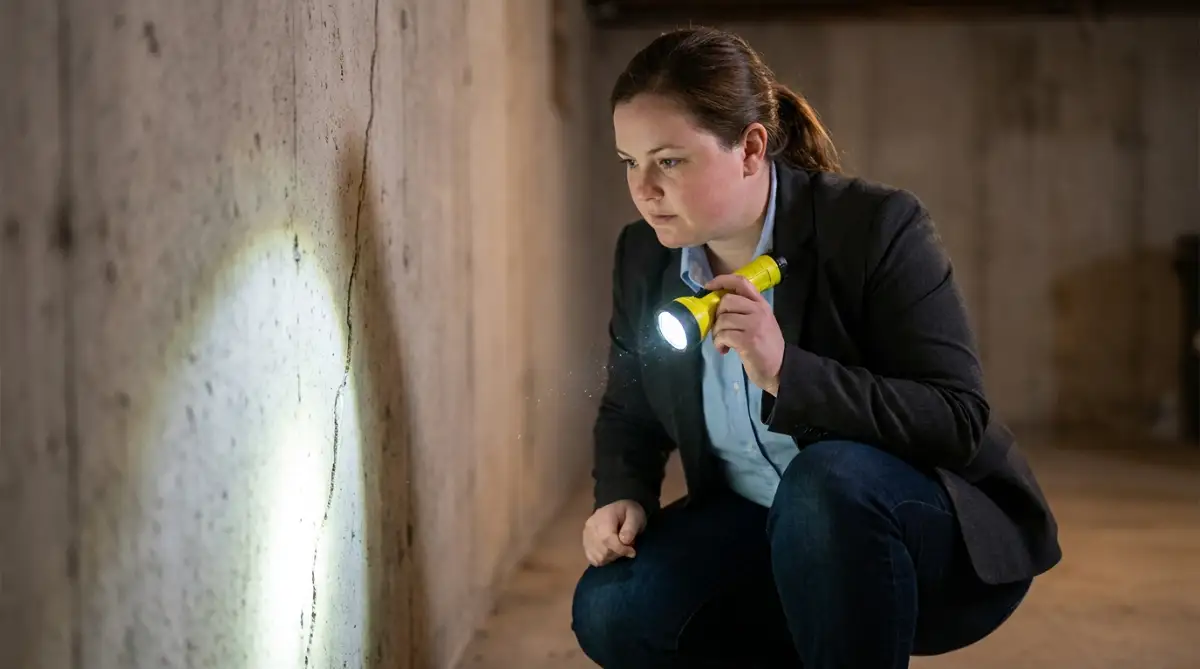
These are not crazy engineering theories. These are highly practical, everyday things you can spot with your own two eyes and a simple flashlight.
Why Fresh Paint Is Often A Massive Red Flag
Everyone loves the smell of fresh paint in a new house. It makes the entire space feel clean, modern, and totally ready for you to move in. However, in the real estate world, a brand new coat of paint in a very specific area is highly suspicious.
Sellers often use thick layers of paint to quickly cover up dark water stains, spreading mold, or tiny foundation cracks. This is a cheap band-aid fix that entirely hides a very expensive structural nightmare. You need to look extremely closely at the corners of the ceilings and the areas right around the windows.
If you see a wall that looks slightly bubbly, uneven, or wavy under the new paint, walk away immediately. This bubbling happens because trapped moisture inside the wall is physically pushing the paint outward. The paint might look totally fresh today, but in three months, that entire wall will likely crumble into wet pieces.
The Gravity Test: Listening To The Floors
Floors are actually the most honest part of any building structure. They carry the entire physical weight of the house, so they always show the first signs of serious mechanical failure. When you walk through a property, you must pay deep attention to how the floor actually feels beneath your feet.
Watch this incredibly helpful visual breakdown to understand exactly how house foundations shift and fail over time.
If you place a small glass marble on the floor and it quickly rolls to one corner of the room, you have a major problem. This simple trick proves that the house is slowly sinking into the ground on one side. The wooden joists underneath might be entirely broken, rotting, or eaten by hungry termites.
Do not let the real estate agent tell you that a sloping floor just adds "historic charm" to the home. Sloping floors mean the basic gravity of the house is entirely unbalanced. Fixing a sinking foundation can easily cost you tens of thousands of dollars and completely ruin your financial future.
The Ugly Truth: What Broken House Bones Actually Cost
Here is a quick reality check on what you might have to pay if you ignore these warning signs during a house tour:
| The Hidden Problem | What The Seller Says | Real Cost To Fix It |
| :--- | :--- | :--- |
| Sloping Floors | "It just adds historic character!" | $10,000 - $30,000 |
| Painted Basement Walls | "We just wanted it to look bright." | $5,000 - $15,000 |
| Bubbly Window Paint | "Oh, that is just normal house settling." | $2,000 - $8,000 |
The Silent Attackers: Water And Soil Pressure
Water is the single most destructive force on planet Earth. When it comes to a residential property, water can slowly destroy thick concrete in just a few short years. You must carefully inspect the outside soil surrounding the house.
The dirt in the garden should always slope away from the exterior walls of the house. If the soil slopes downward towards the building, every single rainstorm will push heavy water directly against the foundation. This creates something called hydrostatic pressure.
Hydrostatic pressure means heavy, wet soil is physically squeezing the concrete walls of the basement until they finally snap. Look for white, chalky powder on the inside basement walls. This powder is left behind when outside water forces its way through solid concrete, bringing ground minerals inside with it.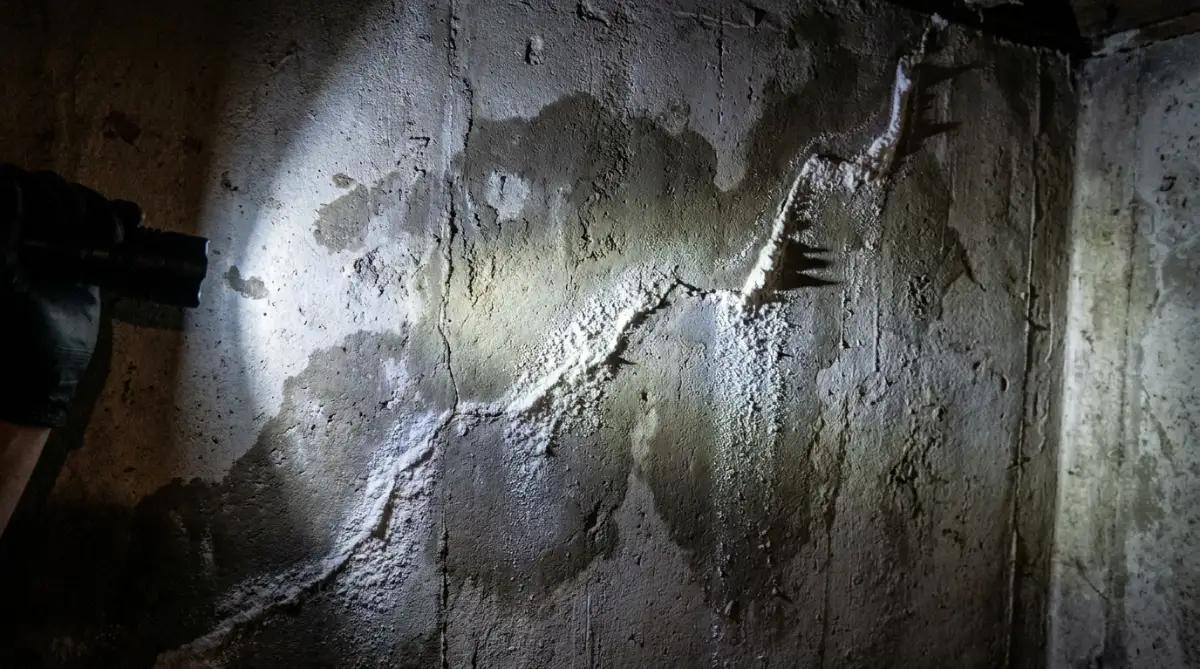
I actually completely ignored a tiny patch of this white powder in my own garage because I thought it was just regular dust. That silly mistake ended up costing me three thousand dollars when the entire wall started leaking during a heavy spring storm. If you ever see white chalk on concrete walls, you must immediately assume heavy water is hiding right behind it.
Electrical Nightmares Hiding Inside The Walls
We rely heavily on electricity for everything we do today. But older houses were simply not built to handle multiple smart TVs, heavy gaming computers, and modern air conditioners running all at once. An overloaded electrical system is a massive fire hazard hiding silently inside the drywall.
Go straight to the main electrical panel and just look closely at the physical switches. If you see scorch marks, melted plastic, or smell a faint burnt odor, the system is actively overheating. The metal wires inside the walls are getting way too hot because they cannot handle the heavy power demand.
You should also plug a cheap outlet tester into random sockets around the house during your tour. Many sellers will illegally install modern three-prong outlets without actually connecting the mandatory safety ground wire. This dirty trick makes the house look updated, but it puts your expensive electronics and your family at massive physical risk.
Roof Geometry And The Secret Path Of Leaks
Looking at a roof from the front yard tells you almost nothing about its true health. A roof might have brand new shingles on top, but the heavy wooden structure underneath could be entirely rotten. Water is incredibly tricky, and it rarely drips straight down from a hole.
When rain enters a tiny crack in the roof, it often travels horizontally along the wooden beams for several feet before finally dropping onto your ceiling. This means a water stain in your bedroom could actually be coming from a broken vent completely on the other side of the house. You have to physically stick your head up into the dark attic to find the actual truth.
Look directly at the wooden panels above you for dark black spots or fuzzy white patches. These marks prove that hot, moist air is getting trapped in the attic space without proper ventilation. This trapped moisture acts like a slow-cooking oven, baking the wooden roof supports until they eventually become as weak as soft cardboard.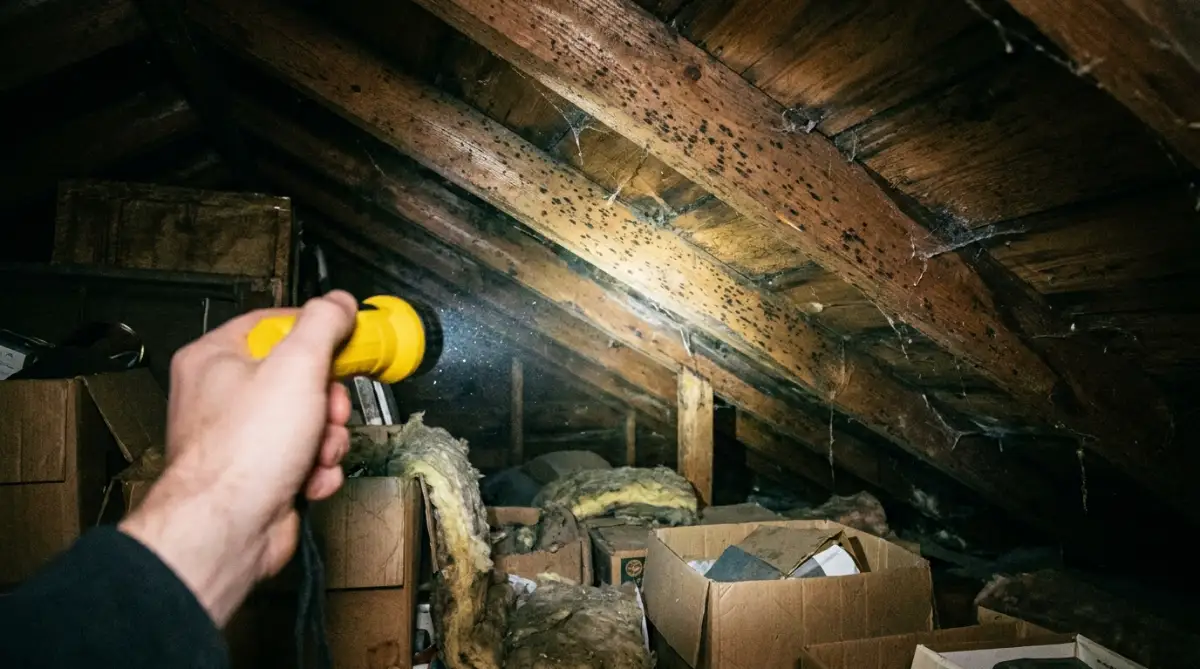
Reality Check: The Truth About Home Inspectors
Many buyers believe that hiring a professional home inspector acts as a magical shield against all future problems. People think the inspector will find every single broken pipe, hidden wire, or tiny crack.
This is a very dangerous myth that gives buyers a totally false sense of complete security.
You cannot just blindly trust a fifty-page inspection report to save you. You must become your own primary detective. Use your own eyes, nose, and hands to actively verify everything the inspector puts on that piece of paper.
The Sniff Test: What Smells Reveal About Structural Health
Our noses are actually highly sensitive warning systems built by nature to protect us from danger. When you walk into a property, completely ignore the sweet smell of the baking cookies the seller left out. Take a deep breath near the floorboards, inside the dark closets, and down in the basement.
If you smell a heavy, musty, or earthy odor, you are actively breathing in mold spores. Mold physically cannot grow without a constant, heavy source of water nearby. Therefore, a musty smell is absolute proof that water is secretly leaking somewhere inside the structure of the house.
Sometimes, sellers will run heavy air purifiers or spray strong chemical air fresheners before you arrive. If a house smells like a heavy perfume factory, they are likely trying to mask the dark smell of rotting wood. Always trust your gut reaction to a smell over whatever sweet story the real estate agent tells you.
Window Frame Physics: The Ultimate Settlement Warning
Windows are essentially giant glass squares fitted into tight wooden frames. Because glass cannot bend or stretch, windows are incredibly sensitive to any structural shifting in the house. This makes them the absolute perfect early warning system for massive foundation failure.
Walk around the house and try to physically open and close every single window you can reach. If a window easily gets stuck, feels highly jammed, or suddenly slams shut on its own, the house is actively moving. The actual frame of the building has shifted out of its original square shape, tightly crushing the window frame.
Look closely at the outside corners of the window frames for thick, diagonal cracks in the brick or siding. Horizontal cracks are normal, but deep diagonal cracks mean the earth underneath the house is violently pulling the building apart in opposite directions. This is the exact moment you need to completely walk away from the deal and find a safer place to live.
Pro-Level Strategies To Bulletproof Your Home Purchase
If you want to protect your hard-earned money and sleep peacefully in your new house, you have to think completely differently than an average buyer. You cannot just walk through the front door, admire the kitchen countertops, and make a massive financial offer. You need to act like a private investigator checking a very suspicious background story.
The people who successfully buy safe, solid properties are the ones who dig beneath the surface. I want to share some highly advanced, expert-level strategies that will keep you from buying a broken house. These are the exact methods professional real estate investors use to spot secret disasters before spending a single dollar.
The Heavy Rain Walkthrough Method
Most people schedule their property viewings on beautiful, sunny weekend afternoons. This is a massive mistake because sunshine completely hides how a house actually handles bad weather. You should always try to visit your dream property while it is raining heavily outside.
When it rains, you can clearly see if the gutters are completely clogged and spilling water down the brick walls. You will instantly notice if massive puddles of water are pooling right against the concrete foundation. According to detailed reports from the Federal Emergency Management Agency (FEMA) on residential flood risks, poor surface drainage is the leading cause of sudden basement flooding.
If you see water flowing toward the house instead of away from it, you are looking at a future nightmare. You will also hear exactly how loud the roof is and spot any active leaks in the attic before the seller has a chance to hide them.
Demand A Sewer Line Camera Inspection
One of the most expensive hidden traps in any older house is buried deep underground where nobody can see it. The main sewer pipe connecting the house to the city street is often made of old clay or weak iron. Over the years, thick tree roots can easily crush these pipes to drink the water inside.
A standard home inspector will never find this issue because they do not carry the expensive equipment needed to look underground. You must hire a specialized plumber to push a tiny video camera directly down the main drain pipe. If the camera shows heavy tree roots or a completely collapsed pipe, you will save yourself a massive plumbing bill.
Repairing a broken main sewer line requires tearing up the entire front yard and can easily cost thousands of dollars. Do not let this hidden underground trap completely ruin your budget right after you move in.
Verify Every Single City Permit
Flipped houses look incredibly beautiful on the surface, but they are often the most dangerous properties on the market. Some greedy investors buy ugly houses and quickly hire cheap, unlicensed workers to make everything look pretty. They often tear down walls and install new electrical wiring without ever getting legal permission from the city.
You must call the local municipal office and ask to see the official permit history for the property. If the house has a brand new master bathroom but zero plumbing permits on file, you have a major problem. Unpermitted work is highly unsafe, and your local government can actually force you to tear it all down at your own expense.
Myth vs. Fact: The Flipped House Trap
- The Big Myth: Buying a freshly flipped house means you won't have to spend any money on repairs for at least ten years.
- The Scary Fact: Flippers care about fast profits, not long-term safety. They will gladly spend $3,000 on luxury marble countertops while completely ignoring the 40-year-old rusty plumbing pipes sitting right underneath them. Always check what is hiding behind the shiny new upgrades.
Pro Tip from My Experience: I almost bought a beautiful flipped house until I checked the city records and found out the new basement bedroom was totally illegal. I realized that if the seller lied about the legal permits, they were definitely hiding other dangerous shortcuts. I immediately walked away from the deal, and it was the smartest financial decision I ever made.
Protecting Your Financial Health First
Before you even start worrying about the physical foundation of the house, you need to ensure your financial foundation is completely solid. A bad house can drain your wallet, but a bad loan will keep you trapped in debt for decades. You must actively avoid the silent credit score killers ruining your chances for a mortgage approval long before you make an offer.
If you accidentally buy a property with hidden damage, you might be forced to borrow even more money just to fix the roof. This desperate situation is exactly how families get trapped by the hidden reality of unsecured personal loans. Always keep a heavy emergency fund saved up specifically for unexpected home repairs.
Dangerous Buyer Traps That Will Empty Your Wallet
Let us look closely at the most common, highly dangerous mistakes ordinary people make when closing on a property. Understanding these specific pitfalls will keep your mind clear and your bank account entirely safe.
The Bidding War Panic (Waiving Inspections)
When a house is highly popular, buyers often start fighting each other by offering more money and fewer conditions. Real estate agents sometimes pressure buyers to completely drop the home inspection condition to make their offer look better to the seller.
Waiving your right to an inspection is the single most dangerous mistake you can ever make in real estate. It is the exact equivalent of buying a used car while blindfolded. When you skip the inspection, you are legally accepting every single broken wire, leaky pipe, and rotten beam in the house.
The Consumer Financial Protection Bureau (CFPB) actively warns buyers that removing contingencies strips away all your legal protection. If you find a cracked foundation the day after you get the keys, you cannot sue the seller or get your money back. Never let the fear of losing a house push you into buying a hidden disaster.
Falling Into The Cosmetic Blindness Trap
It is incredibly easy to fall deeply in love with a shiny new kitchen island, beautiful light fixtures, and fresh gray floors. Sellers intentionally stage the home with fancy furniture to distract you from the actual bones of the building. We call this dangerous psychological trick "cosmetic blindness."
You might totally ignore the water stains on the ceiling because you are staring at the beautiful stainless steel refrigerator. Buyers often spend their entire budget getting a pretty house, leaving absolutely zero money for the boring stuff like heating systems or roof repairs.
Always remember that you can easily paint ugly walls and change cheap carpets over a single weekend. However, fixing a sinking concrete foundation requires heavy machinery and massive loans. Focus entirely on the boring, structural elements first, and worry about the pretty decorations later.
Ignoring The True Cost Of Future Repairs
When buyers finally spot a small issue, like an old water heater or a slightly damaged roof, they often underestimate the true cost to fix it. They assume they can just watch a quick online video and repair it themselves on a Saturday afternoon.
This overly optimistic thinking completely destroys family budgets. If you plan to rely on credit cards to fix up the house, you need a safe roadmap to consolidating high-interest debt before things spiral completely out of control. A small plumbing leak can quickly turn into a massive mold removal project costing thousands.
If the seller agrees to give you a discount because of a broken roof, make sure you get an exact, written quote from a professional contractor first. Never guess the price of a major structural repair, because your guess will always be much lower than the actual reality.
Your Ultimate Action Plan For Tomorrow
We have walked through some incredibly heavy, eye-opening information today, and you are now fully equipped to protect yourself. The fear and anxiety you originally felt about buying a house should now be replaced with strong confidence and sharp awareness.
You no longer have to blindly trust a real estate agent or a seller who just wants to make a quick profit. You know exactly how to read the hidden language of a property, from the sloping floors down to the heavy moisture in the basement.
Take a deep breath and remember that walking away from a bad house is actually a massive victory, not a failure. Take your time, demand thorough inspections, and do not let anyone rush you into signing a massive legal contract.
If you are currently feeling totally overwhelmed by your mortgage paperwork, take a moment to read the beginner's blueprint for managing multiple loan payments stress-free. Once you secure a truly solid, healthy house, you can finally focus on the fun parts. You can start planning your interior design or even look into a complete beginner's guide to setting up a secure smart home.
I genuinely want you to remember that your peace of mind is worth far more than any pretty kitchen or perfect backyard. My own mistakes taught me to ask the hard questions and never ignore a suspicious crack in the wall. Trust your gut feelings, protect your family's financial future, and you will eventually find a home that is truly safe and deeply wonderful.
Real Questions From First-Time Buyers
Can I legally back out of a signed contract if I find hidden structural damage?
Yes, you can easily walk away without losing your deposit, but only if you included a strict home inspection contingency in your initial offer. This legal clause explicitly gives you the power to cancel the entire deal if the inspector finds unacceptable problems. If you waived this condition, backing out will usually cost you your entire earnest money deposit.
Should I hire a structural engineer instead of a regular home inspector?
A standard inspector gives you a general overview of the entire property, like a family doctor checking your overall health. However, if the house has highly noticeable foundation cracks or heavily sagging floors, you absolutely need a structural engineer. According to the American Society of Civil Engineers (ASCE), only a licensed engineer can accurately measure the safety of a failing foundation and provide legal repair blueprints.
How much does it realistically cost to fix a sinking concrete foundation?
Foundation repairs are incredibly expensive because they require heavy excavation machinery to lift the entire house. Minor crack sealing might cost a few hundred dollars, but adding heavy steel supports under a sinking home can easily range between ten to thirty thousand dollars. This massive cost is exactly why you must inspect the basement walls carefully.
Does standard home insurance cover existing structural damage I missed?
Absolutely not. Standard homeowner insurance policies are strictly designed to cover sudden, accidental events like sudden fires or violent windstorms. They will completely reject any claims related to old wear and tear, existing foundation cracks, or slow, long-term water leaks. You are entirely responsible for paying for any pre-existing damage you accidentally buy.
What is the best way to check for toxic mold hiding behind the walls?
You should always trust your nose first; a heavy, musty basement smell is a massive red flag that mold is actively growing nearby. You can also hire a specialized environmental inspector to take air samples and test them in a science lab. The Environmental Protection Agency (EPA) clearly states that fixing hidden mold requires stopping the water leak completely before tearing out the infected drywall.
Disclaimer: The information provided in this article is for educational and informational purposes only. The real estate strategies, structural warning signs, and financial tips discussed are based on personal experience and general industry observations. We are not licensed real estate agents, structural engineers, or financial advisors. Always consult with certified home inspectors, licensed contractors, and legal professionals before signing any real estate contracts or making large financial decisions.