I still remember the exact moment my heart sank while looking at my monthly electricity bill. I had invested heavily in a premium solar system, expecting my power costs to vanish into thin air. But just a few months down the line, I was paying almost as much as I did before the installation. I felt completely cheated and spent hours aggressively refreshing my inverter’s mobile app, trying to find a magical fix. It took me a painfully long time to realize that the equipment wasn't broken at all. I had simply ignored the basic upkeep required to keep those panels working properly.
That sinking feeling of wasting hard-earned money is something so many homeowners experience today. You spend thousands on shiny new panels, expecting them to magically generate free energy forever without any human intervention. When the power output slowly drops, the panic instantly sets in.
You start wondering if the solar company scammed you or if you bought defective parts. The mental peace you expected from going off the grid quickly turns into daily anxiety. You find yourself constantly staring at the sky, blaming passing clouds for your high utility bills.
This silent frustration creeps into your everyday life, making you regret a decision that was supposed to bring financial freedom. Instead of enjoying your morning coffee, you are nervously calculating how many units your roof generated yesterday. Families end up fighting over leaving the air conditioner on, completely defeating the purpose of having a robust green energy setup.
The reality is that your panels are likely suffocating in plain sight. We treat these massive power plants on our roofs like standard home appliances, assuming they will just take care of themselves. But out in the wild, your system fights a daily battle against dust, heat, bird droppings, and creeping shadows.
The Silent Energy Killers Slowly Destroying Your Setup
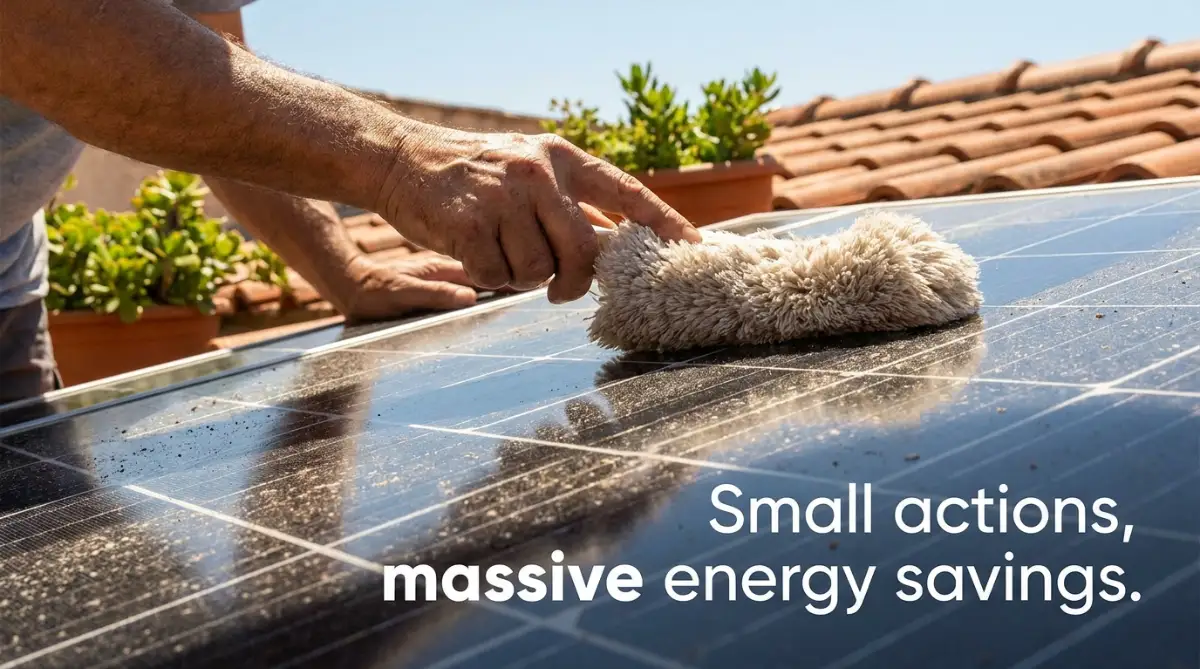
Most people think a heavy rainstorm is enough to keep their rooftop power plant sparkling clean. That is one of the biggest myths in the renewable energy world. Rain rarely washes away the sticky grime, pollen, and industrial smog that bakes onto the glass surfaces under the hot sun.
Think of it like the windshield of your car after a long road trip. A quick splash of water might remove loose dirt, but the stubborn bugs and sticky tree sap remain firmly attached. When this thin layer of grime builds up on your roof, it acts like a pair of dark sunglasses blocking the sun.
Dust and debris can slash your daily energy production by a massive margin. Even worse, if a specific section of a panel remains constantly dirty, the system has to work twice as hard to push electricity through that blocked area. This creates extreme heat spots that can permanently damage the sensitive cells inside.
Practical Action Steps to Rescue Your Investment
You do not need an engineering degree to keep your system running like a well-oiled machine. By taking a few simple, intentional steps, you can easily double the active life of your setup. Let's break down exactly what you need to do to protect your investment and keep your home powered.
The "Morning Dew" Cleaning Technique
Washing your panels at the wrong time of day can actually shatter the protective glass. Spraying freezing cold water onto a surface that has been baking in the noon sun causes instant thermal shock. Instead, you need to time your cleaning routine perfectly.
The safest and most effective time to clean your system is early in the morning, right after sunrise. The morning dew naturally softens the hardened dirt overnight, making your job incredibly easy. The glass is also cool to the touch, entirely eliminating the risk of accidental cracks.
Use a long-handled soft microfiber brush and regular tap water to gently wipe away the grime. Never use harsh chemical soaps, abrasive sponges, or high-pressure washers, as these will strip away the anti-reflective coating on the glass. A gentle wipe-down every three months is usually all it takes to keep the power flowing.
Mastering the Inverter Airflow Rule
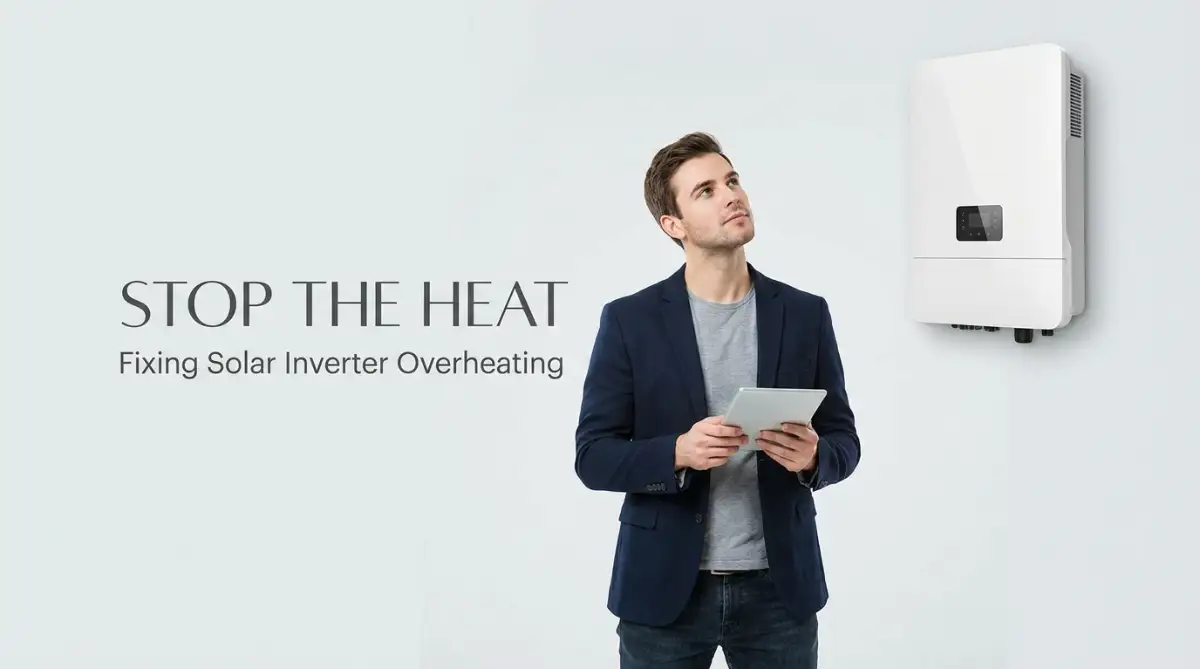
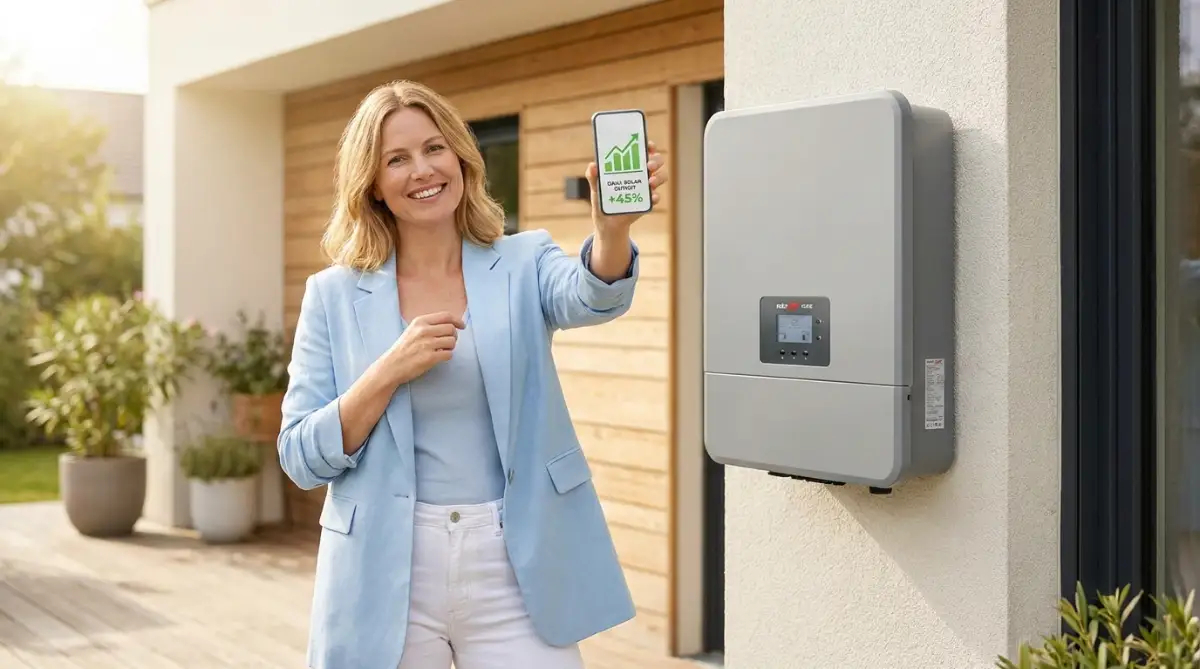
While everyone focuses entirely on the roof, the true brain of your system sits quietly on a wall in your garage or basement. The inverter works tirelessly to convert raw solar power into usable electricity for your television and refrigerator. This heavy conversion process generates an enormous amount of heat.
If your inverter cannot breathe properly, it will automatically throttle its performance to avoid catching fire. This means even if your roof is producing maximum power, a suffocating inverter will actively block that energy from entering your home. Sadly, many homeowners stack cardboard boxes, old bicycles, or garden tools right against this highly sensitive machine.
Always maintain a strict three-foot "clearance zone" around your inverter. Check the cooling fans regularly to ensure they are free of thick dust and spider webs. A quick blast of compressed air once a month can easily prevent a very expensive hardware failure.
I learned this the hard way when my system unexpectedly shut down during a massive summer heatwave. I had completely blocked the inverter’s side vents with a giant pile of moving boxes, nearly cooking the internal circuits alive. Moving those boxes instantly restored my power output, and I felt incredibly silly for missing such an obvious detail.
Watch How Heat Destroys Your Solar Components
If you want to see exactly how poor airflow slowly burns out your expensive equipment, check out this brilliant visual breakdown below. Taking just five minutes to watch this will completely change how you manage your home energy system.
Defeating the "Shade Creep" Phenomenon
When your system was first installed, the technicians perfectly mapped out the sun's path to avoid nearby shadows. However, nature does not stand still. Over the months, that tiny tree sapling in your neighbor's yard has quietly grown into a massive leafy umbrella.
This phenomenon is known as "shade creep," and it is the sneakiest energy thief of all. Even if a single tree branch casts a shadow over just one small corner of your setup, it can drastically pull down the performance of the entire array. Most residential systems are connected in a series, meaning the whole chain is only as strong as its weakest, most shaded link.
Set a reminder on your phone to do a visual shadow inspection twice a year. Stand outside during the peak sunlight hours of noon and look for any new shadows crossing your roof. Trimming back a few overgrown branches in the spring can easily save you hundreds of dollars in lost power generation.
Inspecting the Forgotten Wiring Connections
The exposed cables running across your roof endure brutal weather conditions every single day. They bake in blistering heat, freeze in winter storms, and constantly battle heavy winds. Over time, the heavy-duty zip ties holding these cables together can become brittle and snap off completely.
When cables hang loosely and rub against the sharp metal edges of your mounting racks, the protective insulation slowly wears away. Exposed copper wire on a metal roof is a massive fire hazard waiting to happen. It also causes random system restarts that are incredibly difficult to diagnose.
You do not need to climb onto your roof to check this. Grab a pair of binoculars and scan the spaces right underneath your panels from the ground. If you see any wires dangling downwards or touching the roof shingles, call your installer immediately to have them secured properly.
Myth vs. Reality: The Truth About Solar Maintenance
The Myth: "My mobile app will instantly tell me if my panels need to be physically cleaned."
The Reality: Most basic monitoring apps only show total energy production, not the physical condition of the hardware. A slow 10% drop in power due to dust build-up is often invisible on a basic app unless you are tracking weather patterns daily.
The Myth: "Adding a clear wax to the panels will keep the dust away permanently."
The Reality: Never apply car wax, Rain-X, or any chemical sealants to your system. These products leave a sticky residue that actually traps more dirt and creates a cloudy film, ruining your energy generation.
The Myth: "Solar panels do not need maintenance because they have no moving parts."
The Reality: While the panels themselves don't move, the changing environment around them forces you to be proactive. Ignoring physical inspections allows minor issues to grow into total system failures.
Protecting Against Tiny Invaders
Your roof array creates a perfectly shaded, warm, and protected environment. To local wildlife, it looks like a luxury high-rise apartment built just for them. Pigeons, squirrels, and raccoons absolutely love building their nests underneath these expensive structures.
These animals do not just quietly pay rent. Squirrels are notorious for chewing through expensive electrical wiring to sharpen their teeth. Pigeons leave behind highly acidic droppings that can permanently etch and eat away the glass surface of your system.
The most effective way to prevent this nightmare is by installing a dedicated critter guard. This is a sturdy wire mesh fence that wraps completely around the outer edges of your array. It stops pests from getting underneath while still allowing plenty of cooling airflow to pass through.
The Deep Dive into Your Monitoring App
Checking your mobile app shouldn't just be a stressful habit you do when your utility bill arrives. You need to learn how to actively read the data your system is sending you. Most homeowners only look at the total daily output and completely ignore the deeper, more useful metrics.
If your system uses microinverters, you can actually see the individual performance of every single panel on your roof. If you notice one specific panel consistently producing less power than the others right next to it, you have found an isolated problem. This usually means a bird dropping, a localized shadow, or a failing connection is affecting that exact spot.
By catching these isolated issues early, you prevent the rest of your system from working harder to compensate. Make it a habit to check the individual panel data at least once a month. Think of it as taking the blood pressure of your home energy setup.
Dealing with Seasonal Extremes
Different seasons bring completely different threats to your rooftop investment. In areas that experience heavy winter weather, snow accumulation becomes your biggest enemy. A thick blanket of snow completely stops energy production because no sunlight can reach the active cells.
While it is tempting to climb up and scrape the snow off yourself, using a standard snow shovel will heavily scratch and ruin the panels. If the snow does not naturally slide off within a day or two, you must use a specialized foam-edged roof rake. Gently pulling the snow down without scraping the surface ensures your equipment stays intact while getting you back on the grid quickly.
During the autumn months, falling leaves are the primary threat. Wet, heavy leaves stick to the glass and create massive dead spots. They also gather underneath the mounting brackets, creating damp pockets that encourage roof rot. Simply using a leaf blower from a safe ladder position can clear this debris out before it causes permanent trouble.
Taking ownership of your home energy plant doesn't mean spending every weekend on a ladder. It simply means paying attention to the environment changing around your home. A little bit of proactive observation ensures your system continues to print free electricity for decades to come.
Expert Level Care for Maximum Power Output
Once you get comfortable with the basics, it is time to look at the finer details that separate a well-maintained system from a struggling one. Many people assume that as long as the glass looks mostly clear, maximum power is being generated. But true energy independence requires you to understand how the internal components react to daily wear and tear.
A major secret to keeping your system operating at peak performance is understanding thermal expansion. Everything expands when it gets hot and shrinks when it cools down. Your rooftop setup goes through this exact cycle every single day, expanding under the afternoon sun and shrinking during the chilly night air.
This daily stretching pulls gently on the massive aluminum rails holding everything together. Over time, the heavy-duty bolts anchoring your system to the roof joists can actually loosen up by a fraction of an inch. A loose mounting rack not only creates annoying rattling sounds during heavy winds, but it also causes the electrical grounding wires to lose contact.
If your system loses its proper grounding connection, it becomes incredibly vulnerable to power surges and lightning strikes. A simple visual inspection of your rooftop solar arrays from a sturdy ladder is usually all it takes to spot a loose bracket. You do not need to tighten these yourself, but pointing them out to your annual maintenance technician will save you from a massive repair bill down the road.
I made the silly mistake of ignoring a strange metallic tapping sound coming from my roof during a storm. I thought it was just a loose gutter, but it turned out to be a heavy solar rail that had worked its way completely loose. The wind was violently shaking my expensive panels, and I was incredibly lucky the glass didn’t completely shatter right then and there.
Another highly advanced trick is to monitor the color of your cable insulation. When thick black cables are exposed to constant ultraviolet radiation, the plastic slowly degrades and turns a chalky gray color. This is a massive warning sign that the protective rubber is becoming brittle and is about to crack completely open.
If you notice this chalky gray appearance near the edges of your setup, you must call your installer immediately to have those wire sections sleeved or replaced. Leaving brittle wires exposed on a metal roof is like playing roulette with a house fire. According to recent guidelines from the National Fire Protection Association, preventing wire degradation is the number one safety requirement for residential power systems.
You also need to pay close attention to your battery storage unit if you have one. These giant batteries do not like sudden temperature drops, which can permanently shock their internal chemistry. If your battery bank is kept in an unheated garage, wrapping it with an insulated, fire-proof thermal blanket before the first freeze hits can easily add three years to its lifespan. Protecting your solar inverter during severe weather and cold snaps keeps the whole chain running smoothly.
The Everyday Blunders Ruining Home Solar Systems
Even with the best intentions, I see homeowners making terrible mistakes that actively destroy their expensive equipment. The most common disaster happens when people try to rush the cleaning process using the wrong tools. Grabbing a stiff-bristled push broom to scrub away dried bird droppings feels like an easy solution, but it is a guaranteed way to ruin your investment.
Those stiff plastic bristles leave thousands of microscopic scratches across the anti-reflective coating of the glass. Once this special coating is scratched off, the panel becomes highly reflective, bouncing valuable sunlight right back into the sky instead of absorbing it. You effectively blind your own power plant just by trying to keep it clean.
Another terrifying mistake is turning off the system completely when going away on a long vacation. Many people assume that flipping the main power switch to "OFF" will save wear and tear on the inverter while the house is empty. This is an incredibly dangerous habit that traps all the raw solar energy with nowhere to go.
When the sun hits your roof, electricity is instantly generated. If the main breaker is shut off, that intense electrical pressure builds up inside the rooftop wires, causing the internal safety diodes to overheat and burn out. The silent mistakes draining residential solar panel efficiency often come from trying to micromanage how the electricity flows.
Always leave your system running normally, even if you leave the house for an entire month. The inverter is specifically designed to safely manage excess power by pushing it back into the local grid or safely shutting down the generation process at the panel level.
I also see people completely ignoring the heavy dirt buildup around their exterior electrical conduit pipes. The PVC pipes running down the side of your house protect the main power lines. When wet dirt and mud pack tightly around the base of these pipes, it creates a fast track for moisture to creep directly into your main electrical panel.
Water and heavy electrical currents are a lethal combination. Make sure you clear away any dirt, mulch, or damp leaves piled up around your exterior connection boxes. Keeping this small area dry prevents hidden corrosion that can randomly trip your breakers and leave your house sitting in total darkness.
Your Roadmap to Endless Free Electricity
Taking ownership of your green energy setup does not mean you have to constantly stress over every little detail. It is simply about replacing bad habits with smart, highly intentional routines. Just a few minutes of careful observation each month is all it takes to keep your home safely powered.
You now understand exactly how dangerous it is to let thick dust and shade slowly eat away at your daily power output. You know that timing your cleaning routine perfectly prevents massive thermal shock. Most importantly, you know how to let your sensitive inverter breathe so it doesn't overheat and throttle your energy production.
If you feel overwhelmed, simply start with the easiest task on the list. Go outside tomorrow morning, check the airflow around your inverter, and take a quick look at your roof for any new overhanging branches. Learning to sync your daily routine with your solar panels becomes incredibly easy once you understand what to look for.
I spent months worrying about my dropping energy production, thinking I had thrown my money away on a broken system. The moment I started taking these simple physical maintenance steps seriously, my daily generation numbers shot straight back up to maximum capacity. You have everything you need right now to take complete control of your power plant and enjoy the financial freedom you deserve.
Most Common Questions About Solar System Care
Do I really need to hire a professional to clean my rooftop system?
No, you do not always need a professional if your roof is easily accessible and safe to walk on. Using a long-handled, soft-bristle brush from the ground or a sturdy ladder is perfectly fine for light dust. However, if your roof is dangerously steep or two stories high, paying a pro once a year is entirely worth the safety factor.
How can I tell if a specific panel on my roof is completely broken?
The absolute easiest way is to open your system's mobile monitoring app and check the individual panel layout. If one specific square shows zero energy production while the others around it are generating power normally, that unit has likely failed. You can also look for deep, visible cracks in the glass that look like spiderwebs.
Is it safe to spray my panels with a garden hose during a hot summer day?
Absolutely not! Hitting hot, baked glass with cold water causes instant thermal shock, which will shatter the panel into thousands of tiny pieces. Always wait until early morning when the glass is completely cool to the touch before applying any water.
Will thick pollen from nearby trees permanently damage my equipment?
Pollen will not permanently damage the glass, but a thick, sticky layer of it will severely block sunlight and crash your energy production. Because pollen is highly sticky, heavy rain usually won't wash it away completely. A gentle wipe-down with a microfiber mop and plain water easily removes it.
Why does my solar inverter beep randomly during the hottest part of the afternoon?
Your inverter usually beeps to signal an internal error, most often related to extreme overheating. If the cooling vents are blocked by dust or stored boxes, the machine is warning you that it is too hot to safely convert electricity. Clear a three-foot space around the unit immediately and wipe the fan vents clean.
Disclaimer: The information provided in this article is for educational and informational purposes only and does not constitute professional electrical or engineering advice. Always consult with a certified solar technician or licensed electrician before attempting any physical repairs or modifications to your home energy system. Handling solar equipment involves high voltage and working at heights, which can be extremely dangerous if proper safety protocols are not strictly followed.