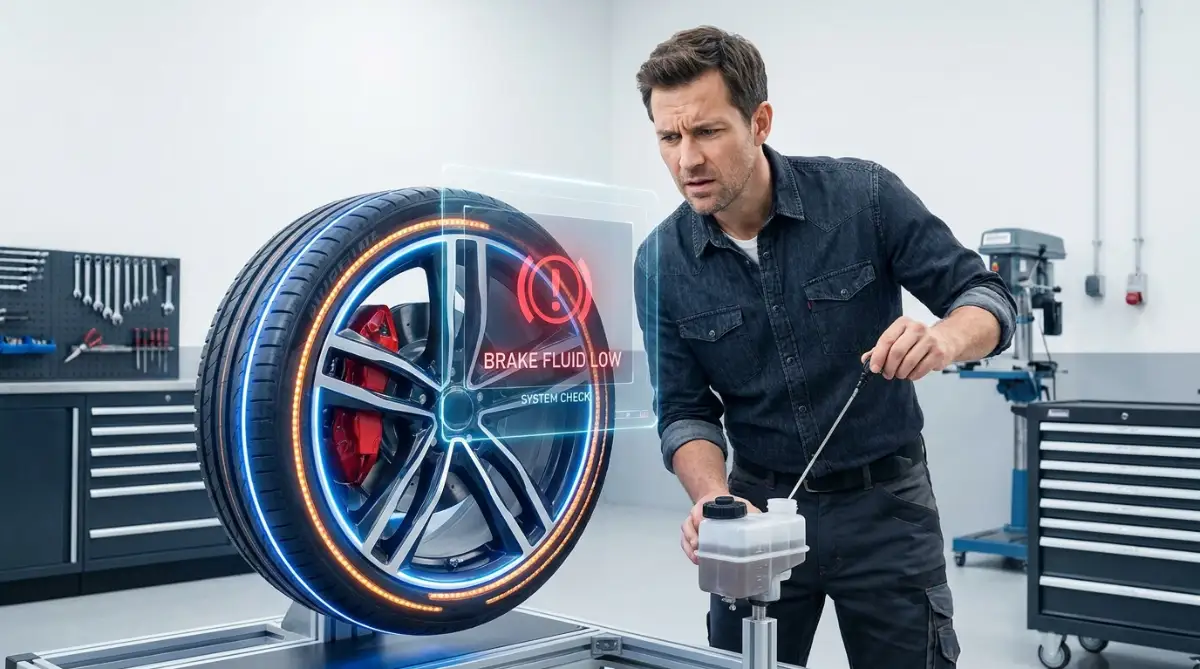
The Terrifying Moment My Hybrid Brakes Suddenly Went Soft
I still remember the exact moment my heart dropped into my stomach on the highway. I was driving my family home during a heavy rainstorm, relying completely on my trusted hybrid vehicle. Traffic suddenly stopped dead ahead of me, and I instantly slammed my foot onto the brake pedal.
Instead of the firm, confident stopping power I was used to, the pedal felt like stepping on a rotten plum. My foot pushed almost entirely to the floorboard before the car finally began to slow down. We stopped mere inches away from the bumper of the truck in front of us, leaving my hands violently shaking on the steering wheel.
I always considered myself a responsible car owner who kept up with oil changes and tire rotations. But I had completely ignored the brake fluid because my mechanic told me the regenerative braking system does most of the heavy lifting. I learned the hard way that this false sense of security is one of the biggest hidden threats to anyone driving a modern hybrid vehicle.
So many hybrid owners are walking around with a ticking time bomb in their driveways right now. We blindly trust that because the electric motor slows the car down, the actual hydraulic brakes are perfectly fine. This misunderstanding creates an incredible amount of stress and anxiety when you finally realize your vehicle might not stop when you need it most.
The mental toll of driving an unsafe car is exhausting for regular people who just want to get to work or drop their kids off at school safely. You start second-guessing every stoplight, leaving massive gaps in traffic, and praying that a sudden emergency does not happen on your watch.
The cost of this hidden problem is not just measured in panic attacks and sweaty palms. Families are getting hit with massive, unexpected repair bills because the internal braking components in these advanced cars are incredibly sensitive to neglect. Let us break down exactly what is happening inside your car and how you can take control of your safety today.
Why Hybrid Braking Systems Hide Danger So Well
To fix this scary problem, we first need to understand why our hybrid cars trick us into a false sense of security. Most regular gasoline cars use their hydraulic brakes every single time you touch the pedal. This constant friction wears down the brake pads quickly, forcing you to visit the mechanic often.
Hybrid and electric vehicles operate on a completely different set of rules. When you press the brake pedal in a hybrid, the car usually reverses its electric motor to slow you down. This amazing technology is called regenerative braking, and it captures energy to recharge your battery while saving your brake pads from wearing out.
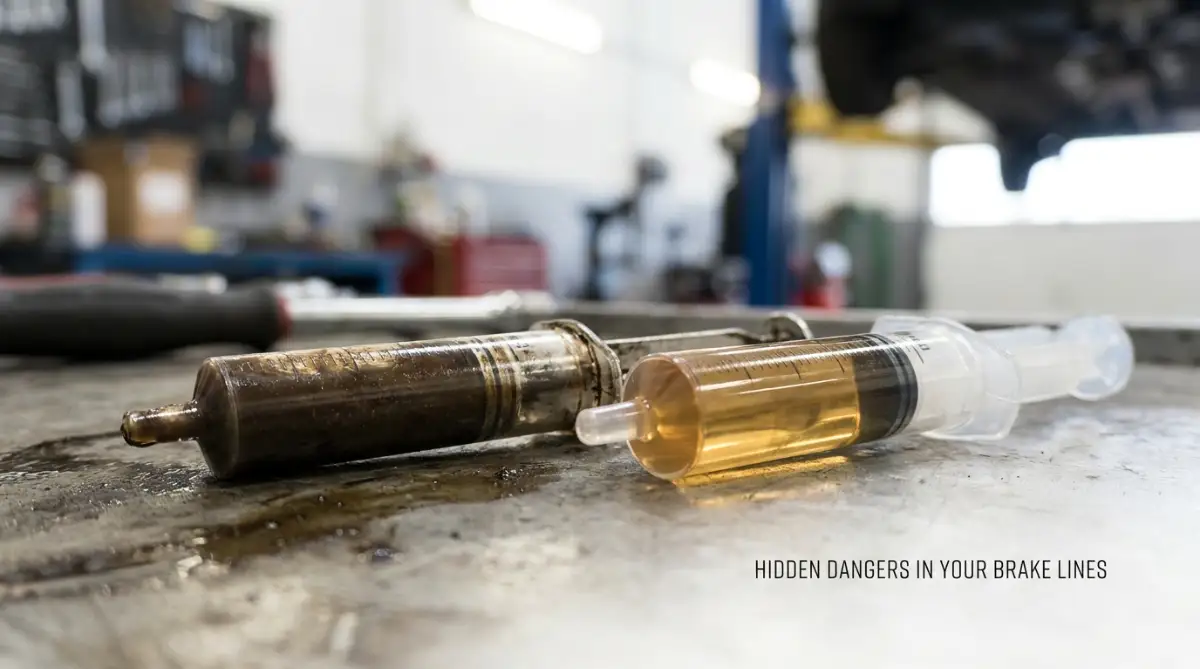
Because hybrid brake pads can easily last for tens of thousands of miles, owners rarely think about servicing their braking system. The massive danger here is that brake fluid ages entirely independently of how often you use your physical brakes. Your brake pads might look brand new, but the fluid sitting in the lines is secretly breaking down and turning toxic.
Pro Tip: I completely ruined a very expensive hybrid brake actuator because I only looked at the color of my brake fluid instead of testing it. I highly recommend buying a cheap electronic brake fluid tester pen online; it takes two seconds to dip it into the reservoir, and it will tell you exactly how much hidden water is destroying your system from the inside out.
Watch this incredibly helpful breakdown on how hybrid brakes actually work and why they fail without warning.
The Sponge Effect: How Moisture Destroys Your Stopping Power
You might be wondering how liquid inside a sealed tube can possibly go bad if you are not using it. The answer lies in the chemical makeup of brake fluid itself. Modern brake fluid is highly hygroscopic, which is a fancy scientific way of saying it acts exactly like a dry sponge.
From the exact second brake fluid is poured into your car at the factory, it begins pulling moisture right out of the air. Water easily sneaks past the microscopic pores in your rubber brake hoses and slips through the tiny seals in your master cylinder. Over time, your pure brake fluid becomes heavily contaminated with water.
Why is water in your brake lines so incredibly dangerous? Brake fluid is designed to handle extreme heat without boiling, transferring the heavy pressure from your foot directly to the wheels. Water, on the other hand, boils at a very low temperature compared to hydraulic fluid.
When you are forced to slam on your brakes in a real emergency, the sudden friction creates massive amounts of heat. If your fluid is full of water, that extreme heat instantly boils the moisture, turning the water into steam gas. Because gas can be compressed easily, your foot will push the pedal directly to the floor without actually squeezing the brake pads.
Mechanics call this terrifying experience "brake fade," and it is the exact reason I almost crashed on the highway. Your hybrid car might perfectly manage normal stops using the electric motor, but emergency stops rely entirely on that degraded fluid. You are essentially rolling the dice with your safety every time you hit the road with old fluid.
The Financial Nightmare of Rusted Hybrid Actuators
Beyond the obvious physical danger, skipping routine flushes will aggressively attack your bank account. Regular cars have a fairly simple master cylinder to push fluid to the wheels. Hybrid cars require a massive, highly complex computer-controlled hydraulic pump called a brake actuator.
This expensive machine constantly manages the delicate dance between the regenerative braking and the physical hydraulic brakes. Inside this actuator are dozens of tiny, sensitive metal valves and high-pressure sensors. When you allow water to sit inside your brake fluid, that water causes severe internal rust and corrosion.
Once rust begins forming inside a hybrid brake actuator, it is only a matter of time before the tiny valves get stuck. When this happens, your dashboard will light up like a Christmas tree with terrifying warning messages. You will completely lose your power braking assist, making the pedal incredibly hard to push.
Replacing a standard brake master cylinder on an older car might cost a few hundred dollars. Replacing a corroded brake actuator on a modern hybrid can easily cost several thousands of dollars. You are paying a massive penalty simply because you skipped a cheap, routine fluid flush.
Myth vs Reality: Exposing Common Hybrid Maintenance Lies
There is a shocking amount of bad advice floating around the internet regarding electric and hybrid car maintenance. Let us clear up some of the most dangerous myths that mechanics hear every single day.
The Myth: Hybrid cars barely use their physical brakes, so the fluid lasts forever.
The Reality: Brake fluid breaks down chemically over time, regardless of mileage or friction usage. Moisture intrusion happens naturally through humidity in the air, meaning a parked hybrid is just as vulnerable as a daily commuter.
The Myth: You only need to flush the fluid when the brake pedal starts feeling soft.
The Reality: If your brake pedal is already feeling soft, you are actively in extreme danger. By the time symptoms appear, internal corrosion has likely already damaged expensive ABS components.
The Myth: A simple visual check of the fluid reservoir is enough to guarantee safety.
The Reality: Dark fluid is definitely a bad sign, but completely clear fluid can still hold dangerous levels of water. Visual checks are highly deceiving, which is why actual chemical testing is required.
Breaking Down the Chemistry: DOT 3 vs DOT 4 Fluids
To truly understand how to protect your vehicle, you need to know what is actually circulating inside those lines. Most modern vehicles require either DOT 3 or DOT 4 brake fluid. Both of these liquids are glycol-based, giving them their unique moisture-absorbing properties.
DOT 3 fluid is very common but tends to absorb water at a slightly slower rate than DOT 4. However, DOT 3 has a lower starting boiling point, making it slightly more vulnerable during heavy, panic-stop braking situations.
DOT 4 fluid is increasingly popular in modern, heavy hybrid vehicles because it boasts a much higher initial boiling point. The trade-off is that DOT 4 absorbs moisture significantly faster than older fluids. This means that if your car requires DOT 4, skipping your maintenance schedule is even more dangerous.
Why Heavy Hybrids Need Extra Protection
We also need to talk about the physical weight of modern vehicles. The large lithium-ion battery packs hidden underneath the floorboards make hybrid cars significantly heavier than traditional gas-powered cars of the same size.
When you need to bring all that extra weight to a sudden halt, your braking system generates a terrifying amount of kinetic heat. If your hybrid battery is fully charged, the car cannot use regenerative braking to slow you down, because there is no room to store the extra electricity.
In that specific scenario, the car relies 100% on the mechanical friction brakes. A heavier car pushing hard against heavily degraded, water-logged brake fluid is a recipe for absolute disaster. The fluid boils faster, the pressure drops quicker, and your stopping distance increases massively.
Practical Comparison: Traditional Brakes vs. Hybrid Brakes
Looking at this breakdown, you can easily see how hybrid owners get trapped. They enjoy the amazing benefits of long-lasting brake pads but suffer blindly from the hidden dangers of stagnating fluid. The complexity of the system demands respect and proper routine care.
How Copper Contamination Secretly Eats Your Brake Lines
Water is not the only enemy hiding inside your braking system. As the protective anti-corrosion additives in your brake fluid begin to break down over time, a chemical reaction occurs inside the actual brake lines.
The inner lining of the metal tubes holding your fluid contains tiny amounts of copper. As the fluid turns acidic, it literally eats away at this copper lining from the inside out. This copper contamination floats around in the fluid, acting like liquid sandpaper against your sensitive rubber seals.
When mechanics test advanced braking systems, they do not just test for water; they also test for copper parts per million (PPM). If the copper levels are too high, it means the fluid has become highly corrosive.
This acidic fluid will slowly dissolve the internal rubber O-rings inside your master cylinder. Once those seals fail, brake fluid leaks internally. You will press the pedal, and instead of pushing fluid to the wheels, the fluid will just squish backward past the broken seals.
This specific type of failure does not leave a puddle of fluid on your garage floor. The leak happens entirely inside the metal housing, meaning you will have absolutely no warning until you try to stop the car and fail.
The Silent Threat of Stagnation
Another unique problem for electric and hybrid drivers is fluid stagnation. Because the mechanical brakes are used so infrequently during daily city driving, the fluid sitting near the actual wheels barely moves.
In a traditional car, the constant, heavy pumping of the brakes creates a slight mixing effect within the lines. In a hybrid, the fluid resting inside the hot brake calipers just sits there, cooking in its own moisture day after day.
This localized degradation means that the fluid at the bottom of your system might be completely ruined, while the fluid sitting safely in the plastic reservoir under the hood still looks perfectly fine. You cannot trust your eyes when dealing with advanced automotive chemistry.
You must treat your hybrid braking system as an interconnected safety net. One weak link at the bottom of the chain will completely destroy your ability to protect yourself on the road. Taking a proactive approach to fluid flushing is the single greatest investment you can make in your daily safety.
By understanding the deeply hidden chemical threats inside your vehicle, you instantly become a more empowered, confident driver. You no longer have to rely on blind luck or the confusing advice of service advisors. You know exactly how moisture, heat, and rust are attacking your car, and you know exactly why you can never ignore it again.
Master Your Hybrid's Maintenance: Insider Secrets Mechanics Rarely Share
Taking control of your hybrid vehicle's safety does not require an engineering degree or a garage full of expensive tools. You simply need a shift in mindset and a few insider tricks that most dealerships will never openly tell you. I want to share the exact strategies I use to keep my family safe without spending a fortune at the repair shop.
First, you must understand that the service schedule in your owner's manual is a baseline, not an absolute guarantee. Many manufacturers suggest flushing the braking system every 30,000 miles or every three years. However, if you live in an extremely humid area or near the coast, your fluid is absorbing water much faster than someone living in a dry desert environment.
You need to become your own biggest advocate. I highly recommend picking up an electronic brake fluid tester pen. You can easily find these online for less than the cost of a fast-food lunch. This tiny tool features two small metal prongs that you dip directly into the plastic fluid reservoir under your hood.
Within seconds, the pen sends a tiny electrical current through the liquid to measure the exact water content. A green light means you are perfectly safe, while a red light means you have dangerously high moisture levels. This takes the guesswork completely out of the equation and prevents mechanics from upselling you on a flush you might not actually need.
Speaking of mechanics, you must be extremely picky about who touches your advanced vehicle. Traditional lube shops are great for standard oil changes, but hybrid braking systems are incredibly complex. They require special electronic scan tools to properly bleed the air and old fluid out of the ABS actuator.
Always ask a new repair shop if they have specific training and the exact software required to bleed the regenerative braking system on your specific car brand. If they look confused or tell you it is exactly the same as a regular gas car, grab your keys and leave immediately. You are heavily relying on the secret power of regenerative braking to slow down, and messing up the hydraulic side can permanently damage the electric side.
The Temperature Swing Test
One of the best ways to monitor your system at home is paying attention to how your pedal feels during extreme weather changes. Water inside your brake lines reacts violently to temperature shifts. In the freezing cold of winter, heavy water contamination makes the fluid extremely thick and sluggish.
If you notice your brake pedal feels incredibly stiff or slow to return on a freezing morning, that is a massive red flag. The moisture is literally turning into a slushy texture inside your delicate ABS valves. This cold-weather stress is just as damaging to your vehicle as why EV range drops in winter.
Conversely, during the blazing heat of summer, that same water contamination will boil much faster during heavy traffic. If your pedal feels squishy on a hot afternoon but normal in the morning, you are experiencing early-stage fluid boiling. Never ignore these subtle warnings.
To ensure maximum safety, trusted organizations like the National Highway Traffic Safety Administration (NHTSA) constantly monitor vehicle crash data, proving that poorly maintained braking components are a leading cause of rear-end collisions. Your daily observation is the first line of defense against becoming a scary statistic.
The Most Expensive Braking Mistakes You Can Make Right Now
When people try to save a little bit of time or money, they often make disastrous choices regarding their cars. I have seen friends absolutely ruin their sophisticated electric vehicles simply because they followed outdated advice passed down from their grandparents.
The single most dangerous mistake you can make is "topping off" your brake fluid. As your physical brake pads wear down over thousands of miles, the fluid level in the reservoir naturally drops to compensate for the thinner pads. This slight drop is completely normal and expected.
When you blindly pour fresh fluid into the reservoir to bring it back up to the "MAX" line, you are creating a massive headache for the future. Once you finally get new brake pads installed, the mechanic will compress the brake calipers, pushing all that extra fluid back up into the reservoir. The tank will instantly overflow, spilling highly corrosive chemical fluid all over your expensive engine wiring and hybrid components.
Even worse, opening the cap just to add a tiny splash of fluid exposes the entire system to fresh humidity from the outside air. You are essentially inviting water straight into the heart of the machine. The Society of Automotive Engineers (SAE) has published extensive chemical research showing that even brief exposure to humid air drastically degrades glycol-based hydraulic liquids.
Ignoring the Dashboard Warning Lights
Another terrifying pitfall is ignoring the dashboard warning lights because the car "still feels fine." Modern cars are incredibly smart. Your dashboard might flash an ABS, Traction Control, or Brake warning light long before you actually feel a problem in the pedal.
Because the electric motor does so much work slowing you down, you might drive for weeks without realizing your hydraulic backup system is completely offline. I know a guy who ignored a yellow brake warning light for two months because he thought it was just a faulty sensor.
When a dog ran out into the street, he slammed the brakes, and the pedal went straight to the floor. The internal ABS actuator had completely rusted shut from old fluid, and the car's computer was desperately trying to warn him. That single moment of negligence resulted in a massive accident and thousands of dollars in repairs.
Unexpected mechanical bills can easily destroy your personal budget. Getting hit with a massive dealership invoice for a rusted hybrid actuator is exactly why so many families find themselves exploring options for consolidating high-interest debt. Preventative maintenance is always cheaper than replacing destroyed parts.
The Cheap Fluid Trap
Please, whatever you do, never buy cheap, off-brand brake fluid from a discount store. Advanced heavy vehicles require premium, name-brand DOT 3 or DOT 4 liquids that have high boiling points. Buying a two-dollar bottle from a dusty shelf is a guaranteed way to introduce pre-contaminated fluid into your pristine car.
Once a bottle of brake fluid is opened, its protective seal is broken. If you have an old, half-used bottle of fluid sitting on your garage shelf from a project you did three years ago, throw it in the trash right now. That liquid has been quietly pulling moisture from your garage air for years and is basically toxic waste for your hybrid system.
Protecting your wallet requires smart, consistent daily choices. Making sure you use factory-recommended parts is one of those everyday habits that will secretly grow your bank account by keeping your car out of the expensive repair bay.
Your Personal Action Plan for Unbreakable Safety
We have covered some heavy, intimidating mechanics today, but I want you to feel completely empowered and relaxed moving forward. You are now equipped with the exact knowledge that separates a vulnerable driver from a highly responsible, safe vehicle owner.
You no longer have to sit in a dealership waiting room wondering if the service advisor is telling you the truth. You understand the hidden chemistry of water contamination, the heavy weight of battery packs, and the delicate electronic valves sitting inside your brake lines.
Your immediate action plan is simple. Tomorrow morning, before you start your car, pop the hood and visually locate the brake fluid reservoir. If you have never had the system flushed and you have owned the car for more than three years, pick up your phone and schedule an appointment with a certified hybrid specialist.
If you want to be extra cautious, order a fluid testing pen online tonight. Start checking your fluid every time you get your tires rotated or your oil changed. Make this small inspection a completely normal part of your seasonal routine, just like checking your tire pressure before a long road trip.
Many people worry about the environmental impact of maintaining these heavy machines. They wonder if the massive scale of EV manufacturing is destroying the planet. While big industries figure out global supply chains, your only job is keeping your specific vehicle running as efficiently and safely as possible. Regular maintenance ensures your car stays out of the junkyard and operates exactly as the engineers intended.
Proper maintenance also protects your expensive battery pack. Dragging or rusted brake calipers force your electric motor to work twice as hard, draining your range quickly. Keeping your brakes clean and flushed is a great strategy for stopping EV battery drain during your daily commute.
I truly believe that understanding your car makes driving an absolute joy instead of a stressful chore. When I finally got my fluid completely flushed and the air bled properly, the brake pedal felt incredibly firm, smooth, and perfectly responsive. The anxiety I carried for months completely vanished the very next time I hit the highway in the rain.
Take this knowledge, protect your family, and enjoy the smooth, quiet ride of your amazing hybrid vehicle. You have completely got this!
Common Questions About Hybrid Brake Maintenance
Can I flush the brake fluid on my hybrid car by myself at home?
Unless you are a highly experienced mechanic with an advanced diagnostic computer, you should never attempt this at home. Modern regenerative systems require specific electronic scan tools to safely open the internal ABS valves and bleed out the trapped air. Trying to pump the pedal manually like an old gas car can severely damage the actuator and trigger permanent dashboard warning lights.
Does the regenerative braking system have its own separate fluid?
No, the regenerative braking system relies heavily on the car's electric motor to slow you down, not fluid. However, the mechanical hydraulic system (which uses the fluid) is permanently linked to the car's computer. The computer constantly balances the electric motor and the physical brake pads, meaning they both must work together flawlessly to stop safely.
Why does my hybrid brake pedal make a strange buzzing noise when I open the car door?
That buzzing sound is completely normal and is actually a great sign. It is the electronic hydraulic brake pump building up internal pressure before you even turn the key. The car is automatically prepping the braking system for you, which is why keeping the fluid inside that pump clean and water-free is incredibly important.
Will ignoring a brake flush completely void my car's warranty?
Yes, it certainly can. If the expensive ABS actuator or master cylinder fails and the dealership discovers severely contaminated, black brake fluid in the lines, they can easily deny your warranty claim. Manufacturers expect owners to follow routine maintenance schedules, and skipping flushes shifts the repair costs entirely onto your shoulders.
How do I know if my local repair shop is actually qualified to service my car?
Always ask the service manager directly if their technicians are specifically certified for high-voltage hybrid systems. You should also ask if they own the factory-level bidirectional scan tool required to electronically bleed your specific make and model. A trustworthy shop will proudly confirm this, while a shady shop will try to change the subject.
Disclaimer: The information provided in this article is for educational and informational purposes only and does not constitute professional automotive repair advice. Vehicle maintenance requirements vary heavily by make, model, and driving conditions. Always consult your official owner's manual and seek the guidance of a certified, licensed automotive technician before attempting any repairs or making decisions regarding your vehicle's safety systems.